


Introduction
In recent years, the scale and frequency of natural disasters have risen sharply as the global climate crisis accelerates. Since 2020, record-breaking rainfall, heatwaves, and megafires have occurred worldwide, signaling that climate change is no longer an exceptional event but an everyday risk. In 2021, catastrophic urban flooding in Germany and Belgium, where a month’s worth of rain fell in days, caused hundreds of casualties. Earthquakes also remain a significant global threat, as evidenced by the 2023 Türkiye–Syria earthquake, which claimed over 50,000 lives, and major seismic events in Japan’s Ishikawa Prefecture in 2024 and Morocco in 2023, highlighting persistent vulnerabilities in disaster response systems and infrastructure. In the Pacific and Indian Ocean regions, increasingly intense typhoons and cyclones continue to destabilize already vulnerable communities in Southeast and South Asia. South Korea has similarly experienced escalating climate impacts. In spring 2025, large-scale wildfires affected coastal Gangwon Province and northern Gyeongsangbuk-do, spreading rapidly due to severe drought and strong winds. Thousands of residents were evacuated, and power and transport systems were temporarily disrupted.
Such hazardous events and disasters do not merely constitute episodic climatic anomalies or inevitable acts of nature, but generate cascading impacts, such as disruptions to global supply chains, energy insecurity, and the displacement of communities that expose the inherent fragility of human acts and institutional systems. The drivers and associated phenomena of the climate crisis, thus not only raise awareness of significant environmental challenges in the future, but also underscore that these are long-term, persistent issues requiring collective mitigation through human understanding and institutional responses [1,2].
Cultivating ecological citizenship and developing hazard literacy have become essential priorities in school education, with a particularly significant role and responsibility placed on social studies. This shift reflects the expanding scope of climate crisis and ecological issues, previously regarded as primary concerns of science or environmental education, into the domain of human agency, social responsibility, and citizenship education. In alignment with this shift, the most recent revision of South Korea’s national curriculum has amplified the call for education for ecological transition [3], and social studies has actively sought to incorporate these priorities [4], demonstrating a broader effort to embed ecological perspectives and civic engagement within its curricular framework [5,6].
In Korean social studies education research, climate crisis and disaster-related issues have received relatively limited attention, particularly within and from the domains of citizenship education. While these topics have occasionally appeared in broader environmental or curricular discussions, systematic inquiry into how they are conceptualized in relation to civic agency, citizenship, and pedagogical implementation remains underdeveloped. Consequently, little is known about what has been studied, to what extent, and in what ways within this specific educational framework. Given the escalating impacts of climate change and associated disasters, these topics have gained increasing significance for research, practice, and policy within social studies. Accordingly, this study seeks to examine the themes and associated discourses that have emerged in the field over the past 15 years. A total of 39 scholarly articles that included “climate crisis,” “hazard,” and “disaster” as concepts were collected from major peer-reviewed journals in the fields of social science education, history education, and geography education, and served as the sources of analysis. Adopting latent Dirichlet allocation (LDA) topic modeling and Semantic Network Analysis (SNA), this study identified structural patterns and discursive characteristics regarding the topics in the scholarship. The results of the study provide insights for curriculum development, instruction, and policy relevant to ecological citizenship education within and beyond social studies.
Climate Crisis, Hazards, Disasters, and Ecological Citizenship in Social Studies Education
The United Nations Office for Disaster Risk Reduction defines disasters as “events that seriously disrupt the functioning of a community or society and cause significant human, material, economic, or environmental losses and impacts” [7]. Disasters have long been perceived as unforeseeable events stemming from natural forces or accidental circumstances [8]. However, in the context of accelerating climate change, rapid urbanization, and growing socio-economic inequality, disasters are being reconceptualized as sociocultural phenomena that cannot be explained solely through natural causes. From this perspective, the concept of disaster extends beyond natural hazards to encompass ‘social catastrophes’ induced by human agency and systemic fragility, including war and violent conflict, which result in the ultimate disruption of societal functions. The greater vulnerability of certain regions and populations to these multifaceted disasters, the absence of institutional and welfare systems capable of ensuring effective prevention and response, and the emergence of international refugees resulting from such catastrophic events have compelled both local and global communities to consider preventive measures and problem-solving strategies at social, institutional, and policy levels.
The urgency and necessity of ecological education beyond safety knowledge have evolved to emphasize critical thinking, problem-solving, civic responsibilities, and disaster response capacity [1]. Emerging within this shift is the concept of hazard literacy, defined as “knowledge and skills across diverse disciplines combined with awareness of how values, culture, and politics influence risk assessment and management” [2]. This perspective underscores the need to understand disasters not only as technical realities but as socially constructed events requiring integrated, ethical, and reflexive competencies.
Hazard literacy ultimately converges toward ecological citizenship, which may be conceptualized as the expanded horizon and normative orientation of citizenship education within social studies. Ecological citizenship extends traditional democratic citizenship by incorporating an ecological perspective that foregrounds interdependence among humans and nature, present and future generations, and local and global communities. It situates citizenship not merely within institutional or territorial boundaries, but within relational networks shaped by environmental, social, and ethical responsibilities [9–12]. At the normative level, ecological citizenship redefines civic virtue through the principles of environmental justice, care, compassion, and commitment to the common good. It expands the scope of moral responsibility beyond human communities to encompass non-human species and future generations, thereby challenging anthropocentric and present-oriented frameworks of citizenship [9,10]. At the cognitive level, it requires learners to comprehend the structural interconnections among social, economic, and political systems and environmental crises. Such understanding is grounded in ecological knowledge and informed by a relational and non-territorial perspective that recognizes the transboundary nature of risk and vulnerability [10,11]. At the practical level, ecological citizenship entails the capacity and willingness to engage in both personal and collective transformation. Through critical inquiry, reflective judgment, communicative engagement, and social participation, learners are encouraged to pursue sustainable practices and institutional change grounded in solidarity and shared responsibility [11,12]. In this sense, literacy in the age of climate crisis and complex disasters must be reconceptualized beyond the acquisition of factual knowledge or technical competence. It requires the integrated cultivation of normative commitment, structural understanding, and participatory agency that together constitute ecological citizenship as a transformative educational aim [9].
Social studies can serve as a central arena for the implementation of ecological citizenship. Given the profound political, economic, social, and cultural impacts that the climate crisis and natural disasters exert on human societies and the global community, the distinctive role of social studies education lies in cultivating ecological citizenship and enabling learners to analyze their structural causes while developing active and responsible civic perspectives [13]. The subject areas within social studies—social science education, geography education, and history education—independently and collectively offer substantial potential and strong interdisciplinary interconnectedness for engaging with the climate crisis and hazard literacy.
Discussions of natural hazards and disaster preparedness in the Korean social studies curriculum are traced back to the National Curriculum Guidelines period (1945–1954) during and after the Korean War, where early content emphasized practical ecological stewardship such as reforestation and water conservation. The term natural disasterfirst appeared explicitly in the 3rd National Curriculum (1973–1981), and environmental pollution and safety education gained attention through the 5th curriculum revision. Although hazards and disaster preparedness were addressed through community-based learning approaches in the 6th and 7th curriculum periods, relevant content was considerably reduced in the 2007 and 2009 revisions. The 2022 revised curriculum marked a turning point by acknowledging the COVID-19 pandemic, climate crises, and ecological transitions as key societal shifts requiring responsible social and educational response. As a result, social studies in the most recent version of the national curriculum incorporates themes of community, peace, human rights, cultural diversity, climate crisis response, sustainability, and ecological sensitivity, indicating a paradigm shift toward positioning disaster and climate education as an essential dimension of citizenship education rather than a peripheral topic [13,14].
Korean scholarship in social studies education has called for a shift in disaster and climate education, from knowledge transmission toward critical thinking. Disaster education should enable students to understand causal relationships and scale, connect hazards to underlying social structures, and move beyond government-centered responses to cultivate agency and accountability among learners. Recent scholarship expands this perspective by emphasizing the need to address socially constructed disasters rooted in inequality and institutional failure [15], to incorporate historical memory, loss, and reflective engagement into disaster education [16], and to highlight how climate change intersects with human rights and equity, asserting that children and youth—who directly experience climate-related harm—must be empowered to recognize and claim their rights [13]. These discussions align with the Anthropocene perspective, which frames climate change not as a natural cyclical process but as a human-driven geological epoch, compelling critical reflection on responsibility, power, and justice [5,17].
In light of these evolving discourses, ecological citizenship emerges as a comprehensive framework integrating the cognitive, normative, and practical dimensions of disaster and climate education. However, existing scholarship in social studies education tended to emphasize conceptual and normative discussions, with limited attention to cross-disciplinary structural patterns across subfields. Therefore, this study seeks to empirically analyze how discourses on the climate crisis, hazards, and disasters are structured within and across the sub-disciplines of social studies, and to identify the convergences, divergences, and epistemological orientations that shape how social science, geography, and history education construct and prioritize these themes.
Methods
To analyze how the scholarship of Korean social studies education has addressed the concepts of climate crisis, hazard, and disaster, this study first selected nine major journals across three subject areas of social studies education – social science, history, and geography – choosing three from each area (Table 1). All nine journals are indexed in the Korea Citation Index (KCI) and exhibit impact scores ranging from 1.37 to 2.31, indicating their status as leading journals within the field.
The search terms “climate crisis,” “hazard,” and “disaster” were selected to reflect the conceptual framework of ecological citizenship guiding this study. “Climate crisis” captures the structural framing of climate change as a systemic condition shaped by human activity [5,13]. “Hazard” corresponds to the hazard literacy discourse, which situates risk within broader social and political contexts [1,2]. “Disaster” refers to concrete crisis events and the institutional and civic responses they involve [7,8]. Collectively, these terms functioned as a conceptual search framework to identify scholarship addressing the structural, cognitive, and practical dimensions of climate- and disaster-related issues within social studies education.
The selection of the articles proceeded through a three-stage screening process. First, using the search functions provided by the Research Information Sharing Service and the KCI, the researchers searched articles published in the selected journals using the terms climate crisis, hazard, and disaster. This initial search yielded a total of 342 articles published between 2002 and October 31, 2025. Second, the titles, keywords, and abstracts of all initially screened articles were manually reviewed, and only those studies closely related to social studies education, taking into account their educational content and implications, were specifically selected; technical studies focusing primarily on disaster phenomena, such as GIS-based disaster systems, climate index modeling, and hazard mapping without clear educational orientations were excluded from the analysis. Third, through this screening, 39 articles were identified as the final dataset for analysis, consisting of 13 in social science education, 10 in history education, 16 in geography education.
The relatively limited number of articles within each sub-discipline reflects the current scholarly context in which climate crisis and disaster discourses are gradually expanding as a critical agenda within social studies education. Accordingly, the findings of this study can be interpreted as exploratory insights into the prevailing discursive tendencies in Korean social studies research.
This study examined publication year, research methods, and research participants as the primary elements of the trend analysis. Publication year was categorized based on the year indicated in each article. Research methods were classified into theoretical/literature studies, quantitative studies, qualitative studies, and mixed-methods studies. Research participants were coded into seven categories: elementary school students, middle school students, high school students, university students, pre-service teachers, in-service teachers, and unspecified. When a single study involved multiple participant groups, each group was treated as an independent case for analysis.
To identify major themes across the collected literature, this study employed LDA topic modeling using R 4.5.1 and RStudio 2025.05.1+513. Abstract texts from the selected journal articles were preprocessed and transformed into a document–term matrix. LDA is a probabilistic topic modeling technique that infers latent thematic structures by estimating word distribution across documents [18], and is widely used to uncover hidden patterns in large text corpora. The optimal number of topics (k) for each sub-discipline was initially examined through hyperparameter tuning and model-fit diagnostics [19]. In topic modeling, increasing the number of topics may lead to excessive fragmentation or thematic overlap; in the present study, where each sub-discipline included approximately 10 to 16 articles, setting more than three topics resulted in a noticeable decline in semantic distinctiveness. Accordingly, beyond relying solely on statistical indicators, this study conducted qualitative reviews of high-gamma (γ) documents for each topic to assess interpretability and coherence [20]. Based on this combined evaluation, a two-topic structure was determined to most clearly and cohesively represent the discursive landscape of each sub-discipline.
To complement the LDA results, a SNA was conducted to examine the structural relationships among key terms. Abstract texts were segmented into sentences, nouns were extracted using KoNLP, and stopwords were removed. Pairwise word co-occurrence within each sentence was then calculated, and word pairs with a frequency of three or more (n ≥ 3) were used to construct the network [21]. Degree centrality and eigenvector centrality were computed to identify influential terms. While degree centrality reflects the number of direct co-occurrences, eigenvector centrality captures the influence of connected nodes and is therefore effective in identifying core semantic concepts [22]. The Louvain algorithm was applied to identify cohesive semantic communities within the network. Although the Louvain algorithm is widely recognized for its effectiveness in optimizing modularity in large-scale networks, it is also useful in small-corpus analyses such as this study, as it enables the categorization of subthemes based on structural cohesion among keywords while minimizing subjective researcher intervention [23]. In particular, the clusters derived from the Louvain algorithm were employed as a triangulation tool to examine whether they exhibited structural coherence with the results of the LDA topic modeling, thereby enhancing the stability and reliability of the analytical findings. Subsequently, representative keywords and centrality patterns within each cluster were examined to interpret the underlying semantic structure. When appropriate, high-gamma documents within the corresponding LDA topics were additionally reviewed to refine and substantiate topic interpretation [24].
While statistical text analysis techniques such as topic modeling generally yield more stable results in larger corpora, the sample size of this study (N = 39) may limit the scope of interpretation. To mitigate potential analytical instability arising from the limited corpus, this study employed both LDA and SNA in parallel. While LDA was used to identify latent thematic structures, SNA examined the relational configuration among key concepts, thereby providing complementary insight into the structural context in which topics are formed. In addition, the optimal number of topics was determined through model-fit diagnostics, and qualitative review of high-gamma (γ) documents was conducted to enhance the interpretive and conceptual validity of the findings [24].
Results
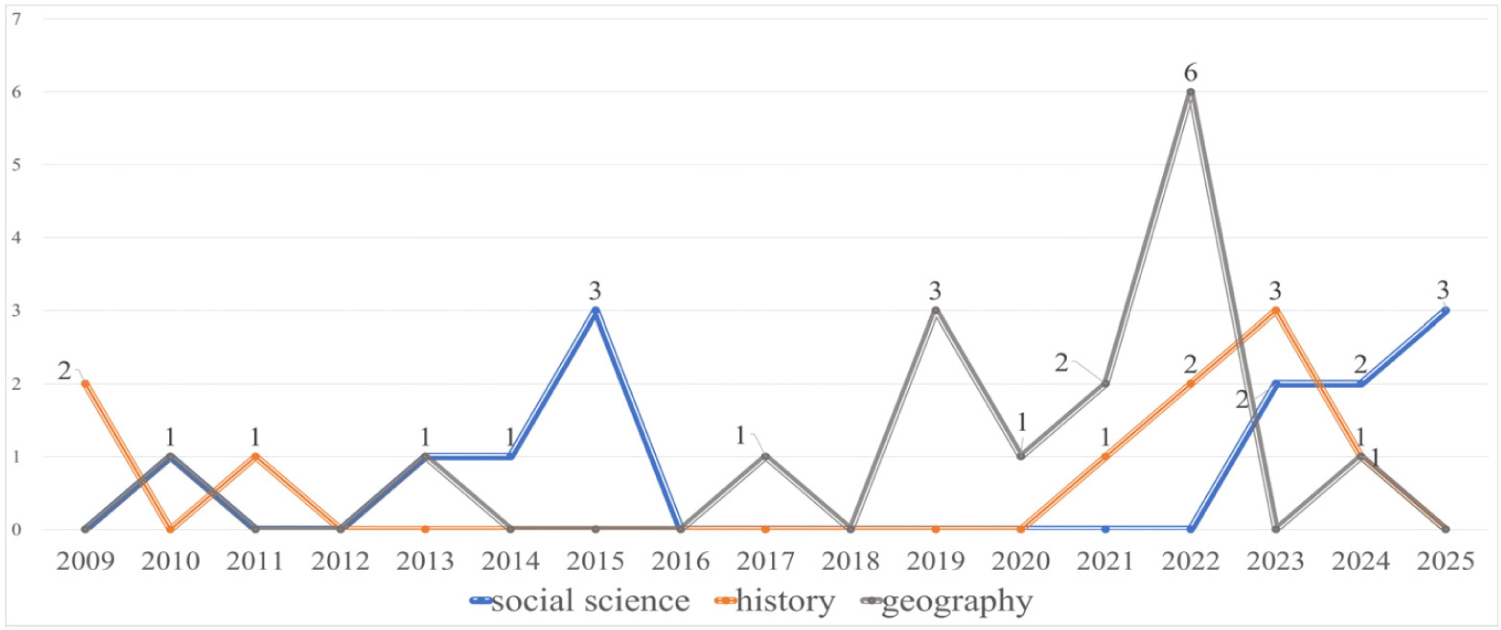
An analysis of the 39 selected studies revealed the following distribution by publication year. The earliest studies appeared in 2009 and 2010, and a small number - typically one or two per year - continued to be published in the years that followed. There has been an increase marked by the publication of three studies in 2019, and a notable surge in related scholarship has been observed since 2022, the year in which the national curriculum was revised and officially announced. Eight research articles were published in 2022 (20.5%), five in 2023 (12.8%), four in 2024 (10.2%), and three in 2025 (7.7%), indicating a steady accumulation in recent years (Table 2).
Regarding research methodology, theoretical discussions and literature reviews constituted the majority, accounting for 34 articles (87.2%). Quantitative studies represented four articles (10.3%), and one study (2.6%) employed a mixed-methods design. No qualitative studies were identified.
In terms of research focus, 26 articles (66.7%) did not specify the backgrounds or contexts relevant to their scholarly, practical, or policy implications. By school level, studies focusing on elementary education were most common (7 articles, 17.9%), followed by those concerning middle school (3 articles, 7.7%) and high school education (2 articles, 5.1%), indicating a decline in related research as the school level increases. No studies were conducted within the context of university-level teacher education, and only one study (2.6%) addressed professional development for in-service teachers.
Overall, these findings suggest that research on climate crises, hazards, and disasters within social studies education has relied primarily on philosophical discourse and exploratory inquiry rather than on empirical investigations with clearly defined research contexts.
An analysis of the publication trends across the three subject areas - social science, history, and geography - reveals distinctive patterns in the emergence of discourse related to climate crisis, disasters, and hazards within the umbrella field of social studies education. The timing and distribution of studies in each field indicate how these themes gradually developed into recognizable areas of inquiry.
Regarding social science education, the first study appeared in 2010, proposing progressive directions for citizenship education in response to energy–climate issues [25]. In 2015, three studies addressed topics such as the Eulchuk-year Great Flood and disaster, safety, and hazard-prevention education in elementary social studies [14,26,27]. However, research did not continue for several years thereafter. Since 2023, publications have increased again, and by 2025, studies began to address diverse topics, including critical reviews of the theme of “development and conservation,” responses to social disasters, and explorations of human rights education for climate change adaptation [6,13,15].
When it comes to history education, the earliest works were published in 2009, examining issues such as disaster management and taxation during the Great Han Empire and the occurrence of flood disasters in historical China [28,29]. In 2011, a study explored Jeju’s Mosulpo region as a Japanese military site through the lens of dark tourism and historical learning [30]. Research increased again in 2022–2023, including studies on disaster education in history, with two and three publications, respectively [16]. However, following a single publication in 2024 that examined premodern war history learning based on Joseon–Jurchen–Manchu relations, no studies were published in 2025, indicating a recent decline [31].
In terms of geography education, research in the field concentrated in specific periods. Initial discussions began in 2010, followed by a surge of studies in 2019 that examined elementary students’ perceptions of natural disasters, Japanese disaster-prevention education, and implications of the Anthropocene [32–34]. Research was most active in 2022, with a series of studies on natural hazards as a theme for geography education, overcoming misconceptions in climate change education, and developing instructional resources for teachers [35–37]. However, no publications appeared in 2023 and 2025, suggesting that the momentum was not sustained.
Taken together, discussions on climate crisis, hazards, and disasters began to emerge across the field of social studies education around 2009–2010 (Fig. 1). However, the absence of sustained research activity in subsequent years implies that these topics did not yet constitute a stable or prominent scholarly discourse within Korean social studies education at that time. A noticeable increase occurred in all three sub-fields around in 2022–2023. This shift appears to correspond with the 2022 revised national curriculum, which explicitly identified the COVID-19 pandemic and accelerating climate and ecological change as key drivers for curricular reform and emphasized the need for educational capacity to respond to such global challenges [3,4]. Accordingly, the post-2022 expansion of research indicates that discourse on hazards, disasters, and climate crisis has begun to take shape as an emerging and meaningful scholarly agenda within Korean social studies education.
To examine how research on the climate crisis, hazards, and disasters is structured across the three disciplinary domains of social science, history, and geography, LDA topic modeling was conducted. By extracting and comparing the major topics and the top ten high-probability keywords associated with each topic, the analysis aimed to identify shared and divergent thematic patterns across subjects and to characterize the distinctive discourse orientations within each domain (Table 3).
In the social science subject area, keywords such as climate, change, response, citizen, and politics showed high beta values, indicating dominant semantic themes. Topic 1 includes studies emphasizing the growing importance of ecological and climate-oriented learning and the restructuring of social science education content to address environmental transformation [13,25] (Table 4). Topic 2 characterizes research that frames hazards, disasters, and social catastrophes within structural and civic contexts, highlighting themes of preparedness, sustainability, political responsibility, and Education for Sustainable Development (ESD) [6,15]. Notably, the presence of terms such as citizen and sustainability indicates a conceptual shift toward understanding climate and disaster not only as environmental events but as matters of civic agency, ethics, justice, and public responsibility.
In history education, keywords included history, narrative, disaster, reflection, and region, suggesting a focus on disaster as a historically embedded human experience. Topic 1 encompasses studies that critically reinterpret historical narratives by foregrounding disaster, human resilience, and reflective inquiry within Anthropocene and peace education framings [5,16] (Table 5). Topic 2 highlights research exploring region-specific hazards, historical disaster responses, and socio-economic impacts of large-scale events such as plagues and major floods [28,29]. Keywords such as narrative, reflection, and humanity demonstrate the disciplinary emphasis on meaning-making, memory, and ethical judgment in understanding societal responses to catastrophic events.
In geography research, keywords such as education, natural disaster, geography, textbook, Earth, and student were central, reflecting an instructional orientation grounded in spatial reasoning, environmental systems, and hazard preparedness. Topic 1 includes studies analyzing curriculum documents and textbooks to evaluate environmental and disaster prevention education frameworks and instructional scaffolding [33,37] (Table 6). Topic 2 addresses the role of geography in supporting inquiry into climate justice, Anthropocene perspectives, and global environmental ethics [34,36]. Terms such as Earth, textbook, and utilization reflect the field’s alignment with systematic content organization, geographic literacy, and applied learning.
SNA was conducted to examine how key concepts co-occur and form structural meaning relationships within the selected corpus. Whereas simple frequency counts reveal how often terms appear, SNA identifies how concepts are relationally connected and positioned within a meaning system [20]. Centrality measures indicate how strongly a term is connected to others in the network; a higher centrality value suggests that the term functions as a semantic hub in the overall discourse [22]. This approach allows analytical insight beyond surface-level keyword occurrence by revealing how climate, environment, and disaster-related concepts are structurally organized within disciplinary discourses. In this study, SNA was applied to the three disciplinary subfields: social science, history, and geography. Its results were compared with the LDA topic modeling outputs to determine how climate crisis and disaster-related discussions are reconstructed within educational meaning systems [24].
The semantic network in the social science education subfield demonstrates an integrated discursive structure centered on the nodes education, society, and climate. These nodes exhibit the highest degree centrality and eigenvector centrality, indicating that climate and disaster discourse in social science education is mediated through the dual axes of educational practice and social structure rather than framed solely as an environmental issue (Fig. 2).
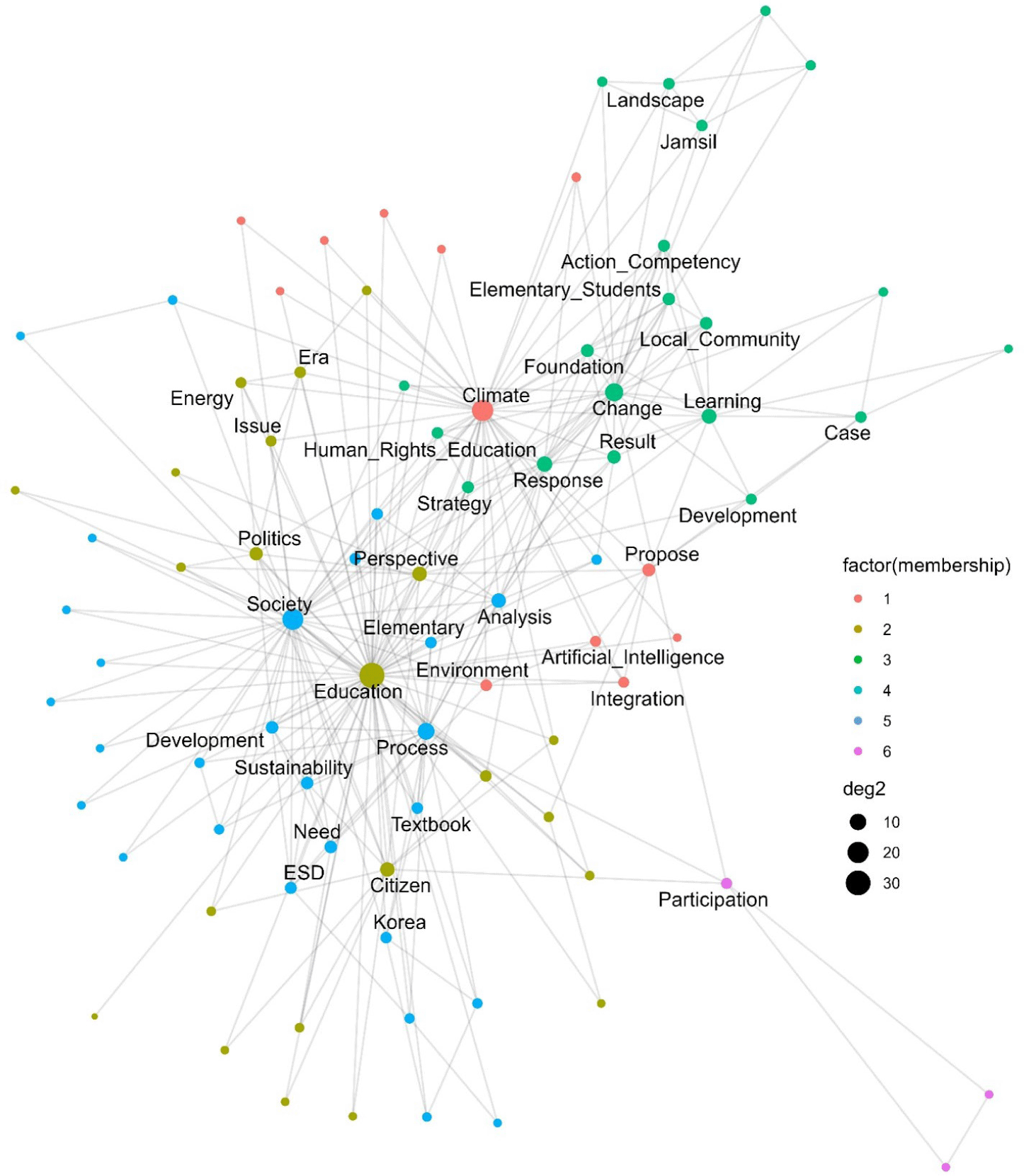
Community detection using the Louvain algorithm identified multiple modular clusters based on edge density. The first cluster is organized around climate, which shows high degree centrality and includes nodes such as propose and integration. This cluster maintains multiple cross-cluster connections with education and society, suggesting that climate discourse occupies a structurally mediating position within the overall network. In the second cluster, education displays the highest overall degree centrality in the network. The close connections among education, citizen, and politics form a discursive domain linking public responsibility and civic education. A third cluster consists of change, response, and learning, forming a practice-oriented semantic domain. Notably, nodes that were not prominent in the LDA results emerge here. The presence of elementary_students and local_community indicates that climate discourse is structured around specific learner groups and local contexts. The inclusion of case-based and contextual references (e.g., human rights education, Jamsil) further suggests an emphasis on situated pedagogical practice. In the fourth cluster, society shows relatively high connectivity and links sustainability, development, and ESD discourse with both educational and climate-related discussions.
When compared with the LDA results, the node response is simultaneously connected to climate, change, and learning, occupying a structural intersection between climate discourse and practice-oriented learning discourse. This relational configuration exhibits conceptual similarity to the thematic coupling identified in LDA Topic 1. Furthermore, the tightly connected structure among society, education, citizen, politics, and sustainability reflects a discursive framing of the climate crisis in terms of civic agency and sustainability, corresponding to the thematic tendency observed in LDA Topic 2.
The semantic network in the history education subfield reveals an integrated discursive structure centered on history and education. These nodes exhibit the highest degree centrality and eigenvector centrality within the overall network (Fig. 3).
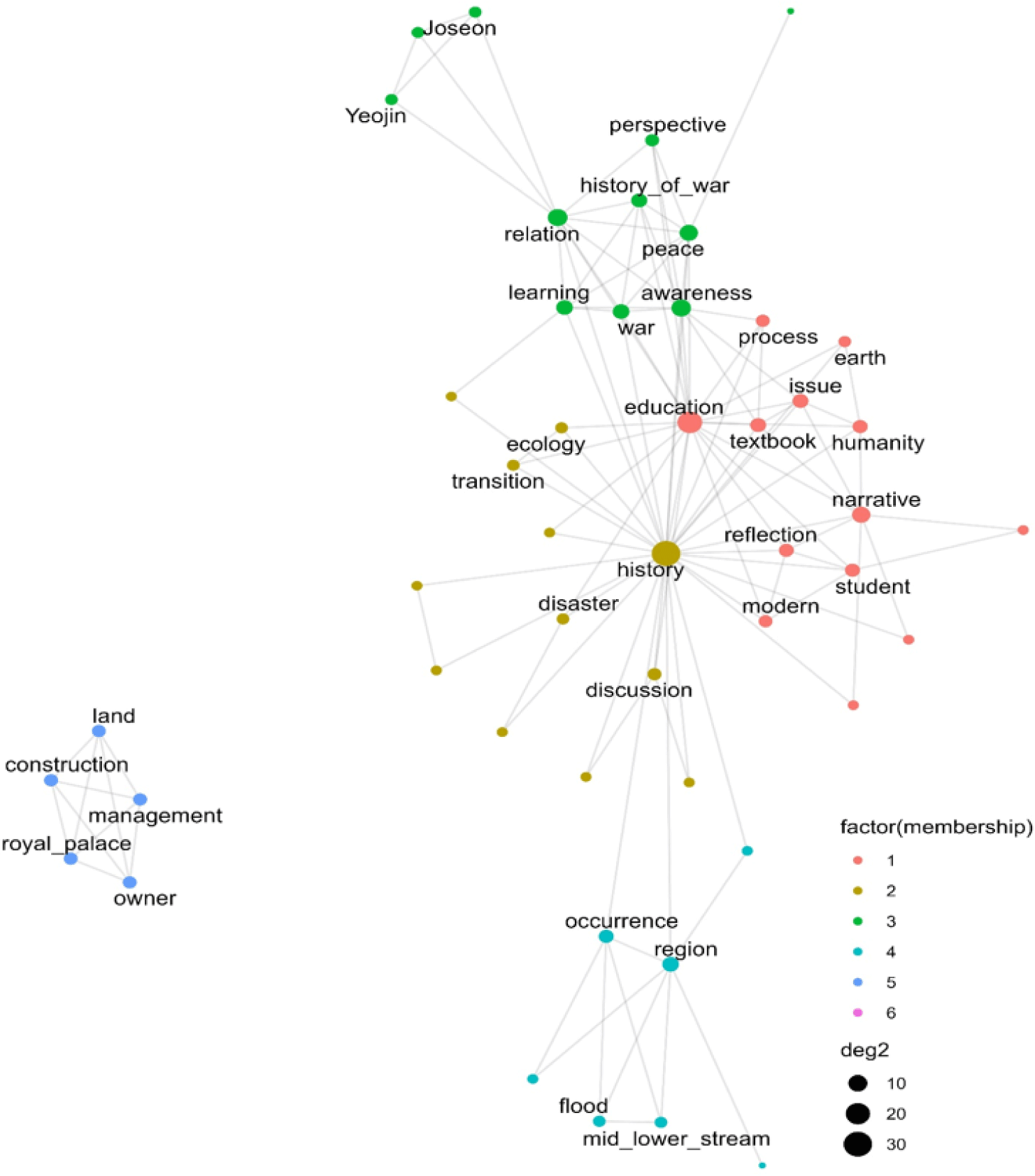
The Louvain algorithm identified several modular communities within the network. The first cluster is organized around education, which exhibits high degree centrality, and includes nodes such as textbook, humanity, narrative, and reflection. This cluster forms a discursive domain in which climate and disaster issues are reconstructively interpreted within historical narratives and textbook contexts. In the second cluster, history shows the highest degree centrality in the entire network. The connections among disaster, discussion, transition, and ecology indicate that disasters are examined within the broader contexts of historical transformation and ecological change. The third cluster includes awareness, war, learning, and peace, forming a value- and perspective-oriented discursive domain centered on war, peace, and historical consciousness. Notably, elements such as Joseon and Yeojin, which did not appear prominently in the LDA analysis, are included in this cluster. This suggests a semantic structure in which specific historical cases are employed to foster educational reflection on issues of war and peace. The fourth cluster consists of occurrence, region, and flood, reflecting an empirical line of inquiry into disaster history, such as flood occurrences in particular regions (e.g., mid_lower_stream). The fifth cluster includes land, construction, management, and royal_palace, representing an independent niche research strand focused on changes in land conditions and spatial management within specific historical contexts.
In relation to the LDA findings, the first cluster centered on historical narrative and reflection, along with the second and fourth clusters related to historical disasters and regional responses, exhibit conceptual differentiation similar to the thematic structures identified through LDA. However, the SNA results provide additional analytical insight by structurally visualizing relational and spatial subdomains—such as the third cluster centered on war, peace, and historical awareness, and the fifth cluster focused on land and management—that were relatively less prominent in the topic modeling results.
In the geography education subfield, education and climate exhibit the highest degree centrality and eigenvector centrality, whilestudent, society, andnatural disaster function as additional hubs within the network (Fig. 4). This pattern indicates that climate and disaster discourse in geography education is structured within an educational framework centered on learners and social dimensions rather than confined to the physical characteristics of natural hazards.
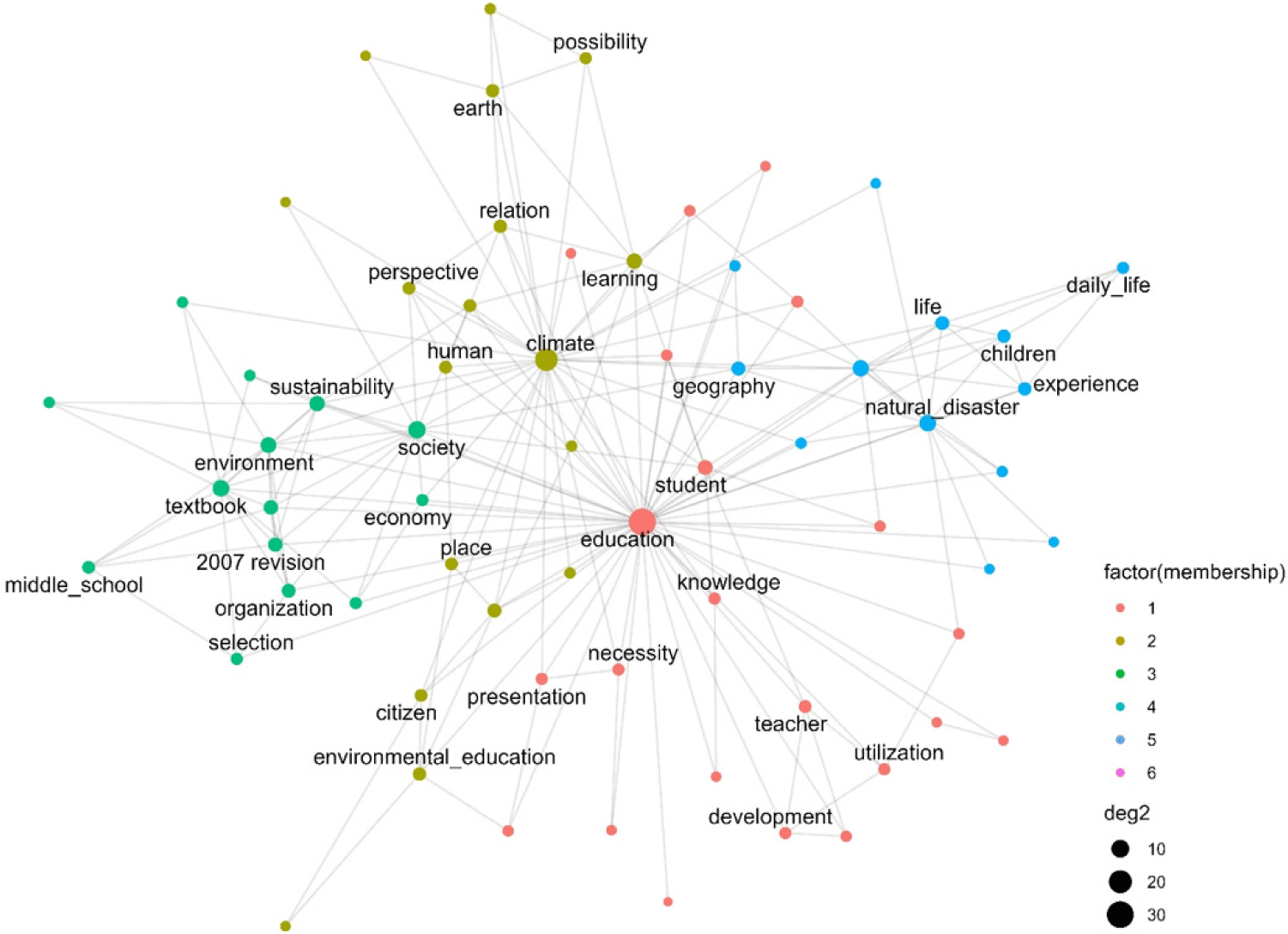
Community detection using the Louvain algorithm identified four modular clusters. The first cluster is organized around education, which shows the highest degree centrality in the network, and includes student, teacher, and knowledge. This cluster forms a pedagogically oriented domain that addresses climate and disaster issues from the perspectives of learners, teachers, and knowledge construction, reflecting a practical concern with classroom implementation. The second cluster is centered on climate and includes human, learning, earth, place, citizen, and environmental education. This cluster represents an integrated discourse linking climate change with human–Earth relationships and place-based perspectives. It reflects an expansion of inquiry toward climate justice and Anthropocene-oriented frameworks that situate climate change within relational and spatial contexts. The third cluster comprises society, economy, sustainability, environment, textbook, 2007 revision, and middle school, indicating a domain focused on curriculum and textbook analysis that explores sustainability within broader socio-economic contexts. This suggests that climate and environmental discourse is institutionally structured at the level of educational policy and curriculum design. The fourth cluster includes natural disaster, geography, life, experience,and children, reflecting a discourse that connects disaster awareness to students’ lived experiences. The close association among children, life, and experience suggests a tendency to frame natural disasters within experiential and everyday learning contexts. These nodes, which were less prominent in the LDA results, highlight distinctive features of geography education, demonstrating how diverse learner groups and classroom voices are organically integrated within the network.
In relation to the LDA findings, themes related to natural hazards, disaster preparedness education, climate justice, and Anthropocene-oriented issues exhibit conceptual differentiation similar to the topic structures identified through LDA. At the same time, SNA more clearly visualizes the relational configuration of the pedagogically oriented domain (Cluster 1) and the integrated human–place–citizenship domain (Cluster 2), thereby revealing conceptual linkages that appeared relatively simplified in the topic modeling results.
Discussion
This study examined 39 research articles in the fields of social studies education including the subject areas of social science, history, and geography education that addressed the concepts of climate crisis, hazards,and disasters. Drawing on LDA topic modeling and SNA, this study explored how these concepts of ecological education have been discussed within Korean social studies education scholarship. The findings provide an integrated understanding of how climate and hazard literacy related topics have been interpreted, framed, and developed across the three subject areas over time. They also provide meaningful implications for future research, practice, and policy in ecological citizenship education.
First, the findings revealed that scholarly discourse on ecological citizenship within social studies education has long been limited, and the observed increase since 2022 appears to be influenced by external factors such as national curriculum reforms and policy changes. The analysis shows that meaningful academic attention across all three subfields began only after 2022–2023, coinciding with the 2022 national curriculum revision, which foregrounded climate and ecological change as key educational priorities. This trend suggests that the emergence of climate and disaster education within social studies is still in its formative stage and has been strongly influenced by policy and curriculum reform. Furthermore, 87.2% of the reviewed studies were literature-based, and 66.7% did not specify their research focus, indicating a significant lack of empirical attention involving classrooms, students, or teachers. The absence of field-based inquiry underscores the limited translation of scholarly discourse into instructional practice.
Second, among the articles published in social studies education journals, a majority of research investigated climate crises, disasters, and hazards as natural phenomena and/or the focus of quantitative analysis, whereas a few provided connections to education and practical implications. A substantial number of GIS-related studies were excluded from the initial pool of 342 articles because the focus of this study was not on the technical analysis of disaster phenomena but on pedagogical engagement for the cultivation of ecological citizenship. Indeed, many of the excluded articles concentrated on the development of GIS-based disaster systems or climate index modeling, emphasizing technical or empirical analysis of disaster phenomena, while offering limited discussion of their connections to citizenship education or curricular contexts. Accordingly, the high rate of exclusion should not be viewed as a methodological limitation but rather as an empirical indication of a disciplinary divide within geography education between technical disaster data and educational practice. This finding suggests an important direction for future research: to explore how the technical capacities of GIS can be translated into instructional models that support the development of ecological citizenship.
Third, climate crisis and hazard education must be extended beyond the elementary level to include secondary schools and teacher education. Research trends showed the highest proportion of studies focused on elementary education (17.9%). The SNA results further indicated clustered emphasis on elementary education in social science education and on children and teacher nodes in geography. These findings reveal an uneven distribution of research across educational levels. With advancement to higher educational levels and increasing specialization of disciplinary content, it becomes essential to enhance the depth of ecological citizenship education within the social studies curriculum and to implement it in a differentiated manner.
Following the preceding discussion, fostering ecological citizenship within social studies education may require an interdisciplinary approach that leverages the strengths of each subject domain. The topic modeling and SNA findings revealed specialized disciplinary orientations: social science education emphasized citizenship, policy, and ESD; history education emphasized narrative, reflection, and human responses; and research on geography education emphasized natural hazards and human–Earth system interdependence. The differences in discourse across subfields identified in this study reflect disciplinary identities, but may also indicate a lack of bridge nodes linking these discourses and a shortage of practice-based empirical research. These differences suggest that climate crisis and disaster education should not be siloed within a single subject but instead designed as a multidisciplinary model integrating civic analysis, historical reasoning, and spatial–environmental understanding such as through project-based learning frameworks.
Finally, social studies education holds significant potential and has a responsibility to cultivate hazard literacy and ecological citizenship by moving beyond procedural safety knowledge toward critical, participatory, and justice-oriented engagement. The strong presence of concepts such as citizenship, politics, narratives, reflection, climate justice, and Anthropocene in the LDA and SNA results indicates an emerging shift toward understanding climate and disaster realities as forms of social catastrophe requiring collective decision-making and civic responsibility. At the same time, integrating these subfield-specific discourses might enable the cultivation of the multidimensional competencies required for ecological citizenship. From a geographical perspective, understanding the interdependence of human–Earth systems and the principles of climate justice provides the cognitive foundation necessary for ecological citizens. From a historical perspective, ethical and critical reflection on experiences and narratives of disaster helps to establish their normative orientation. From a social science perspective, recognizing the climate crisis as a socially constructed catastrophe and participating in policy decision-making processes fosters citizens’ agency at the practical level. A coherent and systematic approach to climate and disaster education in social studies, grounded in the integration of cognitive, normative, and practical domains, may strengthen students’ ecological citizenship and support the development of resilient and sustainability-oriented citizens capable of responding to the challenges of the climate crisis era.


