


Introduction
Pyrimidine nucleotides are required for DNA and RNA synthesis, and their supply is a recognized dependency of proliferating cancer cells [1]. Cellular pyrimidine pools are maintained by three connected routes: de novo synthesis (CAD, DHODH, and UMPS), which builds nucleotides from small precursors; the salvage pathway, in which kinases (UCK1, UCK2, TK1, and DCK) re-phosphorylate preformed nucleosides; and catabolism (including UPP1, CDA, DPYD, and TYMP), which degrades and interconverts pyrimidines [2]. These four enzymes are referred to as the catabolism genes throughout. These same enzymes govern the activity of pyrimidine-analogue chemotherapeutics: 5-fluorouracil, a mainstay of colorectal and other cancers, is activated and degraded through these routes and acts on thymidylate synthase (TYMS) [3].
Inhibitors of de novo synthesis, in particular DHODH inhibitors such as brequinar, are being re-examined as anticancer agents [4,5]. A recurring limitation of such agents is that cells can sustain pyrimidine supply through the salvage pathway, which may blunt de novo blockade and support resistance [6,7]. When de novo synthesis is constrained, tumor cells may rely on salvage kinases that are otherwise dispensable, making these enzymes candidate vulnerabilities. How far this idea is supported by existing large-scale data, and how the catabolism arm relates to it, has not been systematically assessed.
Here we address these questions through analysis of publicly available datasets. We characterize the pyrimidine salvage and catabolism arms in relation to de novo synthesis, 5-fluorouracil response, genetic dependency, prognosis and the tumor immune microenvironment. Analyses were framed as a pan-cancer survey with a colorectal focus, given the central role of 5-fluorouracil in colorectal cancer. The aim was to identify, from convergent public data, which pyrimidine enzymes show features of a candidate conditional dependency and which track adverse tumor states.
Materials and Methods
This study is an in silico analysis of publicly available datasets and generated no new experimental data. Transcriptional response to de novo pyrimidine blockade was examined in the ovarian cancer line OVCAR5 (GEO: GSE283381; RNA-seq) [8]. Gene co-expression was analyzed in a colorectal cancer cohort (GEO: GSE28702; n = 83; Affymetrix HG-U133 Plus 2.0) [9]. Drug-sensitivity associations used the Genomics of Drug Sensitivity in Cancer resource (GDSC1 and GDSC2; fitted dose-response, release 27 Oct 2023, with matched RNA-seq) [10,11]. Gene essentiality used CRISPR–Cas9 screens from the Cancer Dependency Map (DepMap Public 26Q1; Chronos gene-effect) [12]. Survival and tumor-microenvironment analyses used The Cancer Genome Atlas (TCGA) pan-cancer cohort obtained through UCSC Xena [13,14].
Raw gene counts (GSE283381) were analyzed with DESeq2 [15]. Two contrasts were computed: acute brequinar (a DHODH inhibitor) versus vehicle in parental cells, and the chronically brequinar-resistant versus sensitive state at baseline. Log2 fold-changes are reported for a predefined pyrimidine-metabolism gene panel, with Benjamini–Hochberg-adjusted significance.
Expression from the GSE28702 series matrix was summarized to gene level from mapped probes, and pairwise Spearman correlation coefficients were computed across the 83 samples for 15 pyrimidine-pathway genes.
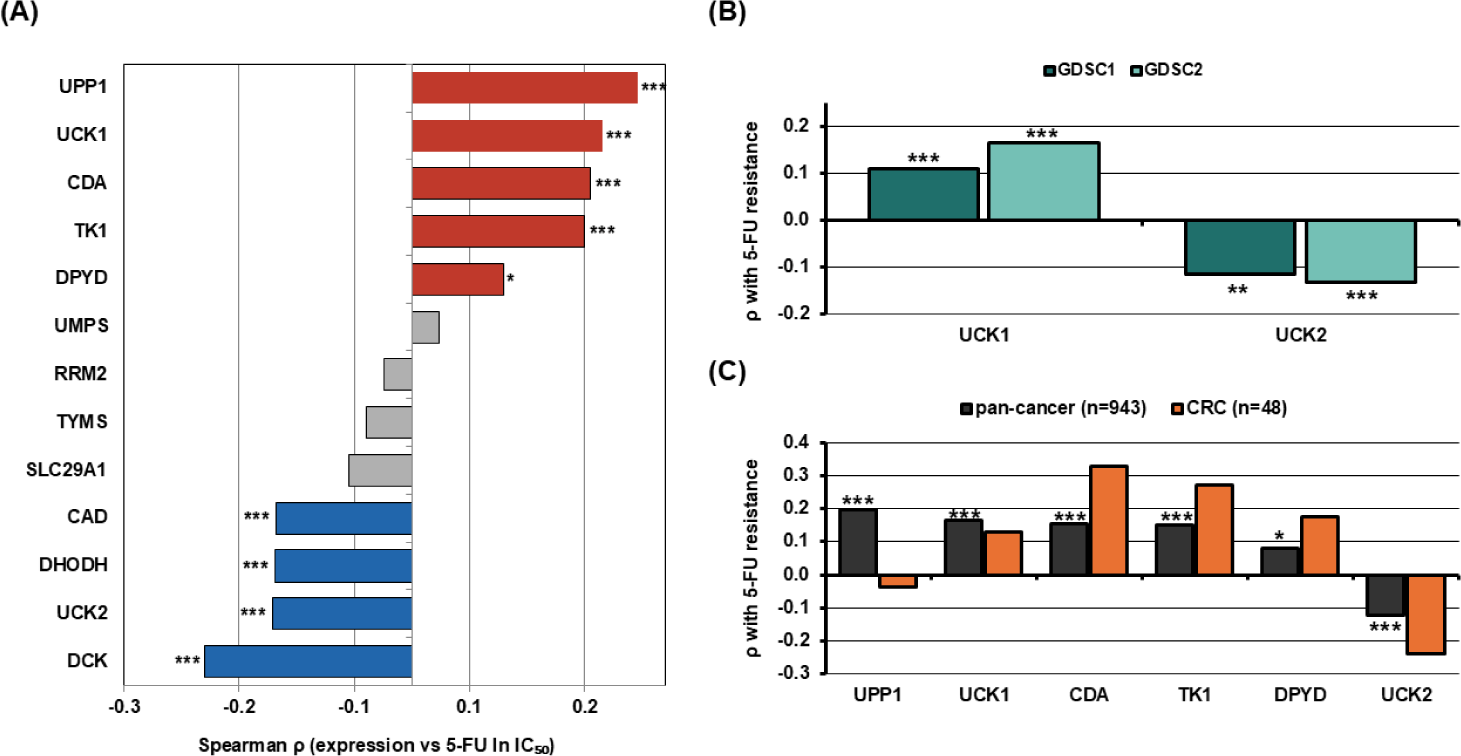
Spearman correlations were computed between gene expression (RNA-seq, TPM) and 5-fluorouracil sensitivity (natural-log IC50) across GDSC cell lines: pan-cancer (GDSC2, n = 943; replicated in GDSC1, n = 887) and a colorectal subset (n = 48). Positive coefficients indicate association with resistance. P-values were adjusted by the Benjamini–Hochberg method across the gene panel.
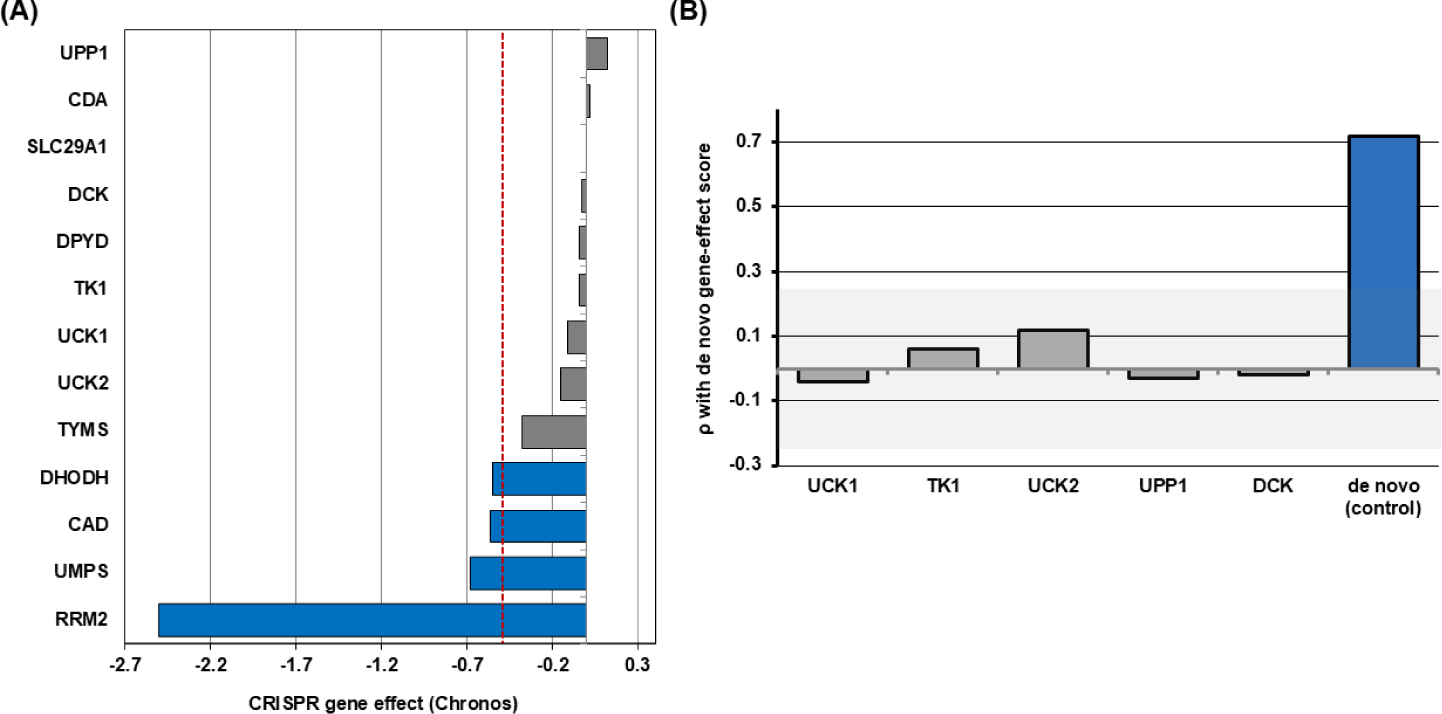
Median CRISPR gene-effect (Chronos) scores were summarized across colorectal cell lines (n = 63); a median below –0.5 was taken as a dependency. To test for latent salvage buffering, Spearman correlations were computed between each salvage/catabolism gene’s gene-effect and a composite de novo gene-effect score (mean of DHODH, CAD, and UMPS) across the same lines; coefficients within the two-sided p = 0.05 critical value (|ρ| ≈ 0.25 at n = 63) were treated as non-significant.
A catabolism composite score was defined as the mean of z-scored UPP1, CDA, and DPYD expression. TYMP was not included in this score. The score was used only in the TCGA analyses, whereas the GDSC and DepMap analyses were performed on individual genes. All TCGA analyses used tumor samples with available expression data, and normal-tissue samples were excluded. Survival models were further restricted to samples with available overall-survival follow-up, which gave 9,525 samples for the pan-cancer model. Cox proportional-hazards models related this score to overall survival, reporting the hazard ratio per +1 standard deviation. A pan-cancer model stratified by cancer type (n = 9,525) and per-tumor-type models were fitted.
A macrophage signal was defined as the mean of z-scored CD68, CD163, MRC1, and CSF1R expression. Partial Spearman correlations were computed between this signal and each pyrimidine composite score (the catabolism composite score defined above, and a de novo composite score calculated as the mean of z-scored DHODH, CAD, and UMPS) and, separately, UCK1 and TK1 individually adjusting for proliferation (MKI67), in TCGA tumor samples. Because this analysis does not require survival follow-up, it included all tumor samples with the necessary expression values, giving 11,768 samples pan-cancer and 651 for colorectal cancer (TCGA-COAD and TCGA-READ combined).
Analyses were performed in Python 3.11 (pandas 3.0, NumPy 2.4, SciPy 1.17, statsmodels 0.14) and R (DESeq2). Monotonic associations were assessed by Spearman rank correlation (SciPy); Cox proportional-hazards models were fitted with statsmodels using the Efron method for ties; differential expression was computed with DESeq2. Multiple testing was controlled by the Benjamini–Hochberg false-discovery rate where multiple genes were tested. The tumor-type-specific survival models were not adjusted for multiple comparisons and are reported as nominal p-values, and these analyses are therefore considered exploratory. The pan-cancer stratified model is the primary survival analysis. Significance is denoted * p < 0.05, ** p < 0.01, *** p < 0.001, and ns denotes not significant. In Figs. 1 and 3 these refer to Benjamini–Hochberg-adjusted p-values. Hazard ratios are reported as HR (95% CI).
Results
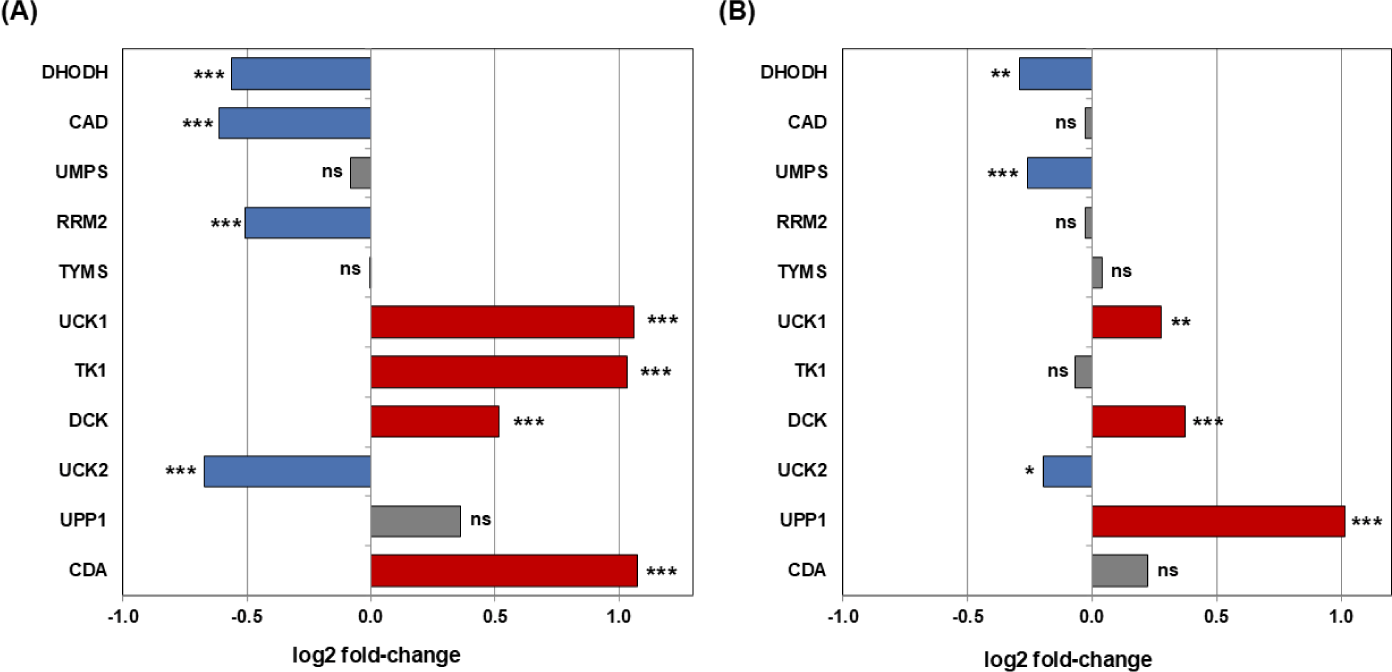
To test whether inhibiting de novo pyrimidine synthesis engages the salvage route, we re-analyzed OVCAR5 transcriptomes under acute brequinar treatment and in the chronically resistant state. Acute brequinar decreased de novo genes (DHODH, CAD, RRM2) and increased the salvage kinases UCK1, TK1 and DCK, while the catabolism marker UPP1 was not significantly changed (Fig. 1A). In the established resistant state, UPP1 was increased, together with UCK1 and DCK. Salvage-kinase induction accompanies acute de novo blockade, whereas the UPP1 marker rises in the stabilized resistant state (Fig. 1B).
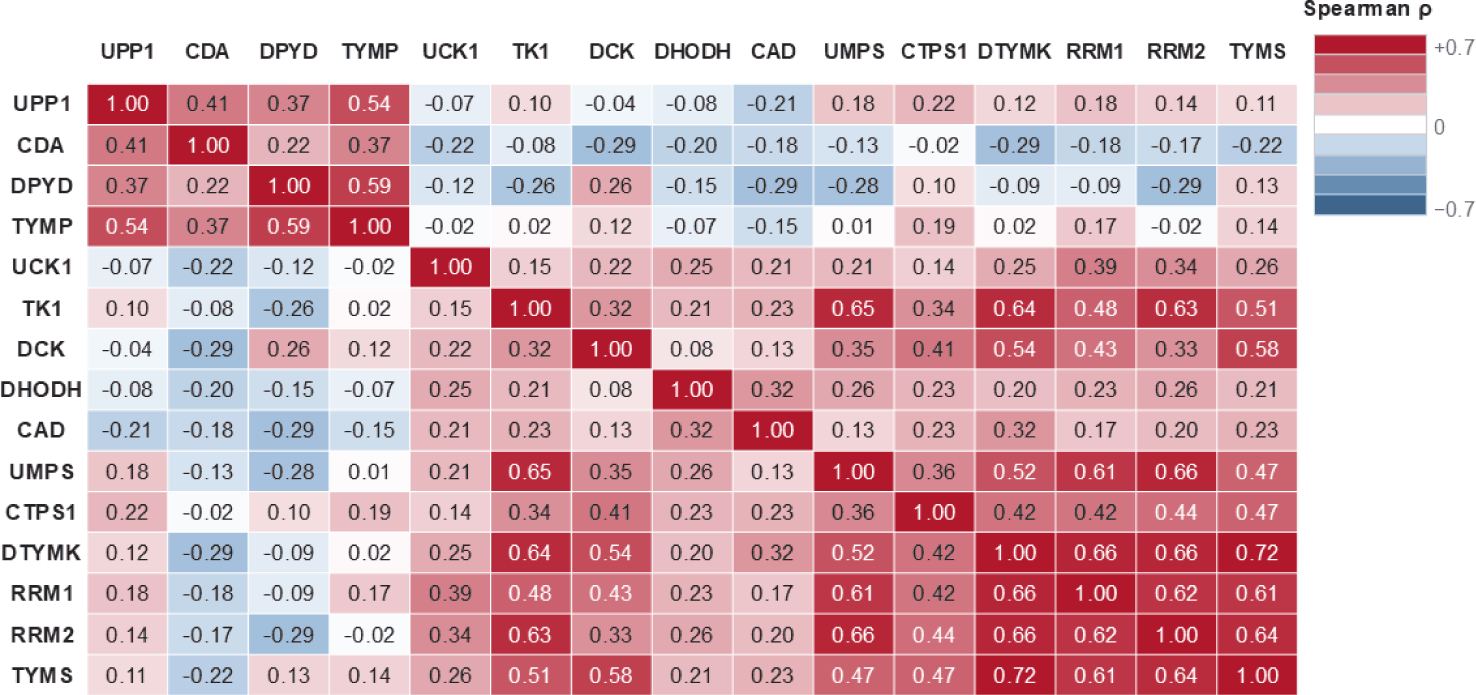
To ask whether these genes behave coherently in patient tumors, we computed pairwise co-expression across colorectal cancers (Fig. 2). De novo and proliferation-associated genes (DHODH, CAD, UMPS, RRM1/2, TYMS, DTYMK) formed one strongly correlated group, and the catabolism genes (UPP1, CDA, DPYD, TYMP) formed a separate group, hereafter the catabolism co-expression module with the two groups largely uncorrelated. Pyrimidine metabolism resolves into separable catabolism and de novo/proliferation modules.
To relate expression to drug response, we correlated pyrimidine-gene levels with 5-fluorouracil sensitivity across cancer cell lines. Higher expression of UPP1, CDA, TK1, and UCK1 was associated with resistance, and higher DCK, UCK2, CAD, and DHODH with sensitivity (pan-cancer, n = 943) (Fig. 3A). The UCK1 and UCK2 associations reproduced in an independent GDSC release, and most associations were directionally consistent in the colorectal subset (n = 48) without reaching significance at that sample size (Fig. 3B and C). Expression of the individual catabolism genes UPP1, CDA, and DPYD is associated with reduced 5-fluorouracil sensitivity across datasets.
To distinguish constitutive from conditional requirements, we examined CRISPR gene-effect scores in colorectal cell lines. The de novo genes DHODH, CAD, UMPS and RRM2 were essential (gene effect below –0.5), whereas the salvage kinases (UCK1, TK1, DCK), UCK2 and the catabolism genes (UPP1, CDA, and DPYD) were non-essential at baseline (Fig. 4A). No salvage or catabolism gene’s dependency co-varied with the de novo dependency score, in contrast to the de novo internal control (Fig. 4B). Salvage genes are dispensable at baseline and show no latent buffering of de novo loss.
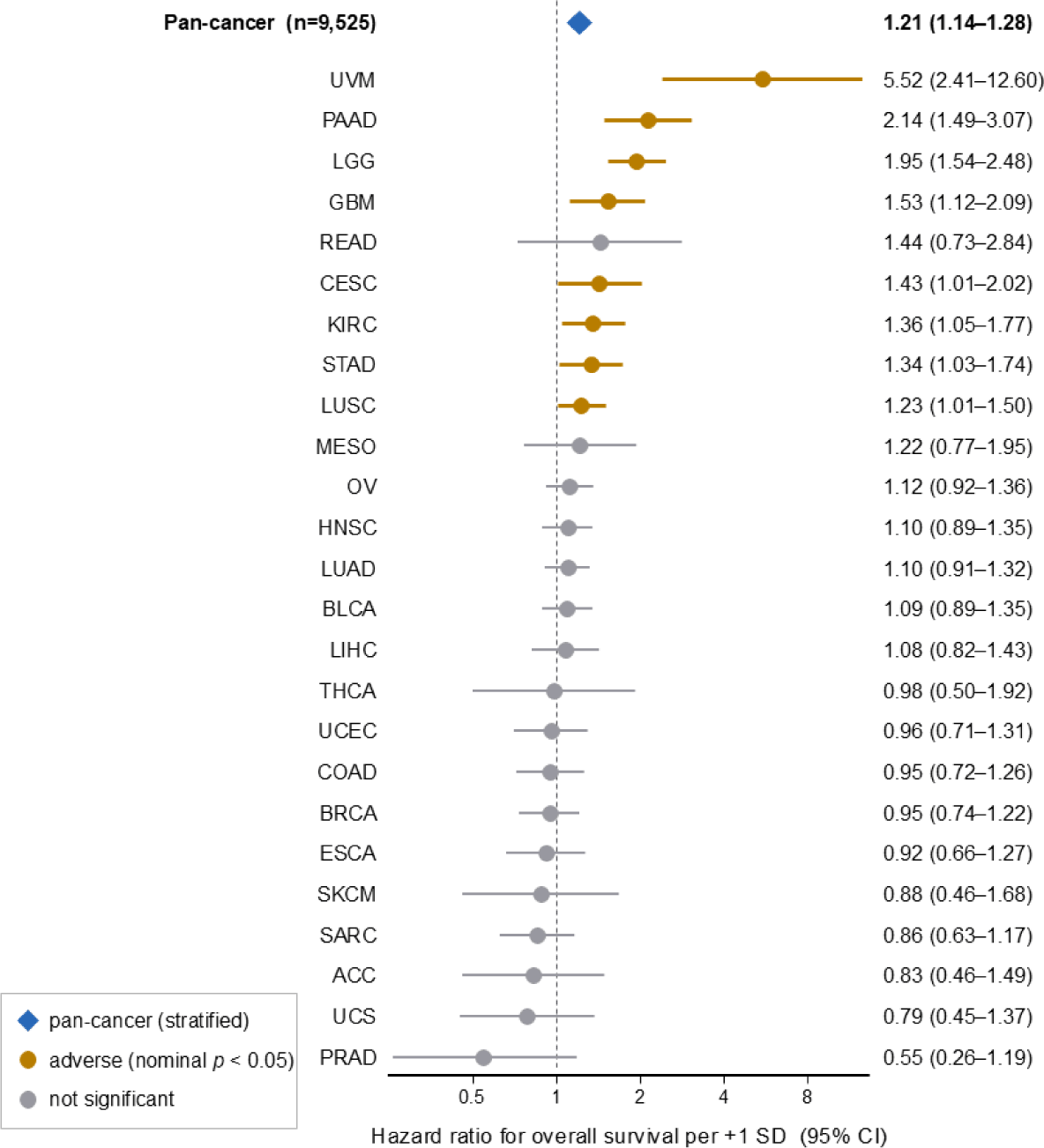
To assess clinical relevance, we related pyrimidine expression to overall survival across cancers (Fig. 5). A catabolism composite score (UPP1, CDA, DPYD) was associated with shorter overall survival pan-cancer (HR 1.21 per +1 SD, 95% CI 1.14–1.28, n = 9,525) and, in exploratory analyses that were not adjusted for multiple comparisons, was adverse in several individual cancer types at a nominal p < 0.05. A higher catabolism composite score marks worse outcome.
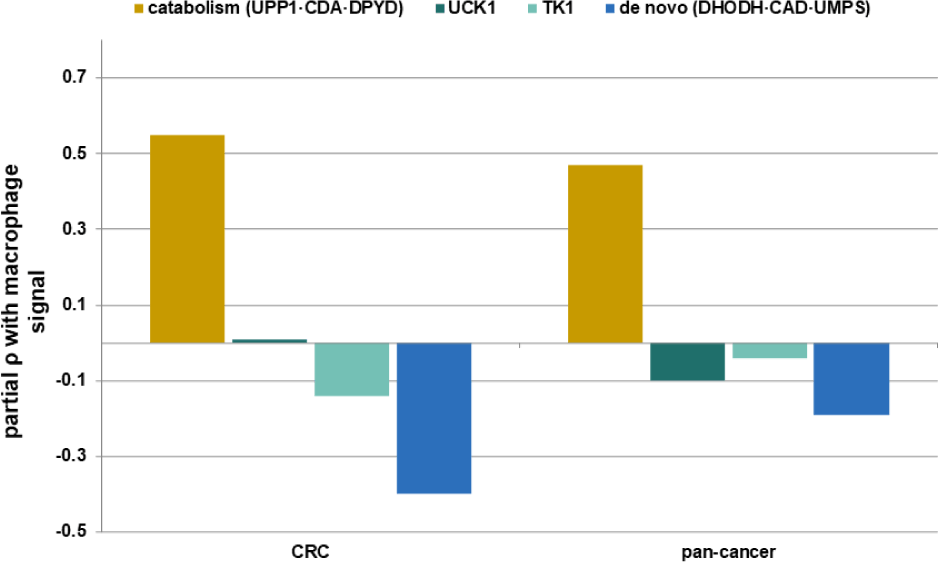
To place the program in the tumor microenvironment, we correlated a macrophage signal with the pyrimidine modules while adjusting for proliferation (Fig. 6). The macrophage signal correlated positively with the catabolism composite score and negatively with the de novo composite score, in both colorectal and pan-cancer cohorts. The catabolism composite score is associated with macrophage-rich tumors independently of proliferation, opposite to the de novo composite score.
Discussion
This study combined several independent public datasets to describe how the salvage and catabolism arms of pyrimidine metabolism relate to de novo synthesis, drug response, genetic dependency, survival, and the tumor microenvironment. The salvage kinases behaved as a candidate conditional resource engaged by de novo blockade, and the catabolism genes behaved as a marker of adverse tumor states. Both patterns fit the established view that pyrimidine supply is a targetable dependency in cancer [2].
The conditional character of the salvage arm agrees with earlier work showing that cells can maintain pyrimidine pools through salvage when de novo synthesis is inhibited, for example by taking up extracellular uridine [16]. Acute inhibition of de novo synthesis increased the salvage kinases UCK1, TK1, and DCK, consistent with an adaptive shift toward salvage. These kinases were not essential at baseline in genome-wide screens, while the de novo enzymes were. And the dependency on salvage genes did not covary with the dependency on de novo genes, which argues against a standing buffering relationship. Together these results are consistent with a potential conditional dependency, in which salvage kinases would matter when de novo synthesis is constrained and are otherwise dispensable, a pattern that resembles collateral metabolic vulnerabilities reported for other pathways [17]. Under this view UCK1 and the other salvage kinases are candidate partners for combination with de novo inhibitors and not standalone essentials.
The catabolism arm showed a distinct and internally consistent behavior. The catabolism genes formed a co-expression module separate from the de novo and proliferation genes. Higher expression of these genes was associated with reduced 5-fluorouracil sensitivity, which fits the known roles of these enzymes in fluoropyrimidine handling, including degradation of 5-fluorouracil by DPYD [18]. The same genes, summarized as a composite score, were associated with shorter overall survival and with a macrophage-rich tumor signal. These associations are in line with reports linking catabolism enzymes such as UPP1 to nutrient scavenging and an immunosuppressive microenvironment in other tumor types [19,20], and with the broad association between tumor-associated macrophages and poor outcome [21]. Taken together, the catabolism genes are a candidate biomarker of an adverse tumor state.
We used a published ovarian cancer dataset for the perturbation analysis because it provided matched acute and chronic de novo blockade in sensitive and resistant cells, which is the design needed to observe induction of the salvage kinases. De novo pyrimidine dependence is itself relevant in ovarian cancer, and the de novo and salvage relationship is a general feature of pyrimidine wiring, so this model is a reasonable setting in which to examine this relationship [8]. Clinical relevance was then examined in patient tumors across many cancer types and in colorectal cancer, where 5-fluorouracil is central.
Several limitations should be stated plainly. Most of the patient-level findings are associations and do not establish causation. In particular, salvage-gene dependency under de novo inhibition was not tested functionally, and the conditional dependency described here therefore remains a candidate that requires experimental confirmation. The perturbation evidence comes from a single ovarian cell model, so generalization depends on the patient and pan-cancer analyses. The colorectal drug-sensitivity subset was small (n = 48), so those estimates are directional only. The link between the catabolism genes and the macrophage signal was measured in bulk tissue, which cannot resolve the cellular source of the signal or the direction of the relationship, and this question will need single-cell and functional work. Finally, the study relies on the accuracy and annotation of the source datasets, and one gene of interest (UCK2) lacked a mapped probe in the co-expression platform.
Within these limits, the convergent results outline a simple and testable picture. De novo synthesis is a standing dependency, the salvage kinases are a candidate conditional resource that de novo blockade may bring into play, and the catabolism genes mark tumors with poorer drug response, poorer survival, and a macrophage-rich environment. These conclusions give a defined starting point for functional studies, including a direct test of salvage-kinase dependence under de novo inhibition.


