


Introduction
Food security crisis is a global issue driven by the complex interplay, including climate change, water scarcity, and geopolitical conflict. According to the FAO’s global food losses and food waste, approximately one-third of all food produced globally—equivalent to 1.3 billion tons per year—is lost or wasted before reaching the final consumers. A substantial portion of these losses occurs in the post-harvest processes such as food storage, food distribution, and food retail display in food supply chain (FSC). It is estimated that around 14% of food is lost between harvest and retail, representing a significant economic burden [1].
Given that such losses arise primarily due to the diverse chemical/biological stresses, such as chemical injury, insect plague, and microbial spoilage, the challenge extends beyond simply increasing food production. It necessitates an urgent shift in focus toward improving the preservation and stability of food already produced. This issue is particularly noticeable in the developing countries that are missing the adequate food infrastructures for long-term storage, long-distance transportation, and cold-chain systems. Although the food infrastructures have been established, inefficient retail practices and consumer behavior also pose food loss issue.
The traditional food loss has been defined in terms of visible loss—such as mechanical damage, physical degradation, and expiration-related discards. Yet recent studies suggest that this narrow definition overlooks a critical and pervasive phenomenon: invisible food loss. As introduced by Li et al. [2], invisible food loss refers to qualitative deterioration in terms of food safety or palatability —including overripening and degradation of conducible nutrients—that often goes undetected because it does not manifest in obvious physical signs. For instance, crops contaminated with mycotoxins or pesticide residues may appear visually intact but are unfit for human consumption [2,3]. Likewise, refined grains or processed foods often suffer nutritional depletion, despite being considered marketable [2].
These invisible food losses are not only harder to detect and measure, but they also carry broad implications for human health, food security, and environmental sustainability. Nutritional loss, for example, contributes to the erosion of dietary quality and micronutrient availability, while contamination risks undermine food safety across supply chains. Moreover, such losses are often externalized—incurred by producers or consumers without being adequately accounted for in market systems or policy frameworks.
To this end, various mitigation strategies have been proposed, including infrastructure investment in cold chains, improvements in harvesting and handling practices, reformation of retail standards, consumer education, and the development of smart packaging and preservation technologies. Among these, one promising and increasingly emphasized solution is the application of natural biopolymer-based edible coatings. These coatings form a thin, semi-permeable barrier on the surface of fresh produce, effectively inhibiting microbial growth, oxidative reactions, moisture loss, and enzymatic browning. Derived from renewable resources such as polysaccharides, proteins, and lipids, edible coatings are generally biodegradable, safe for human consumption, and environmentally sustainable making them an attractive alternative to conventional plastic packaging.
This mini-review aims to address the growing problem of food loss by highlighting the importance of food preservation technologies. It focuses on the scientific and practical potential of edible coating technique as an innovative and sustainable strategy to reduce both qualitative and quantitative food losses within the global FSC. Last but not least, the researches using artificial intelligence (AI) powered by large language models are discussed to provide novel food preservation techniques by the advanced edible coating techniques combined with food infrastructures and automatic robot devices making innovations in the entire food supply systems.
Food Losses from Food Supply Chain
Global food insecurity does not stem from an absolute shortage of agricultural production. Current global production levels are sufficient to feed the world’s population; however, approximately 20 percent of food is lost or wasted before reaching consumption, equivalent to nearly one billion meals per day [4]. The associated economic cost is estimated at around one trillion USD annually [4]. Beyond the loss of food itself, this phenomenon entails the waste of critical resources such as land, water, and energy, thereby imposing severe social, environmental, and economic burdens. Moreover, up to 10 percent of global greenhouse gas emissions originate from food loss and waste, a share nearly five times higher than the entire aviation sector [4]. In regions with hot climates, elevated temperatures further exacerbate deterioration during storage, processing, and transportation, increasing the proportion of food wasted.
The drivers of food loss and waste vary significantly depending on the stage of the FSC and the level of economic development. In developing countries, about 40 percent of losses occur during the early stages of production and post-harvest handling, largely due to structural deficiencies such as inadequate harvesting methods, limited storage facilities, and restricted access to markets [5]. For instance, in Ethiopia, nearly 60 percent of post-harvest cereal losses have been attributed to the continued reliance on traditional storage practices, which are highly vulnerable to pest infestation and fungal contamination [5]. Inadequate infrastructures, combined with labor shortages, limited financial resources, and unfavorable market prices, further aggravates field losses, where crops remain unharvested and are ultimately discarded.
Similarly in developed countries, post-harvest handling is the main source of food losses more occurring in the latter stages of the supply chain, particularly during distribution, retail, and household consumption [5]. Although these countries have the designed infrastructures for food supply, poor storage management and disposal of food that past expiration date are still the major contributing factors to food losses. Since food losses at this stage represent the culmination of all previous resource inputs, the environmental and economic consequences are especially significant.
The FSC encompasses the sequential stages through which food travels from producers to consumers, including production and harvesting, post-harvest handling and storage, processing and packaging. The following sections examine the principal drivers of food loss and waste across these stages (Fig. 1).
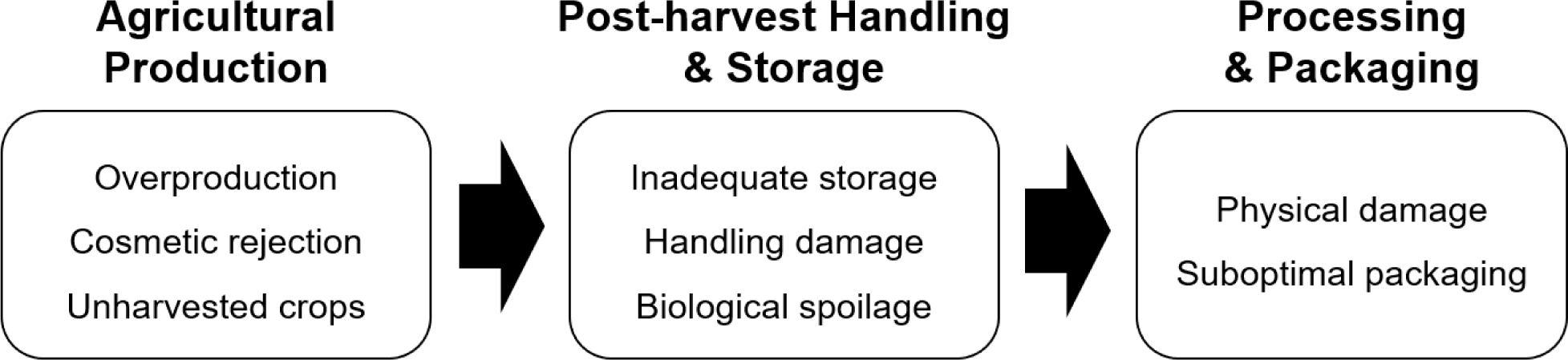
Losses during agricultural production are driven by a combination of managerial, technical, and environmental factors. Overproduction relative to market demand and inaccurate demand forecasting often result in surplus stocks that are ultimately discarded. Inefficient operations and inappropriate handling practices further contribute to quality deterioration immediately after harvest. In addition, external pressures such as climate variability and seasonal fluctuations undermine production stability. Retail standards based on cosmetic attributes, including weight, size, and color, frequently lead to the rejection of otherwise edible produce, while issues of quality degradation, contamination, and disease represent direct causes of loss. Insufficient infrastructure, limited technical capacity, and weak managerial skills exacerbate these challenges. Furthermore, in cases where market prices render harvesting economically unviable, crops remain uncollected and are abandoned in the field. The inherently short shelf life of many agricultural products also amplifies the scale of losses at this stage.
In the post-harvest stage, losses primarily arise from inadequate storage and inefficient handling practices. Physical damage and spillage during transport and sorting are common, particularly where storage facilities are insufficient or poorly maintained. Suboptimal storage conditions, including improper temperature and humidity control, accelerate spoilage and make products highly susceptible to pest infestation and fungal contamination. Inadequate or defective packaging, together with failures in stacking and cushioning during bulk storage, frequently cause breakage and deterioration. These factors highlight the pivotal role of infrastructure, temperature regulation, and sanitary management in mitigating post-harvest losses.
Losses in the processing and packaging stage are linked to inefficiencies in both technical operations and management practices. Improper handling during washing, cutting, heating, or other processing operations often results in physical damage and degradation of raw materials. Inadequate packaging and storage conditions further contribute to spoilage. Products that fail to meet market specifications regarding size, weight, or visual appearance are frequently discarded, regardless of their safety or nutritional quality.
Early Research of Food Preservation using Chemical Treatment
Edible coatings are not a newly developed technology, but rather traditional methods of food preservation that have been employed since ancient civilizations [6]. For instance, in ancient Egypt, natural wax derived from citrus fruits was applied to the surface of fruits to suppress moisture loss [6]. In China and Greece, fruits were stored in earthenware jars along with fresh leaves or herbs to alter the internal atmospheric composition and delay ripening. Around 3000 BCE, the Sumerians of Mesopotamia began preserving meat by enclosing it in animal intestines, a technique that also appeared in China around 580 BCE [7]. In 15th-century Japan, edible films made from the thin layer formed on boiled soy milk were utilized for food packaging [8]. During the 16th century, both China and Europe adopted animal fat (lard) and waxes as coating agents for the preservation of fruits and other perishables [9]. By the 19th century, gelatin-based edible coatings had been patented in the United States and applied to meat preservation [8].
However, the emergence of petroleum-based synthetic plastics after World War II significantly diminished the use of edible materials in packaging. The 1950s witnessed rapid advancements in plastic synthesis and processing technologies, accelerating the expansion of the food packaging industry. Plastics became widely used due to their cost-effectiveness, resistance to solvents, ease of processing, light weight, and versatility in shape and size. By the 1960s, over 25% of all bread sold in the United States was packaged in low-density polyethylene bags [10]. It is estimated that between 1950 and 2015, the global cumulative production of plastics reached approximately 7.5 billion tons, with 360 million tons produced in 2018 alone [11]. Approximately 40% of plastics are used for packaging, with nearly 60% of this allocated to food and beverage applications [12]. While plastic packaging offers superior preservation performance and economic efficiency, its environmental drawbacks—particularly non-biodegradability and microplastic pollution—are increasingly alarming.
In response to growing environmental concerns, consumer interest in safe and sustainable food preservation strategies has intensified. Major food and packaging corporations have pledged to reduce plastic waste and implement circular economy models. As a result, edible coatings are once again attracting attention as eco-friendly and sustainable alternatives, stimulating active research and development in the field [13].
Emergence of Edible Coating to Reduce Food Loss and Food Waste
In the 1930s, hot-melt paraffin wax was introduced and began to be commercially applied as an edible coating for fresh fruits such as apples and pears [14]. Erbil et al. demonstrated that coating the surface of peaches with wax emulsions significantly reduced water vapor and oxygen transmission, thereby lowering the respiration rate and extending the fruit’s shelf life [15]. By the 1990s, advancements in food science and polymer chemistry facilitated the development of more sophisticated edible coatings. Nisperos-Carriedo et al. [16] and Baldwin et al. [17] reported that oils, waxes, and cellulose-based coatings were effective in delaying spoilage and preserving the fresh-picked quality of tropical fruits. Subsequently, numerous efforts were made to develop coatings designed to regulate internal gas composition during storage.
El-Ghaouth et al. [18] and Zhang & Quantick [19] proposed the use of chitin and its deacetylated derivative, chitosan—derived from marine invertebrates—to produce transparent edible films applicable to fruits and vegetables. Similarly, Lowings & Cuts [20] reported that lipid-based mixtures composed of sucrose fatty acid esters (SFAE), sodium carboxymethyl cellulose, and mono- and diglycerides were non-phytotoxic, tasteless, and odorless, rendering them suitable for edible coating applications [14].
In recent decades, extensive research has focused on the development of functional edible coatings incorporating essential oils (EOs), antimicrobial agents, and antioxidants, enabling direct interaction with food surfaces to enhance preservation efficacy [21]. More recently, the concept of smart edible coatings has emerged, referring to intelligent systems that incorporate sensors and colorimetric indicators capable of responding to environmental stimuli -such as temperature, pH, and humidity- and detecting spoilage in real time [22]. Furthermore, advanced fabrication techniques—including layer-by-layer assembly, microfluidic synthesis, and 3D printing—are being employed to enhance the structural and functional precision of edible coatings.
The transition from traditional natural preservation methods to synthetic plastic packaging, and now to the re-emergence of edible coating technologies, underscores the evolving pursuit of a balance between convenience, preservation efficiency, and environmental sustainability in food packaging [6]. With their long historical roots and alignment with modern scientific innovation, edible coatings represent a promising alternative for the future of sustainable food systems and highlight the urgent need for continued innovation and adoption of eco-friendly packaging solutions.
Natural Biopolymers in Edible Coating
Edible coatings have emerged as an effective technology for maintaining the physicochemical and sensory quality of food products during storage and for extending their shelf life [23]. By forming a semi-permeable layer on the food surface, these coatings act as functional barriers against oxygen, carbon dioxide, and moisture, thereby retarding undesirable changes in appearance and texture. Furthermore, they can serve as carriers for bioactive compounds, contributing to the enhancement of nutritional and functional properties. Typically, edible coatings are composed of natural biopolymers such as polysaccharides, proteins, and lipids, and in some cases, are formulated as composites that combine multiple biopolymer types to achieve desired functionality [24] (Fig. 2).
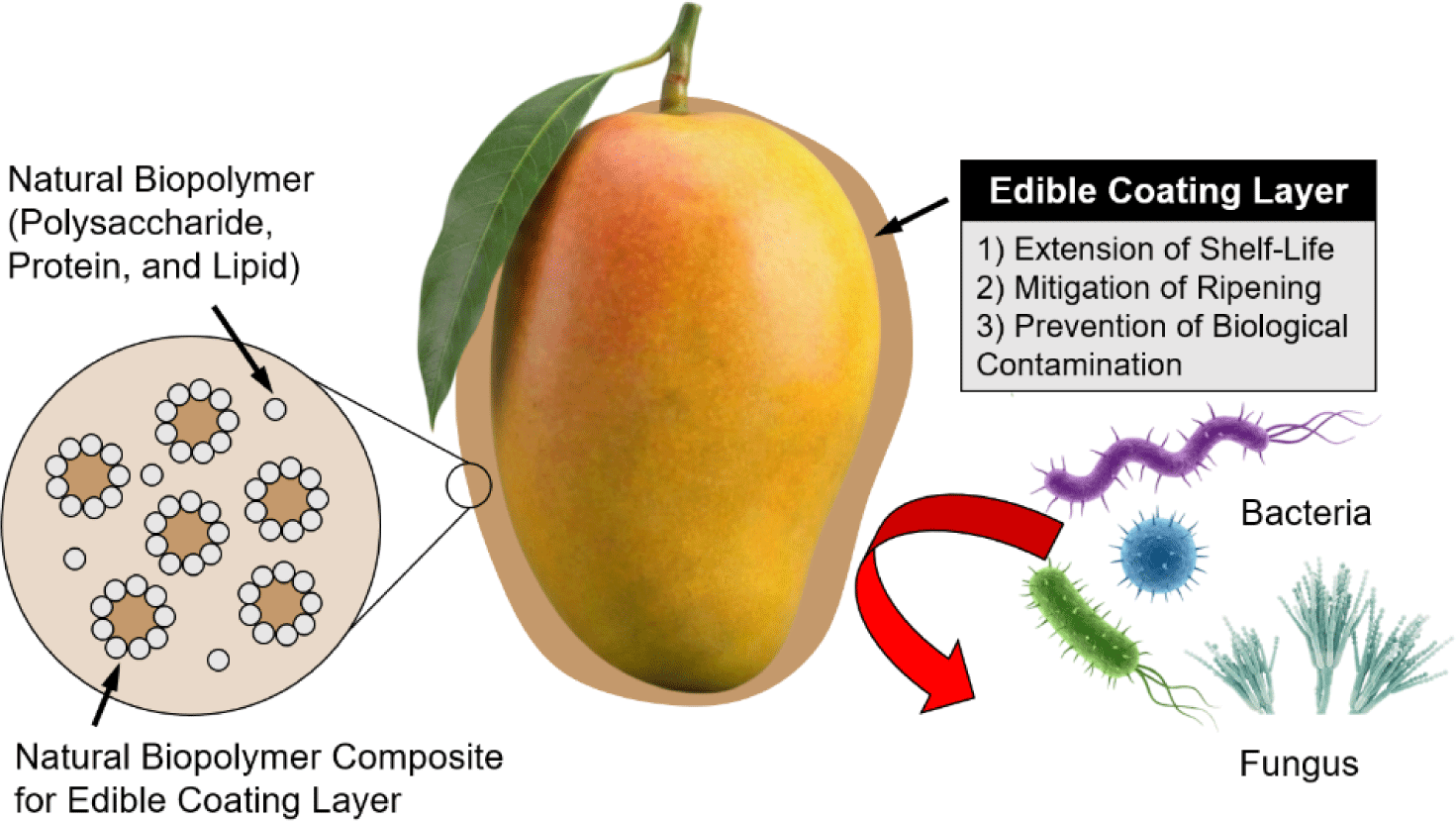
The physicochemical performance of edible coatings is largely dependent on the type of biopolymeric matrix used. Polysaccharide- and protein-based coatings generally exhibit excellent barrier properties against gases [25] and lipids but are often limited by their relatively high-water vapor permeability and moderate mechanical strength [26,27]. In contrast, lipid-based coatings are particularly effective in reducing water loss and contribute to surface gloss and cohesion. By utilizing the complementary properties of each biopolymer class, composite edible coatings can be developed with improved mechanical stability and enhanced functionality.
Moreover, recent research has focused on the incorporation of functional additives such as EOs, bio-nanocomposites, and inorganic nanoparticles (NPs) into edible coating formulations. These advanced materials significantly improve antimicrobial activity, structural integrity, and overall performance, supporting the development of next-generation, sustainable food packaging systems [14].
Polysaccharides are widely recognized as excellent materials for edible coatings due to their low cost, environmental friendliness, non-toxicity, safety, biodegradability, and high availability. Polysaccharide-based edible coatings are extensively applied in the food industry, with commonly used materials including chitosan, cellulose, alginate, pectin, and starch [14]. These polysaccharides, derived from a variety of natural sources, exhibit unique functional properties that enhance food preservation and safety, making them essential components in modern food packaging technologies [28-30].
Chitosan is a biopolymer derived from the deacetylation of chitin, which is primarily found in the exoskeletons of crustaceans and the cell walls of fungi [14]. It exhibits excellent antimicrobial, antioxidant, and film-forming properties, making it particularly effective in the preservation of highly perishable foods such as fruits and vegetables. Among these functionalities, chitosan is especially noted for its strong antimicrobial activity. This property arises from the electrostatic interactions between its amino groups and bacterial cell membranes, as well as its ability to chelate metal ions, thereby disrupting bacterial nutrient transport essential for microbial growth [31,32].
Zou et al. demonstrated that chitosan films reduced microbial counts on food surfaces by 2.62 of log10 CFU/g and yeast and mold levels by 1.72 of log10 CFU/g, confirming its significant antimicrobial effect [33]. Furthermore, Rai et al. reported that chitosan coatings altered the microbial communities on tomatoes, promoting the proliferation of beneficial probiotics such as Weissella, which contributed to suppression of pathogenic bacteria and the enhancement of overall food quality [34]. Phuong et al. further improved the performance of chitosan-based films by incorporating ginger EO, which substantially increased both antioxidant and antimicrobial activities [35]. In addition to its intrinsic functional properties, chitosan has demonstrated remarkable versatility in food preservation applications. For example, chitosan-based antimicrobial films incorporating bioactive compounds like cinnamaldehyde have proven effective in extending the microbiological shelf life of milk [36]. Moreover, chitosan is also employed as a bioactive layer in paper-based packaging systems designed to inhibit yeast growth in orange juice [37]. These findings underscore chitosan’s potential as a multifunctional, sustainable material for advanced food packaging systems.
Cellulose is the most abundant polysaccharide on Earth, primarily found in high concentrations in sugarcane and cotton. It is composed of D-glucose units linked by β-1,4-glycosidic bonds. Owing to its excellent mechanical strength and biodegradability, cellulose has been extensively utilized in food packaging applications. In particular, its outstanding oxygen barrier properties make it highly suitable for packaging foods that require low-oxygen environments [38]. Nongnual et al. demonstrated that CMC films cross-linked with varying concentrations of citric acid (CA) improved hydrophobicity, effectively preserving banana quality by reducing weight loss, delaying ripening through inhibition of starch degradation, and maintaining color and firmness during storage [39]. Similarly, Li et al. reported that sodium CMC-based coatings were effective in minimizing EO loss and retaining aroma in Sichuan pepper [40]. Kim et al. also confirmed that CMC coatings preserved the quality of bananas during storage without significantly affecting weight, texture, sucrose content, or total chlorophyll levels [41].
Starch, a naturally abundant polysaccharide primarily extracted from cereals, is extensively employed in the development of edible coatings due to its low cost, desirable film-forming capability, and minimal interference with the sensory qualities of foods [42]. Structurally, starch is composed of two major glucose polymers—amylose and amylopectin—whose relative ratios influence the solubility, optical properties, thickness, and mechanical performance of starch-based films [43,44]. Amylose, in particular, owing to its linear and helical molecular structure, contributes to enhanced tensile strength, flexibility, and gas barrier properties of the resulting films [45]. Bansal et al. reported that the addition of lemongrass EO to starch-based edible coatings significantly enhanced postharvest quality of plums stored at room temperature [46]. The composite formulation effectively inhibited microbial growth, minimized losses of total soluble solids and vitamin C, delayed ripening, improved moisture retention, and maintained consistent pH and sweetness levels (TSS), thereby extending the storage life and overall freshness of the fruit.
Proteins are natural biopolymers that have garnered increasing attention as edible coating materials due to their intrinsic structural diversity and versatile functional properties. Derived from both plant and animal sources, proteins play a critical role in modulating rheological behavior and are amenable to structural modification through heat, acids, bases, or specific solvents, thereby making them suitable for film formation. In general, protein-based films exhibit superior mechanical strength and barrier performance compared to polysaccharide-based films; however, they remain limited in terms of water vapor resistance and mechanical stability when compared to synthetic polymers. To overcome these limitations, proteins can undergo cross-linking via chemical, enzymatic, or physical methods [24]. In addition, the functional properties of protein-based films can be tailored based on the nature of amino acids, net charge, and the interactions of protein molecules with water and lipids within the matrix. Furthermore, the incorporation of various EO has been shown to enhance antimicrobial and antioxidant efficacy, contributing to the preservation of food quality. Recent studies have reported the successful application of protein-based edible coatings in preserving meat, seafood, and fresh produce, highlighting their potential as a promising strategy for extending shelf life and reducing postharvest losses [47].
Collagen, a prominent natural biopolymer, is a byproduct of the meat industry derived from animal bones, cartilage, and skin, accounting for approximately 30% of total animal protein. It consists of three α-chains, each composed of about 1,000 amino acids, forming an extended helical structure. This hydrophilic protein is rich in glycine, hydroxyproline, and proline, and exhibits a characteristic swelling behavior in polar solvents with high solubility parameters [48]. Notably, collagen extracted from animal bones and skin can be thermally denatured in the presence of dilute acid to yield gelatin [49]. Owing to these structural and chemical attributes, collagen-based edible coatings offer excellent barriers to moisture and oxygen while also inhibiting microbial growth, making them a promising material for food packaging. They have shown particularly effectiveness in preserving meat, poultry, and seafood. Collagen coatings applied to sausage products have been shown to reduce fat uptake and improve texture and flow characteristics. Furthermore, when co-extruded with meat into casings, collagen enhances structural integrity and mitigates lipid oxidation, thereby extending product stability and shelf life [50,51].
Gelatin, a natural protein derived from the controlled hydrolysis of collagen, is composed primarily of glycine, proline, and 4-hydroxyproline residues [52]. Depending on the pretreatment method applied to collagen, gelatin can be classified into type A (acidic processing) and type B (alkaline processing) [53]. Gelatin is widely recognized in the food packaging sector for its outstanding film-forming capacity, barrier properties against gases and lipids, non-toxicity, low cost, and biodegradability. Notably, gelatin-based films are characterized by high mechanical strength and transparency, effectively minimizing moisture transfer and oxidative degradation, thereby maintaining the quality and extending the shelf life of perishable foods.
Several studies have demonstrated the practical effectiveness of gelatin-based edible coatings. For instance, gelatin coatings enriched with Mentha pulegium essential oil (MEO) were applied to strawberries and refrigerated for 13 days. The coating significantly inhibited microbial growth, delayed physicochemical deterioration, and preserved firmness and color, with the 1% MEO formulation showing the most effective preservation [54]. Similarly, gelatin films incorporated with orange leaf EO exhibited antimicrobial activity against foodborne pathogens via the agar well diffusion method, producing inhibition zones of 14.5 mm for Staphylococcus aureus and 19.0 mm for Escherichia coli at a 2% oil concentration [55]. In another study, fish-skin-derived gelatin films containing peppermint and citronella EOs achieved over 80% growth inhibition of E. coli and S. aureus at 10% oil concentration [56]. The stronger susceptibility observed in Gram-negative bacteria is attributed to their thinner peptidoglycan layer compared to Gram-positive species. These findings underscore the potential of EO-enriched gelatin coatings to deliver enhanced antimicrobial and antioxidant protection, highlighting gelatin’s viability as a sustainable and adaptable material for food preservation applications [14].
Lipid-based edible coatings have garnered considerable attention as a promising strategy for preserving food quality and extending shelf life. Lipids, which include waxes, vegetable oils, fatty acids, resins, and fat-soluble vitamins, are composed of various hydrophobic compounds that exhibit a characteristic nonpolar molecular structure. This intrinsic hydrophobicity significantly enhances resistance to moisture diffusion compared to polysaccharide- or protein-based coatings. By forming an effective barrier to both oxygen and water vapor, lipid coatings play a crucial role in minimizing moisture loss in perishable products, thereby contributing to prolonged freshness and improved storage stability [57–59].
Despite these advantages, lipid coatings face several limitations. Their susceptibility to oxidative rancidity upon exposure to atmospheric oxygen may lead to deterioration in sensory quality. Moreover, lipids inherently lack sufficient film-forming ability and adhesive properties, which restricts their direct application to certain food surfaces. Due to their strong hydrophobic nature, lipid coatings are also difficult to remove through simple washing, and the resulting films are often opaque and rigid, limiting their adhesion to fresh-cut fruits and vegetables [60].
To overcome these drawbacks, lipid materials are frequently incorporated into composite formulations with other biopolymers or fillers. Such combinations enhance mechanical integrity, adhesion, and flexibility, expanding the practical applications of lipid-based coatings in food systems [60–62].
Waxes are hydrophobic substances composed primarily of straight-chain derivatives of aliphatic acids and alcohols, characterized by medium to long carbon chains [63]. Their high content of non-polar functional groups, including long-chain esters, alkanes, fatty acids, and alcohols, imparts superior water vapor barrier properties and makes them more hydrophobic than other lipid-based materials [64]. Commonly used natural waxes in edible coating formulations include carnauba wax, beeswax, paraffin wax, and candelilla wax. These compounds are widely applied in the preservation of fruits and vegetables, where they help minimize moisture loss, reduce weight shrinkage, and extend shelf life.
Beeswax is frequently employed as a surface coating for citrus fruits and apples, helping maintain physiological characteristics such as pigment retention, aromatic profile, firmness, and freshness, thereby enhancing consumer acceptance [65]. Composite coatings composed of chitosan and beeswax have shown promising results in prolonging the shelf life of sapodilla fruit by up to 17 days. These coatings were effective in reducing microbial contamination and minimizing postharvest weight loss [66]. Applying carnauba wax in nanoemulsion form to fresh tomatoes extended their shelf life by up to 15 days [67]. When incorporated into arrowroot starch-based edible films through emulsion technology, carnauba wax significantly enhanced the hydrophobicity of the matrix and improved key packaging properties such as reduced water vapor permeability, improved thermal stability, and enhanced light barrier performance [60,68].
Examples of Industrial Applications Using Edible Coating
Apeel Sciences (Goleta, CA) is a prominent company that has developed and commercialized edible coating technologies aimed at prolonging the postharvest shelf life of fresh produce and reducing spoilage-related food loss. In the United States, an estimated 30%–40% of the food supply is discarded prior to consumption due to deterioration. To mitigate such losses, the company applies its coatings to a range of fruits and vegetables, including avocados, oranges, lemons, apples, mangoes, and cucumbers. The formulation used for conventional produce, Edipeel, is primarily composed of fatty acid chains (monoglycerides and diglycerides), while the version designed for organic produce, Organipeel, additionally contains CA and sodium bicarbonate. All ingredients are naturally derived, food-grade, and safe for human consumption, and can be easily removed by simple washing if desired. For example, approximately 20–22 mg of coating is applied to a 200 g avocado—an amount sufficient to maintain peak ripeness for an additional three to four days. According to company data, this technology has prevented the disposal of approximately 166 million units of fresh produce, conserved 1.8 billion gallons of water, and reduced carbon dioxide emissions by more than 64 million pounds.
Mori is a sustainability-oriented company dedicated to mitigating environmental pollution associated with the widespread use of plastic packaging in the food industry, while aiming to reduce food waste, extend product shelf life, and enhance quality through the development of natural edible coating technologies. The company primarily employs silk protein–based edible coatings to form protective barriers on food surfaces, thereby delaying spoilage processes that are among the primary causes of food loss. Silk protein is a fully digestible dietary protein derived from silk cocoons, characterized by a high glycine content and exhibiting properties comparable to collagen. Typically applied via aqueous solutions through misting or water bath techniques, silk protein dries to form a thin, imperceptible barrier that inhibits oxidative and dehydration processes, ultimately reducing the rate of deterioration. This material is edible, non-toxic, non-allergenic, and easily digestible, with no discernible taste, thereby preserving the sensory quality of coated foods. Moreover, it can be readily removed by washing, and when not consumed, it biodegrades naturally, returning harmlessly to the environment. By applying silk protein–based coatings to a wide range of products, including spinach and almonds, Mori slows the rate of quality degradation, reduces reliance on plastic packaging, and contributes to the advancement of sustainable food systems.
Nutriac is formulated exclusively with food-grade, GRAS-approved ingredients, which are precisely blended to form an odorless, tasteless, nanometer-scale thin film on the fruit surface, thereby establishing a physical barrier between the fruit peel and the surrounding atmosphere. Through this mechanism, Nutriac creates a tailored modified atmosphere (MA) system for each individual fruit, modulating the gas permeability of the fruit’s cellular membrane and reducing its respiration rate, thereby extending postharvest shelf life. In addition, the coating suppresses the production and distribution of ethylene, mitigates oxidative browning, scuffing, and bruising during packaging, grading, and transportation, and enhances water retention throughout the supply chain. As a result, the coating maintains the fresh appearance, peel color, and firmness of the fruit, while minimizing quality deterioration such as softening and shriveling.
According to the firmness retention profile provided by Nutriac, the firmness of untreated fruit declined sharply from approximately 1,500 N at the onset of storage to below 200 N by week 7. In contrast, fruit treated with Nutriac exhibited a more gradual reduction in firmness, maintaining approximately 800 N at week 7. This represents nearly a fourfold improvement in firmness retention compared to the untreated control. Notably, untreated fruit fell below 800 N by week 3, demonstrating the substantial efficacy of the Nutriac edible coating in preserving textural integrity during extended storage.
Sufresca is a developer of natural, edible coating technologies that provide a simple, cost-effective, and sustainable solution for extending the postharvest shelf life of fresh produce worldwide. In view of the fact that 40%–60% of fresh fruits and vegetables are lost or wasted globally, and that plastic packaging—despite its protective role—causes substantial environmental harm, Sufresca aims to address these challenges by reducing costly food loss and waste while contributing to the establishment of a plastic-free supply chain. The coating is formulated exclusively from biodegradable and edible materials and has been successfully applied to commodities traditionally considered difficult to coat, such as bell peppers, garlic bulbs, and pomegranate arils. Applied during the postharvest packing stage, the formulation forms an imperceptible dry coating composed of plant-derived additives and naturally occurring organic compounds, rendering it essentially food-grade. Utilizing its proprietary technology, the coating partially seals the produce surface to optimize gas exchange (O2, CO2, and water vapor) between the produce and the surrounding environment. This modulation of the internal atmosphere slows postharvest physiological processes while avoiding the detrimental effects of excessive sealing. An additional advantage of the technology is its operational simplicity: it requires no specialized equipment, dries rapidly, and can be applied using existing lines commonly employed for waxing or washing, thereby enabling seamless adoption in packinghouses of any scale worldwide.
Experimental evaluation under ambient storage conditions (22°C±٣) demonstrated the efficacy of the coating on bell peppers. Coated peppers exhibited less than ٢٠٪ weight loss after ٢٧ days, whereas uncoated controls exceeded ٢٠٪ loss by day ١٣ and reached over ٣٥٪ by day ٢٧. Firmness assessments further confirmed this benefit: at day ٢٧, coated peppers-maintained firmness levels not exceeding the “semi-soft” category (score 2), while uncoated peppers had softened to the “very soft” category (score 4). These results clearly demonstrate that Sufresca’s edible coating is highly effective in suppressing both weight loss and firmness degradation during extended postharvest storage of bell peppers.
Outlook of Edible Coating Integrated with Information Technology (IT) and Artificial Intelligence (AI)
The rapid advancement of materials science, information & communication technology, and AI is transforming the landscape of food industry. These recent emerging innovations are surely expected to mark a fundamental shift toward intelligent and interactive edible coating technology. On the other hand, there have been enormous data acquisitions for food storage quality through FSC. The sensors embedded in food preservation center gather environmental and biochemical parameters such as temperature, humidity, gas composition, and microbial metabolites. The acquired data have been utilized for biosensors providing immediate visual indicators, such as color change due to pH variation, or transmit digital signals through wireless technologies like radio frequency identification of near field communication. When connected to internet of things (IoT) frameworks, these applications can relay continuous, real-time information to cloud-based platforms, allowing dynamic monitoring of freshness, ripening, or contamination. This level of connectivity enables producers and distributors to implement predictive logistics, reducing food loss and improving cold-chain management efficiency.
The rapidly growing AI technology complements transformation of collected data into actionable insights. AI integrates machine learning (ML) and deep learning (DL) algorithms can analyze vast datasets obtained from sensor networks, environmental parameters, and chemical profiles to predict shelf life, identify spoilage trends, and optimize storage conditions. For example, AI models trained on gas emission and temperature data from coated fruits can accurately forecast deterioration rates, enabling proactive adjustments in transportation or retail display. Also, a study on fresh Barhi dates examined the combined influence of gum arabic coating, storage temperature, and different packaging methods such as vacuum, plastic, and paper box on overall fruit quality. The researchers developed an artificial neural network (ANN) model that predicted fifteen quality indicators including weight, firmness, sugar content, and color based on these parameters. The model demonstrated strong predictive performance with a coefficient of determination (R2) above 0.9 for most indicators, successfully identifying the optimal preservation condition as ten percent Gum Arabic coating, storage at four degrees Celsius, and vacuum packaging. This example highlights how AI can process multiple interacting variables and determine the most effective preservation strategies for coated food products [69].
Moreover, AI-driven materials informatics allows for the rapid design and optimization of coating formulations, identifying ideal combinations of polymers, plasticizers, and bioactive compounds based on desired mechanical and functional properties. This data-centric approach accelerates innovation and minimizes experimental uncertainty. For example, one study successfully identified the optimal coating formulation using only thirteen experimental data points. The researchers applied a data augmentation technique to expand the small dataset into one thousand synthetic samples, which were then used to train ML models such as random forest, gradient boost, and convolutional neural network (CNN). The models achieved a coefficient of determination (R2) above 0.95, demonstrating remarkable predictive accuracy. Moreover, the film fabricated using the AI-predicted optimal composition of rapeseed protein, gelatin, cellulose nanocrystals, and CA effectively extended the shelf life of coated fruits, highlighting the potential of AI to overcome data scarcity and accelerate materials development [70]. Another study on tomatoes examined the effects of multifunctional coatings formulated with gum arabic, chitosan, and an extract of Saussurea costus possessing antimicrobial and antioxidant properties. The researchers employed an ANN model to predict changes in quality parameters according to coating type and storage duration. The model demonstrated outstanding predictive accuracy, with coefficient of determination (R2) values ranging from 0.961 to 0.991. Furthermore, the analysis of variable importance revealed that storage duration had a greater influence on physical attributes such as weight loss and firmness, whereas coating type more strongly affected chemical characteristics including vitamin C and phenolic content. This finding indicates that AI is not only effective in predicting quality outcomes but also valuable in elucidating the relative contribution of different factors to overall food preservation performance [71].
Beyond predictive modeling, AI facilitates the creation of intelligent feedback systems that automatically adjust environmental conditions based on real-time inputs. In such a closed-loop configuration, if sensor data indicate increased respiration or ethylene release, AI algorithms could instruct storage systems to reduce temperature or modify humidity, maintaining optimal freshness without human intervention. This convergence of AI and ICT thus enables adaptive and autonomous preservation, bridging the gap between material performance and digital control. Furthermore, AI-driven consumer analytics can reveal behavioral trends related to freshness perception, purchasing patterns, and sustainability awareness, guiding manufacturers toward market-aligned coating solutions.
Nevertheless, the practical implementation of ICT- and AI-integrated edible coatings faces several technical and regulatory challenges. Material compatibility remains critical, as embedded sensors or conductive materials must not compromise the safety, biodegradability, or sensory attributes of the coating. Achieving reliable wireless communication without conventional batteries requires innovations in energy-harvesting or biodegradable power sources. Data interoperability and standardization across platforms are essential to ensure consistent AI performance. Moreover, high development costs and uncertainties in large-scale deployment limit adoption in cost-sensitive agricultural sectors. Regulatory approval and consumer acceptance will depend on demonstrating safety, privacy, and environmental compliance within these digitally augmented systems.
Despite these challenges, the future outlook for edible coatings integrated with ICT and AI is highly promising. These technologies collectively redefine food preservation from a static process into a dynamic, intelligent ecosystem capable of real-time sensing, communication, and decision-making. As IoT infrastructure becomes more accessible and AI algorithms grow increasingly sophisticated, smart edible coatings will play a central role in next-generation FSCs. They will not only reduce postharvest losses and enhance safety but also enable personalized and transparent food experiences for consumers. Ultimately, the convergence of edible coatings, ICT, and AI symbolizes the evolution of food preservation toward sustainability, intelligence, and self-awareness, laying the foundation for a truly smart food system.
Conclusion
Recent years have witnessed an accelerated surge in research activities devoted to edible coatings as a strategic countermeasure against both visible and invisible food loss across the global FSC. Fresh produce, dairy products, and even ready-to-eat meals can now be coated with ultrathin, biopolymer-based protective layers formulated from polysaccharides, proteins, lipids, or their composites. These edible barriers form semi-permeable membranes that delicately regulate gas exchange, retain moisture, and accommodate antimicrobial or antioxidant additives, thereby echoing nature’s own methods of preservation found in plant cuticles and biological membranes. Yet the modern edible coatings go beyond passive protection. The emergence of nanostructured interfaces, functional bioactive carriers, and surface-engineered permeability control has transformed the coated food product into a dynamic microenvironment, capable of mitigating nutritional depletion, microbial spoilage, and oxidative degradation that collectively constitute invisible food loss. In this sense, edible coatings are not merely thin films on food surfaces but engineered micro-shelters safeguarding biochemical identity.
However, this research field has only partially transitioned from conceptual innovation to scalable, real-world deployment. Practical and scientific challenges persist. First, the physicochemical demands of coated foods vary remarkably across commodity type, storage conditions, and cultural distribution pathways, requiring adaptive formulations rather than universal solutions. Second, the incorporation of functional agents must be balanced against sensory neutrality, regulatory safety, and biodegradability. Third, despite the progress in postharvest efficacy trials, standardized evaluation pipelines for industrial reproducibility remain insufficient. These considerations call for a more integrated framework that aligns material science, food chemistry, processing engineering, and supply-chain economics.
Concurrently, the convergence of food technologies marks the beginning of a new era: intelligent and autonomous food preservation. Sensors embedded in storage networks, high-dimensional biochemical profiling, and ML algorithms now enable real-time monitoring of respiration dynamics, ripening states, and microbial signatures. Predictive models can forecast deterioration trajectories, while materials informatics accelerates the rational design of coating compositions tailored for specific produce and distribution contexts. Moreover, closed-loop AI systems promise self-regulating food environments in which coating performance, storage atmosphere, and logistics conditions are continuously optimized with minimal human intervention. This interplay between material interface and digital intelligence transforms food from a passive commodity into an actively managed biological system.
In conclusion, edible coatings have evolved from ancient preservation practices to sophisticated, bioinspired, and data-driven technologies that can meaningfully reduce food loss and enhance global food security. As climate variability, population growth, and sustainability pressures intensify, the integration of biopolymer science with real-time sensing and AI-automated decision systems will be indispensable. The future of edible coatings lies not only in extending shelf life but in enabling transparent, adaptive, and self-regulating food ecosystems. Inspirations from the natural resilience and adaptability of biological systems will continue to guide the design of next-generation intelligent edible coatings—poised to reshape how food is protected, transported, perceived, and valued across the planet.


