

Introduction
The global discourse on sustainable development has seen a raging cry for the integration of indigenous knowledge and traditional practices [1,2]. International frameworks, including the Sendai framework for disaster risk reduction (SFDRR) 2015–2030, emphasize the importance of using traditional, indigenous, and local knowledge to complement scientific knowledge in disaster risk assessment [3].
However, a dichotomy exists. On one hand, there is a plethora of reports and academic papers validating that place-based wisdom is key to risk-informed development. On the other hand, this body of knowledge often remains inaccessible to the masses and is under-appreciated by children and youth [4–6]. This disconnect poses a significant risk, as the next generation of leaders may view development solely through the lens of modern hard infrastructure [7,8], disregarding the soft [9] yet robust resilience embedded in cultural heritage.
This paper focuses on Assam, India—a region prone to floods, landslides and seismic activity—to verify the claim that indigenous practices align with sustainable development. It details the execution of ReBUiLT framework to produce Mili Juli [10], a youth-led initiative to document practical evidence of resilience and translate it into a lucidly digestible narrative for the greater public.
Literature Review and Gap Identification
Indigenous Knowledge Systems (IKS) are defined as cumulative bodies of knowledge, practice, and belief, evolving by adaptive processes and handed down through generations by cultural transmission [11]. In the context of disaster risk reduction (DRR), IKS is not merely static folklore but represents a longitudinal database of climate observations and adaptive responses.
The efficacy of IKS in DRR is best understood through the lens of Social-Ecological Systems (SES) Theory. This theory posits that human communities and biophysical systems are inextricably linked. Indigenous communities often possess what scholars termed eco-centric resilience, where survival strategies are aligned with ecological cycles rather than opposed to them [12]. For instance, the flood-adaptive agriculture (e.g., floating gardens) [13,14] or ethological early warning systems (animal behavior) are practical applications of observing feedback loops within the SES [15].
Research indicates that indigenous strategies often mirror modern concepts of ecosystem-based disaster risk reduction (Eco-DRR) [16,17]. For instance, traditional housing, such as the Chang Ghars (stilt houses) of Assam, utilizes bio-engineering principles that accommodate flood hydrology rather than resisting it [18–20], aligning with the living with floods paradigm [21]. Furthermore, indigenous polyculture farming acts as a biological insurance policy against climate variability, a concept supported by modern agrobiodiversity science [22]. Lastly, indigenous bio-indicators, such as changes in ant behavior or wind patterns, have been statistically correlated with meteorological events, offering hyper-local warnings that satellite-based systems often miss [23].
Despite this scientific validity, IKS is often marginalized in formal DRR planning due to epistemological hierarchies that favour quantitative, technocratic data over qualitative, experiential wisdom [24]. This study argues that IKS is essential for risk-informed development as it provides vernacular, low-cost, context-specific, and culturally acceptable solutions that enhance community coping capacities.
While the academic consensus on the value of IKS is robust, a significant Knowledge-Action Gap persists. This gap is characterized by the failure to translate scientific and indigenous findings into actionable awareness for the general public and policy-makers [25–27].
A critical dimension of this gap is the erosion of intergenerational transmission. As detailed by United Nations Educational, Scientific and Cultural Organization (UNESCO) in a report [28], the modernization of education and the migration of youth to urban centers have disrupted the traditional oral transmission of wisdom from elders to youth. Consequently, the youth, who are branded as future leaders of climate action, often view traditional practices as regressive or obsolete, suffering from a cultural disconnect [4,5].
To bridge this gap, standard dissemination methods (reports, academic papers) are often insufficient. There are multiple options which are under-utilised, for example, the Narrative Transportation Theory [29], which suggests that when individuals are absorbed into a story (narrative), they are more likely to adopt the beliefs and behaviours consistent with that story. This engagement is crucial because while scientific reports often fail to engage the affective (emotional) dimension of risk perception, narratives simulate direct experience, thereby making abstract risks concrete [30]. It is important to ensure engagement for action in DRR through science, we need to choose mediums that can cross social worlds, making complex ecological knowledge accessible to non-experts and youth [31].
By developing and employing a youth-led framework to create meaningful engagement, this study addresses the deficit model of science communication. Instead of treating the public as passive receivers of information, the framework empowers youth as active knowledge brokers thereby revitalizing the intergenerational transfer of resilience wisdom.
Methodology
This study utilizes a participatory action research approach, structured around the proposed REBUilT framework.
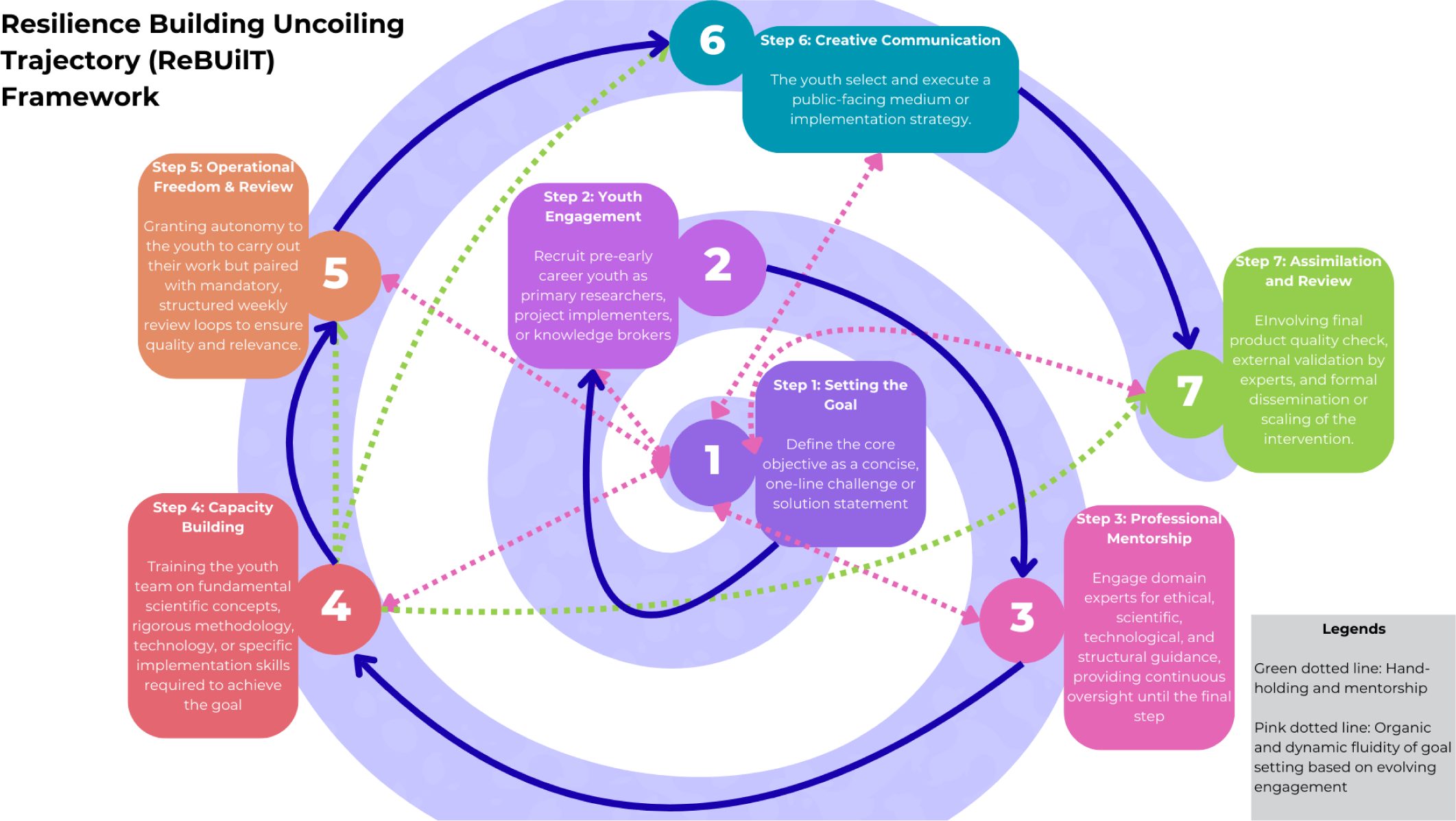
The core mechanism is formalized in the Resilience Building Uncoiling Trajectory (ReBUilT) framework. This is a seven-step progression model designed for systematically planning, implementing, and communicating any form of work related to resilience building, whether it be DRR, climate action, sustainable development or knowledge documentation related to it. The framework is inherently non-prescriptive regarding the final output, focusing instead on the collaborative process and youth empowerment. The steps are designed to move from high-level objective identification to ground-level implementation or creative output. Crucially, while the steps proceed sequentially, the framework is dynamic. At every step after the first, feedback is continuously directed back to the first - Goal Setting step. This mechanism allows the initial objective to be fluidly moulded through collaboration and discovery, ensuring the final output or intervention remains grounded, usable, and relevant.
The term ‘Uncoiling’ is central to this trajectory. Diagrammatically, the framework is conceptualized as an uncoiling spiral, as seen in Fig. 1, placing the Goal Setting at the core, with subsequent steps radiating outward, illustrating the unpacking of complex science or action for the consumption of the larger population. This ‘uncoiling’ movement symbolizes the gradual, systematic revelation of knowledge, ideas, and solutions. It represents the process of a community, led by its young people, gradually shedding conventional or rigid approaches and revealing its inherent, latent adaptive capacities. By blending scientific rigor, innovation, and fresh youth-driven ideas, the framework uncoils the full potential of a project, translating abstract resilience goals into grounded, accepted, and usable real-world benefits.
The steps are:
-
Setting the goal: Define the core objective as a concise, one-line challenge or solution statement (e.g., “Develop an inexpensive heat warning system” or “Reduce agricultural vulnerability to flash floods”).
-
Youth engagement: Recruit pre-early career youth as primary researchers, project implementers, or knowledge brokers.
-
Professional mentorship: Engage domain experts for ethical, scientific, technological, and structural guidance, providing continuous oversight until the final step.
-
Capacity building: Training the youth team on fundamental scientific concepts, rigorous methodology, technology, or specific implementation skills required to achieve the goal.
-
Operational freedom & review: Granting autonomy to the youth to carry out their work, but paired with mandatory, structured weekly review loops to ensure quality and relevance.
-
Creative communication: The youth select and execute a public-facing medium or implementation strategy. This step focuses on ensuring the final work—whether a graphic novel or an advanced warning system—is acceptable and usable by the larger public (i.e., designed for mass adoption, consumption and understanding).
-
Assimilation and review: Involving final product quality check, external validation by experts, and formal dissemination or scaling of the intervention (Fig. 1).
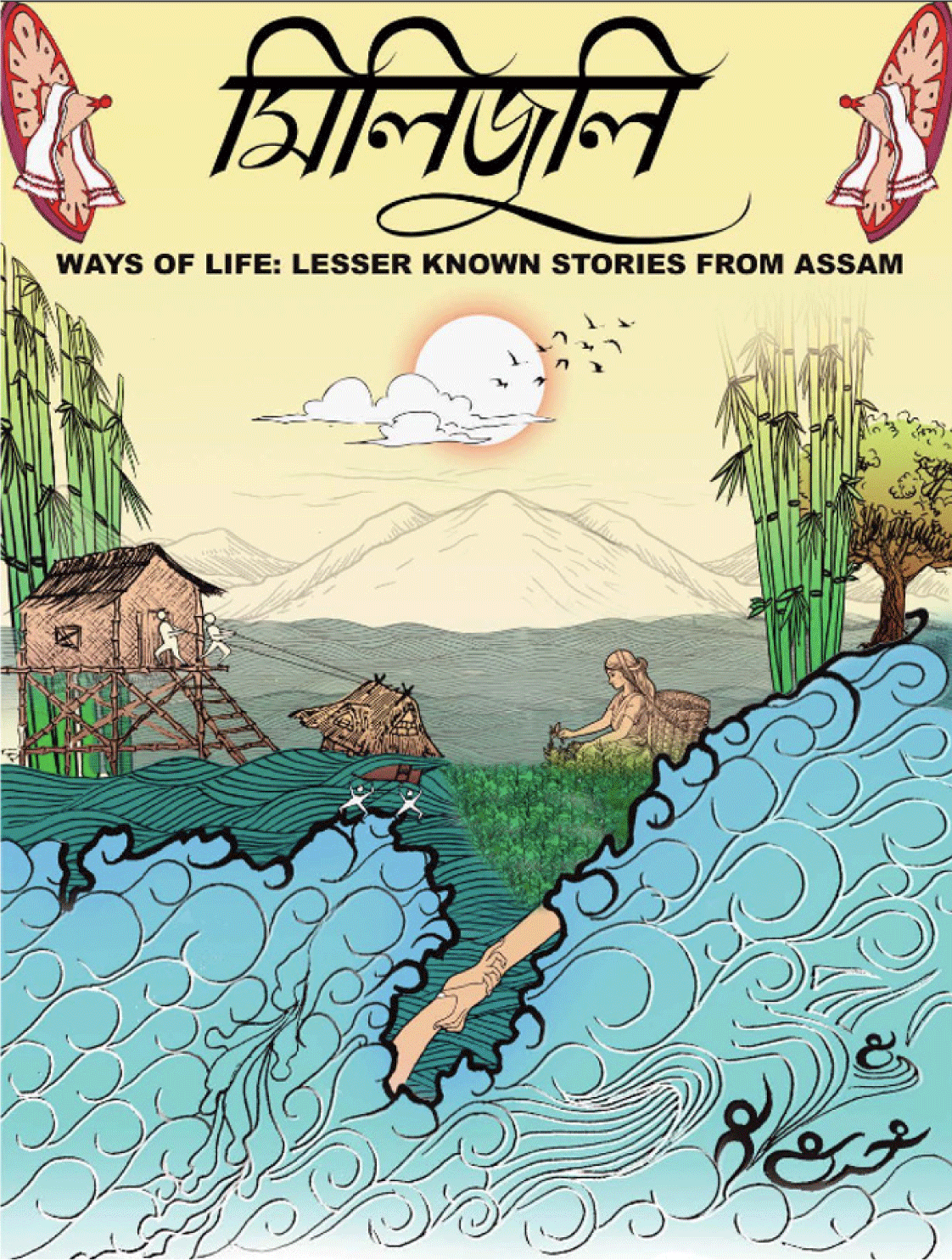
The generic ReBUilT was specifically adapted to the context of Assam, India. This project was supported by International Centre for the Study of the Preservation and Restoration of Cultural Property (ICCROM) under its Culture Cannot Wait: Heritage for Peace and Resilience project, and by the Swedish Postcode Foundation, resulting in the creation of a graphic novel [10]. The graphic novel, titled Mili Juli (meaning ‘working together by supporting each other’ in Assamese), embodies the collaborative and integrated nature of the project’s findings. Mili Juli is the name of the public-facing outcome document, while ReBUilT remains the guiding methodological framework. The name Mili Juli has been chosen to bring in the sense of a product (a graphic novel in this case) for the common people.
The primary adaptations made to the generic ReBUilT model involved targeting and collecting 10 specific cases of indigenous DRR/climate action across Assam, which could showcase the seamless integration of IKS into risk-informed sustainable development practised by the communities (goal setting / setting of goal).
Assam, located in the Brahmaputra valley of Northeast India, was selected as the study site based on both thematic relevance and contextual feasibility. The region presents a critical socio-ecological laboratory due to its high multi-hazard exposure and vulnerability profile and a dense concentration of indigenous communities whose survival historically depends on IKS.
Furthermore, the selection was guided by the operational constraints of the COVID-19 pandemic during the project’s inception in 2020. To ensure methodological continuity and safety, the study leveraged established social capital and institutional ties with The Assam Royal Global University. This strategic partnership provided a localized academic network that facilitated the recruitment of a youth cohort already embedded within the cultural and geographic context of the study. Such proximate researchers are essential in practical action research (PAR) to minimize the power imbalance between external investigators and the community while ensuring logistical resilience during periods of global disruption.
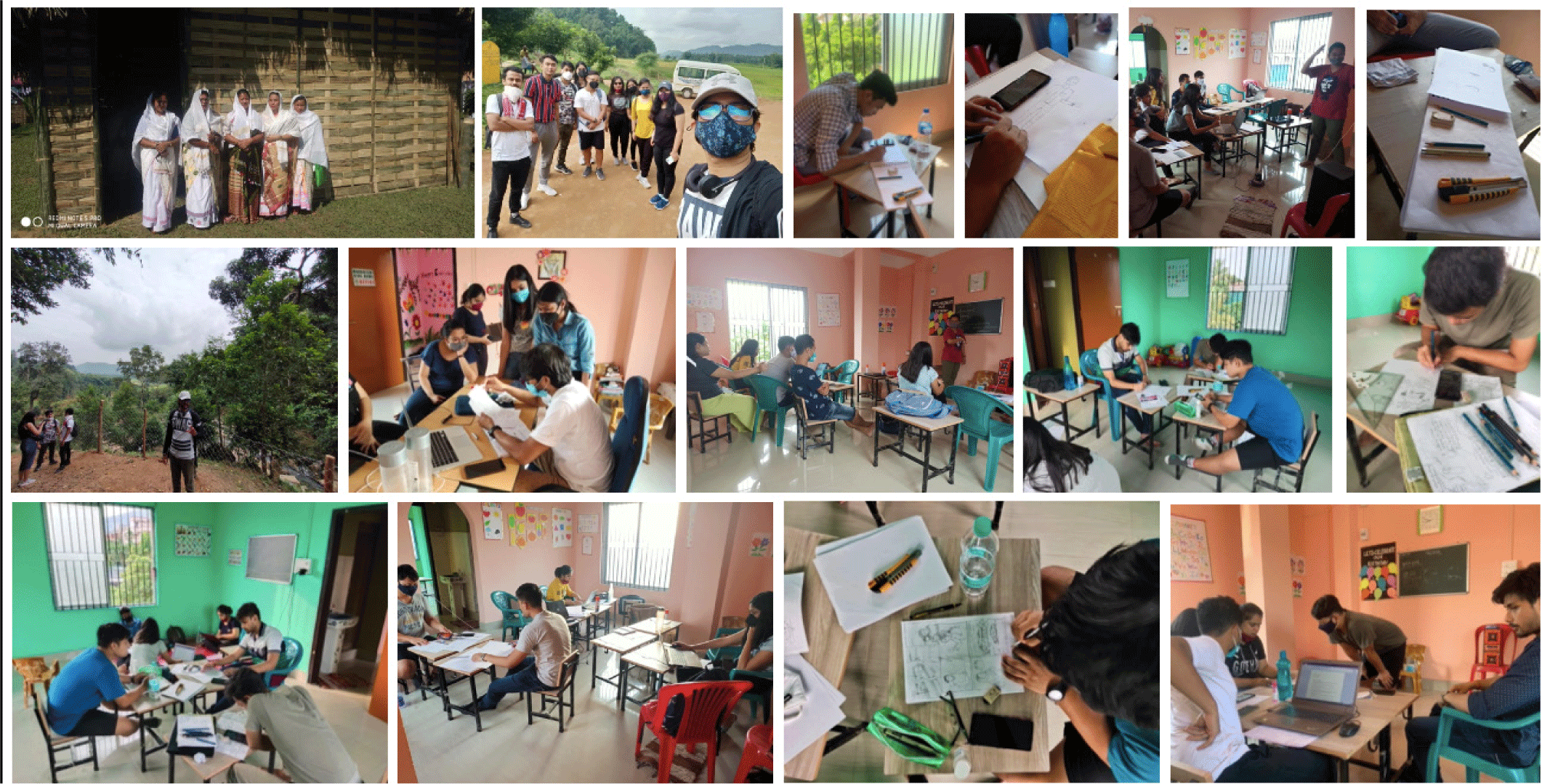
For the second step - Youth Engagement – in the framework, following the initial goal-setting phase of the ReBUilT framework, the study established a local implementation team through the extended academic network of The Royal Global University, Assam. The cohort comprised 11 undergraduate and graduate students recruited as ‘youth researchers,’ representing diverse disciplines including Architecture, Social Sciences, and Economics. To ensure cultural sensitivity and academic rigor, three Assistant Professors from the same institution were engaged as mentors, providing contextual, geographical, and methodological guidance throughout the process (Fig. 2).
To ensure the team was well-versed in the ideologies of disaster risk management and risk-informed sustainable development, a cohort of five young professionals was integrated into the project structure. This professional tier served a dual purpose:
-
Communication integration: One professional was elevated to the faculty mentorship tier (assistant professors) to act as a linguistic and conceptual bridge, ensuring free-flowing communication and preventing ‘losses in translation’ between senior academic mentors and the student researchers.
-
Capacity building: The remaining four professionals occupied a supportive role at the foundational level of the process. Transitioning strictly from experts to facilitators, they focused on building the technical capacity of the student team and providing guidance without administrative imposition.
Under this PAR approach, the researchers transitioned from experts to facilitators, while the youth acted as co-researchers. Decision-making was decentralized through bi-weekly ‘Synthesis Circles’ where youth leads, supported by faculty and professional mentorship, determined which IKS practices resonated most with their peer demographic.
To maintain a continuous phase of knowledge enhancement, the team participated in weekly synthesis meetings preceded by foundational online workshops. This capacity-building strategy was two-fold: for participants from non-specialized backgrounds, the focus was on the fundamentals of DRR and climate action; for those already possessing a background in disaster management, the workshops facilitated an interdisciplinary shift, encouraging them to assimilate diverse peer perspectives and correlate theoretical frameworks with field-based indigenous logic.
Operational freedom was a cornerstone of the methodology, particularly during the multi-layered data collection process:
-
Familial ethnography: To preserve cultural integrity, youth researchers first documented stories and traditional risk-reduction practices from elders within their own families. These narratives were logged into a centralized digital database for weekly peer review.
-
Scientific validation: The second layer involved secondary research to identify scientific parallels or evidence to validate the traditional practices identified in the first step.
-
Key informant interviews: Upon validation, the team sought local contacts to conduct semi-structured interviews with key community practitioners of these specific traditions.
This intensive, three-tiered screening process resulted in the final selection of 10 primary cases. Throughout this journey, the youth researchers maintained full agency; the weekly synthesis meetings served as a collaborative steering mechanism rather than a top-down review, ensuring that guidance was provided without compromising the team’s operational autonomy.
Crucially, the Creative Communication step was adapted to a mandated medium: Graphic Novel featuring characters who travel across Assam to reveal the cases, which directly addresses the intergenerational communication gap through a highly visual, emotionally engaging, and portable format. Finally, the Assimilation step defined the final product as the Mili Juli (a graphic novel containing the narratives), clearly establishing the deliverable format required for public dissemination (Fig. 3).
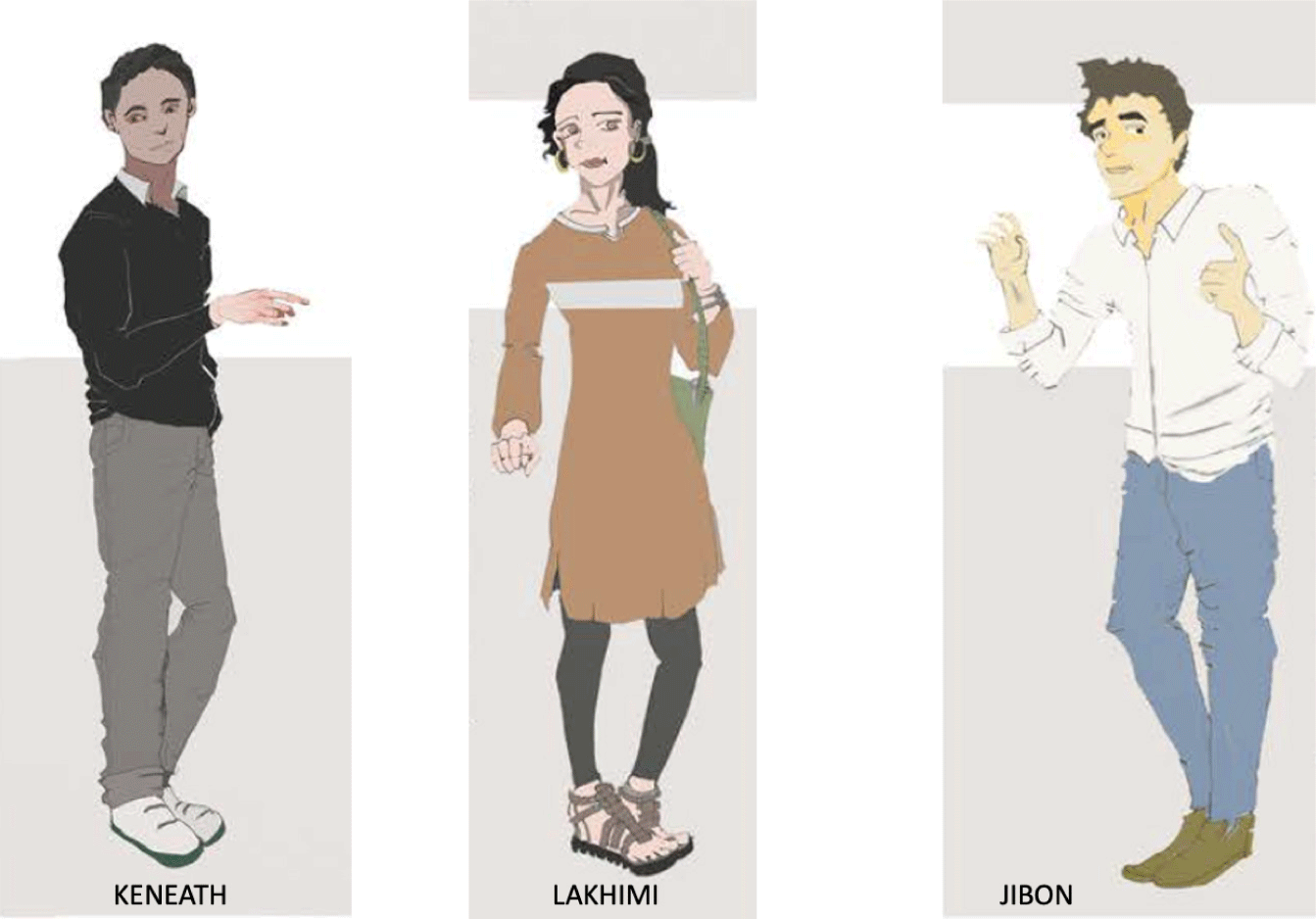
To make the findings accessible, the output (the Mili Juli Handbook) utilizes a narrative device involving three distinct characters [29]. The first is Keneath, a DRR Ph.D. scholar representing the technocratic and scientific worldview, often skeptical of social dimensions. The second is Lakhimi, a social worker and research scholar who represents deep-rooted traditional knowledge and indigenous advocacy. The third character, Jibon, is a local entrepreneur involved in relief activities, representing the bridge between tradition and modern economic viability. Through the interactions and differing viewpoints of these characters, the study explores the ten specific cases across Assam (Fig. 4).
Output: The Mili Juli Handbook (Case Studies)
The application of the framework resulted in the documentation of ten distinct narratives from Assam, each highlighting a specific aspect of indigenous resilience.
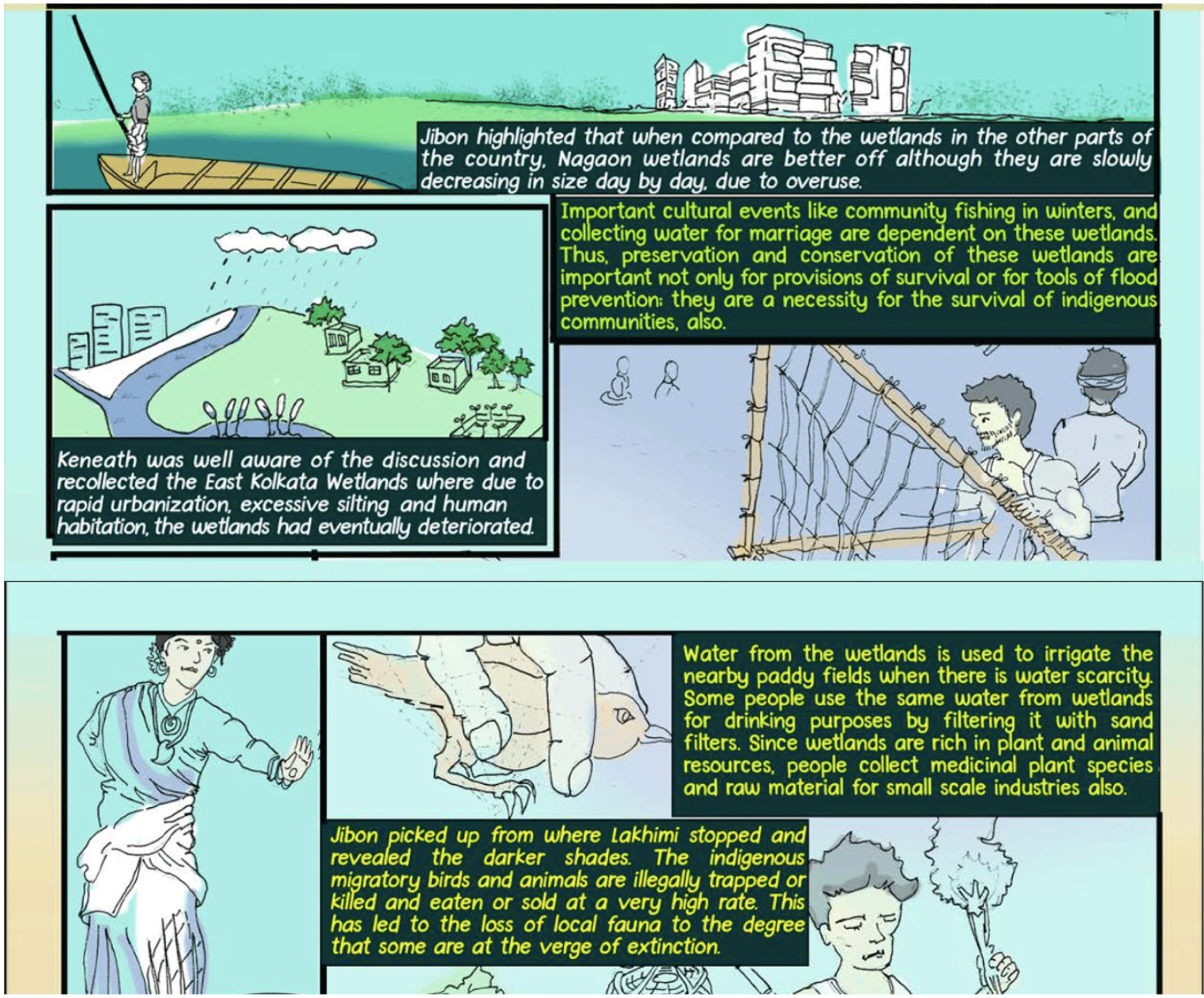
The Nagaon district is characterized by numerous beels (wetlands) that are vital to the local ecology [32] but have faced chronic encroachment and degradation [33,34]. The problem faced by the community is increased flood intensity due to the reduction of natural flood retention areas, compounded by the loss of biodiversity and local livelihoods dependent on the wetland ecosystem. The IKS strategy involves local communities enforcing traditional regulations regarding fishing and resource extraction, recognizing the wetlands’ essential role as natural sponges during the monsoon and managing fringe areas to sustain this natural buffer function. This practice is aligned with the celebrated approach of Eco-DRR, as it utilizes the inherent ecological function of wetlands (floodwater absorption, sedimentation management) as a cost-effective, non-structural solution to disaster mitigation, aligning with sustainable natural asset management principles. While this approach is very common and practised as a part of daily life, the importance of it, scientifically, is not truly appreciated by the community as well as the youth. By highlighting this case, the intention was to position such ‘usual’ practices as important to the communities and the youth and not something to be discarded at the wake of technological interventions (Fig. 5).
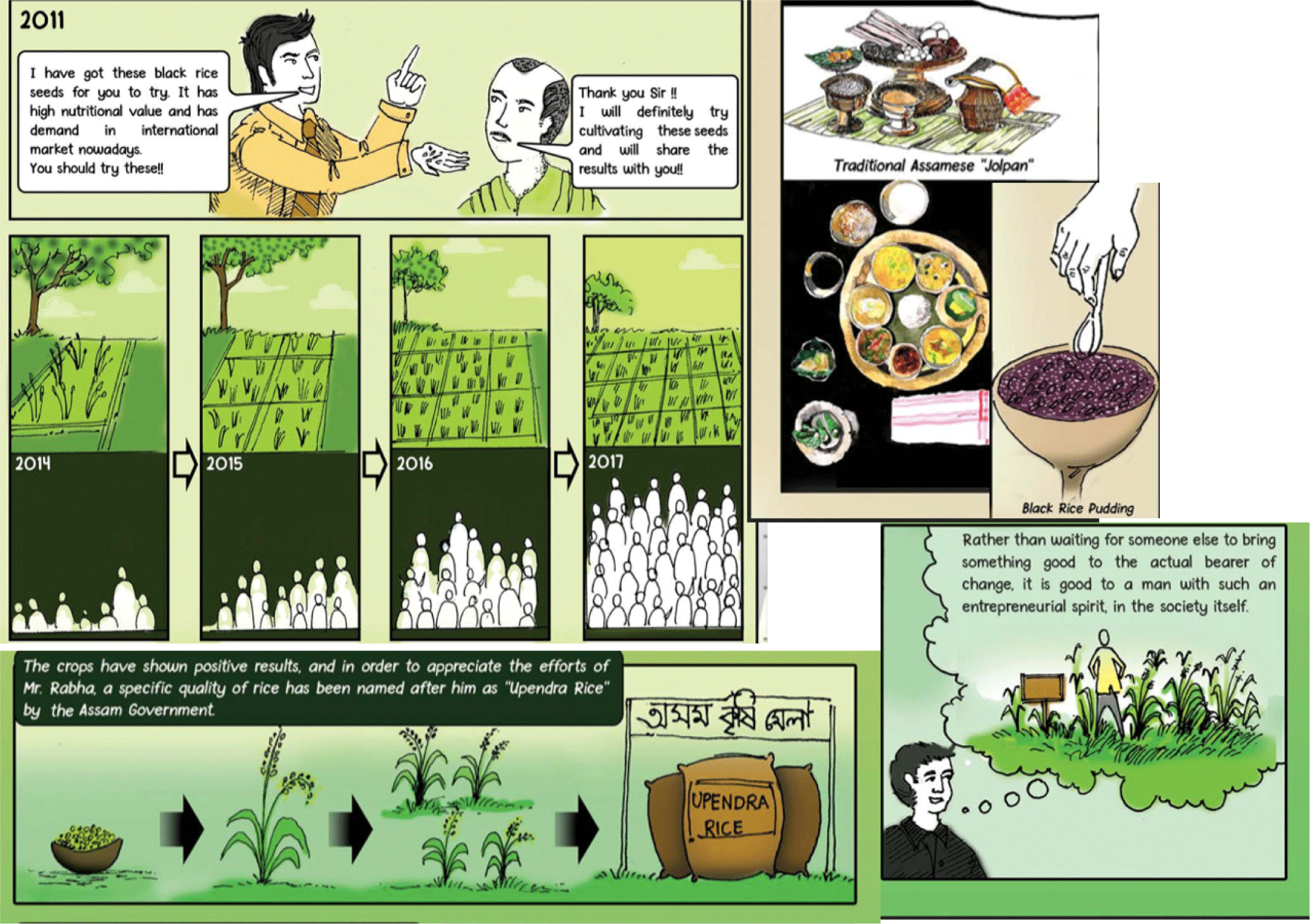
Agricultural communities in Goalpara face recurring challenges from climate variability, particularly untimely flash floods and dry spells [35,36] that stress standard rice varieties [37]. The problem is fragile food security and economic instability resulting from the vulnerability of conventional high-yield crop varieties to climate shocks and extreme weather events. The IKS strategy is the cultivation of Kola Bora (black sticky rice) and other indigenous, hardy rice strains [38]. These varieties are highly resilient to water logging and submersion, allowing for post-flood recovery and ensuring crop survival in challenging conditions [39]. Academic articles talk about agrobiodiversity and climate-smart agriculture (CSA), to provide resilient food systems, but rarely found are documents which makes the community and youth celebrate and appreciate such inherent practices (Fig. 6).
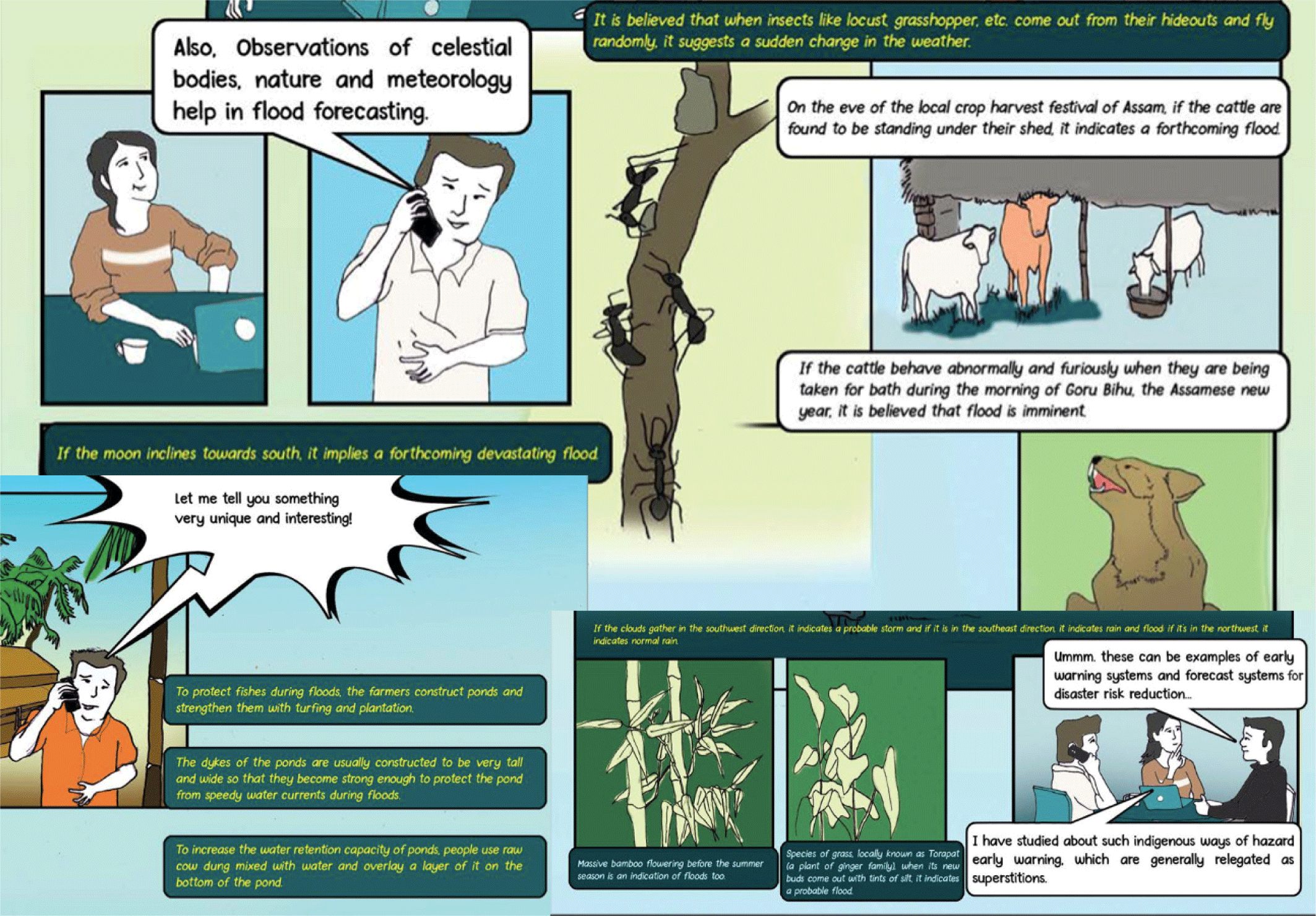
Dhemaji, located near the Brahmaputra River, is acutely susceptible to flash floods with rapid onset times [40], often rendering centralized, technological warning systems ineffective at the village level [41]. The core problem is the lack of timely, localized warnings for communities living in vulnerable areas, resulting in higher human and livestock losses during sudden flood events [42]. The IKS strategy involves communities relying on ethological indicators and meticulous observation of natural patterns, including specific changes in wind direction, cloud formation, and, crucially, the behavior of local animals (e.g., ants moving their eggs to higher ground, certain bird calls). Such Ethno-meteorology and Local and Indigenous Knowledge are found only in examples [43], pretty distant to the youth in India. Providing a practical example of utilizing intergenerational, accumulated experiential data to create highly contextualized, hyper-local community-based warnings should ideally inspire youth and communities to innovate and perhaps local or regional meteorological services can build on such information to design forecast models that offer crucial lead time (Fig. 7).
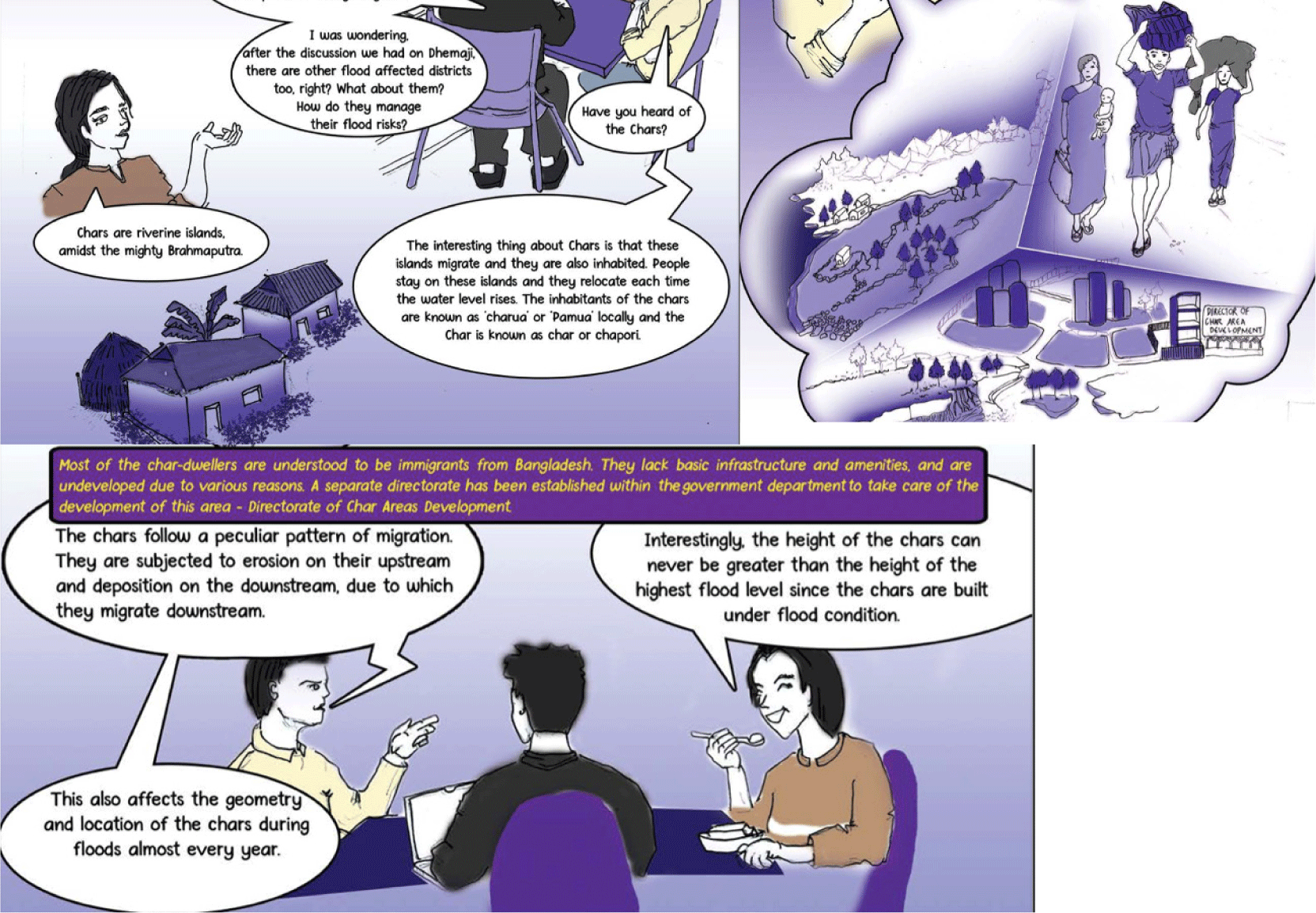
The Char (river island) communities in Barpeta live on constantly shifting, impermanent landmasses, facing chronic river bank erosion and relocation necessity [44]. The problem is chronic physical vulnerability and asset loss due to the highly dynamic and geomorphologically unstable nature of the river channels, necessitating frequent and unpredictable movement. The IKS strategy is the development of modular, lightweight housing designs using bamboo and local reeds. These structures are built to be quickly dismantled, transported across the river or island, and re-erected in a new, safer location with minimal material loss and labour. This strategy is linked to the concepts of adaptive capacity and non-structural DRR Measures, as the housing design embodies a behavioural and physical adaptation to chronic hazard exposure, demonstrating flexible and mobile settlement planning that prioritizes process over permanence, directly enhancing community adaptive capacity. Such real-life examples, when brought to youth, can inspire innovation of disaster shelters (Fig. 8).
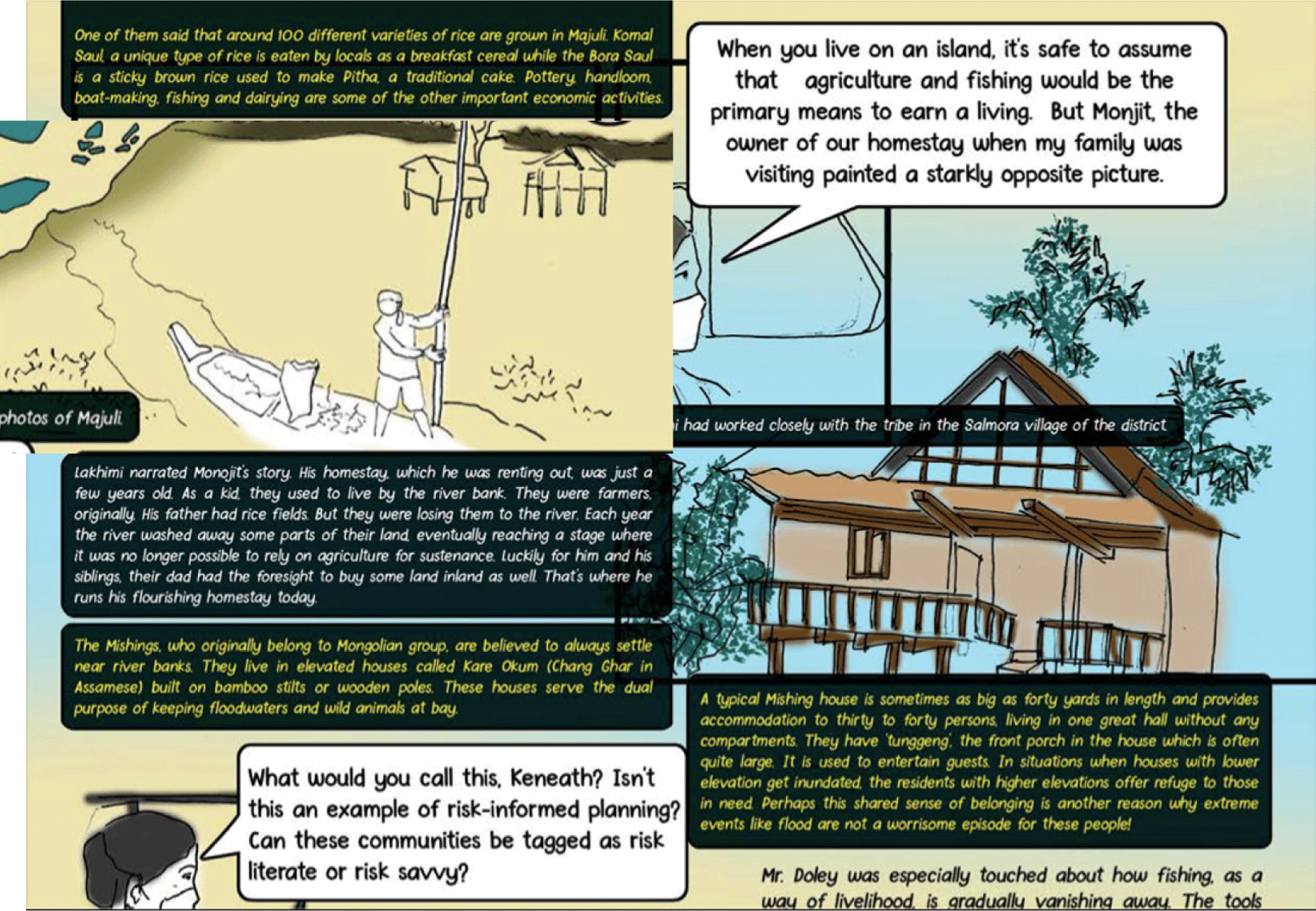
Majuli, the world’s largest river island, experiences seasonal inundation, making traditional ground-level construction impractical and prone to disease [45]. The specific problem is the high physical vulnerability of dwellings to annual unpredictable flooding, leading to structural damage, displacement, and increased incidence of waterborne diseases. The IKS strategy is the construction of the Chang Ghar (stilt house), built on elevated platforms (stilts) typically 5–7 feet above ground using durable local bamboo and timber, which lifts the habitable space above the predictable flood level. This example is an addition to the existing volumes of literature on Vernacular Architecture and Passive Structural Mitigation [46]. This practice is a classic example of living with floods, where structural design is intrinsically adapted to the hazard context, reducing physical vulnerability (exposure) through culturally appropriate, low-cost bio-engineering. While youth are made to appreciate such structures outside India (e.g., Thailand, Cambodia etc.), through the Mili Juli handbook an attempt was made to make such examples be positioned close to mind and heart (Fig. 9).
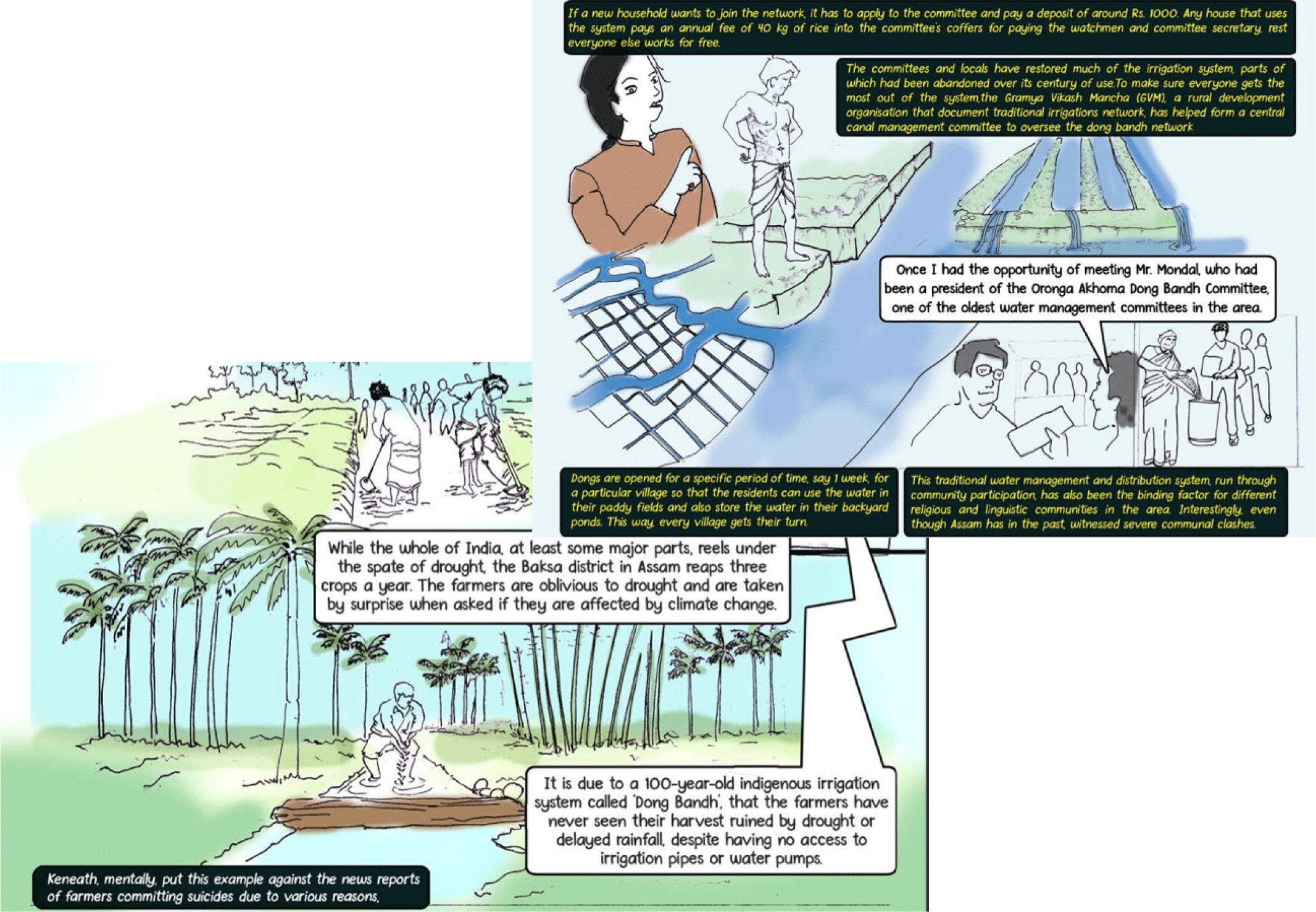
The Bodo community in Baksa relies heavily on irrigation for agriculture but faces challenges in water access equity, especially during prolonged dry spells [47]. The problem is water scarcity and unequal distribution of water resources during non-monsoon periods, leading to conflict and reduced agricultural productivity, thereby increasing livelihood vulnerability [48]. The IKS strategy is the Dong system, an indigenous gravity-fed canal network meticulously maintained and managed by a collective community body, where decisions on water allocation and maintenance labour are made via consensus, ensuring equitable access [49,50]. This is academically linked to the common-pool resources (CPR) Theory. This self-organized system directly follows the design principles laid out by Elinor Ostrom [51,52] for successful CPR management, ensuring sustainability, preventing overuse, and maintaining collective action, all vital components of community-based disaster risk management. In this era of resource scarcity, such examples celebrate communities dedicated to managing resources, opening up avenues, based on such examples, to be deployed for similar but different resources (Fig. 10).
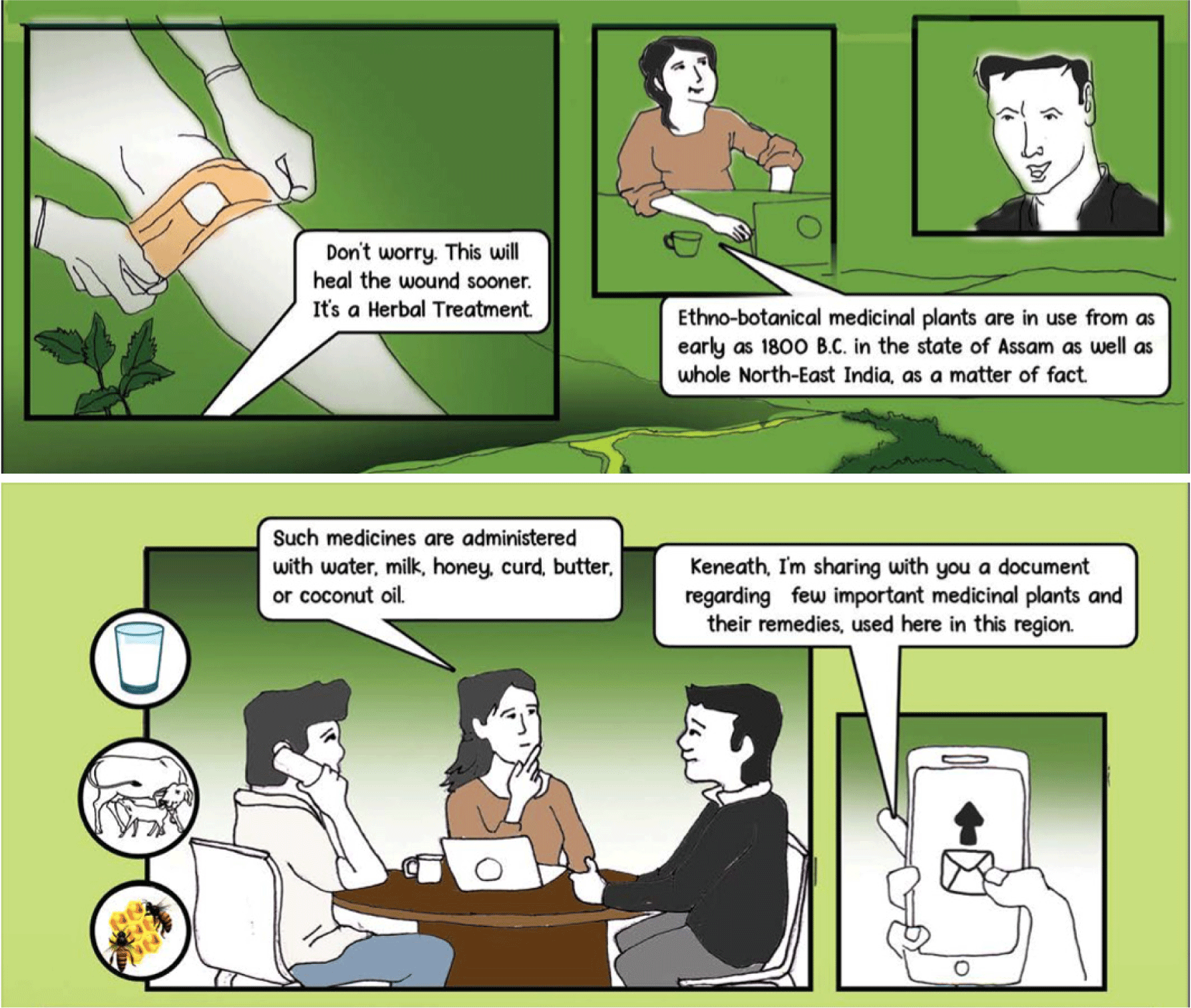
During and immediately following major flood events, formal healthcare access is severely disrupted, and the risk of waterborne diseases and infections spikes dramatically. The problem is compromised public health security due to the breakdown of formal medical supply chains and infrastructure during disaster response phases. The IKS strategy is Traditional knowledge of Ethnobotany—the use of local medicinal and herbal plants for immediate treatment of common ailments (fever, dysentery), wound care, and snake bites, which ensures a localized, immediate primary care resource. This practice contributes to resilience in public health through Ethnobotany [53], acting as a culturally embedded, redundant health system that enhances the community’s capacity to absorb and recover from health shocks during a crisis, thereby improving overall recovery resilience. Such examples champions the use of traditional knowledge based medicines even against pandemics [54] (Fig. 11).
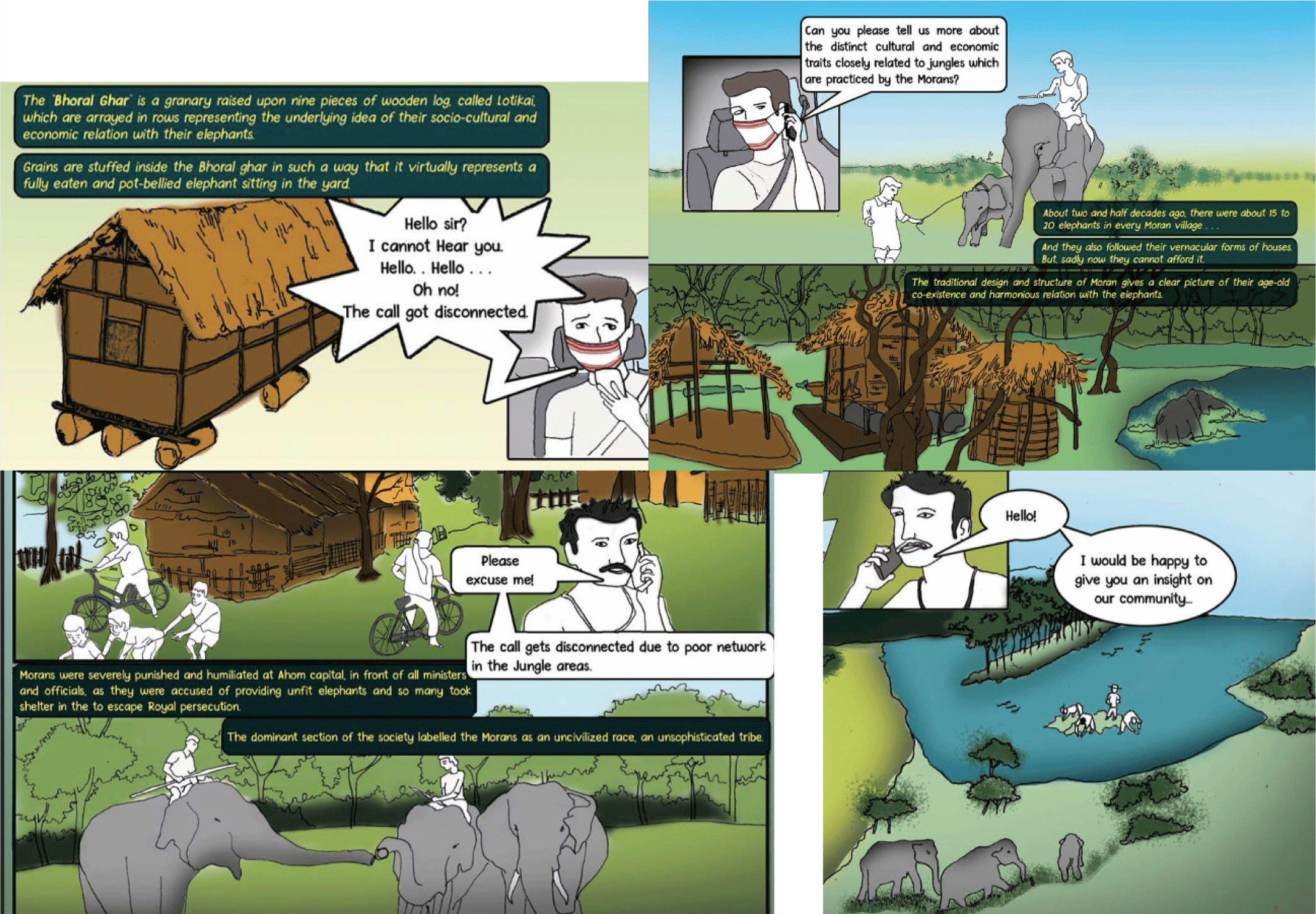
The Moran communities, historically closely tied to the forest [55], are exposed to increasing ecological threats such as soil erosion and reduced forest cover [56]. The problem is increased ecological vulnerability (landslides, erosion) and unsustainable pressure on natural resources resulting from changes in land-use patterns and deforestation. The IKS strategy is maintaining traditional spatial planning and land-use practices that respect forest boundaries and ecological corridors. Their settlement design promotes sustainable collection of forest products rather than destructive clear-cutting, thereby maintaining biodiversity. The practice exemplifies the principle of human-nature coexistence - Traditional Ecological Knowledge, where cultural tenets guide land stewardship. This deep-rooted ecological literacy contributes directly to landscape resilience and natural hazard mitigation [57] (Fig. 12).
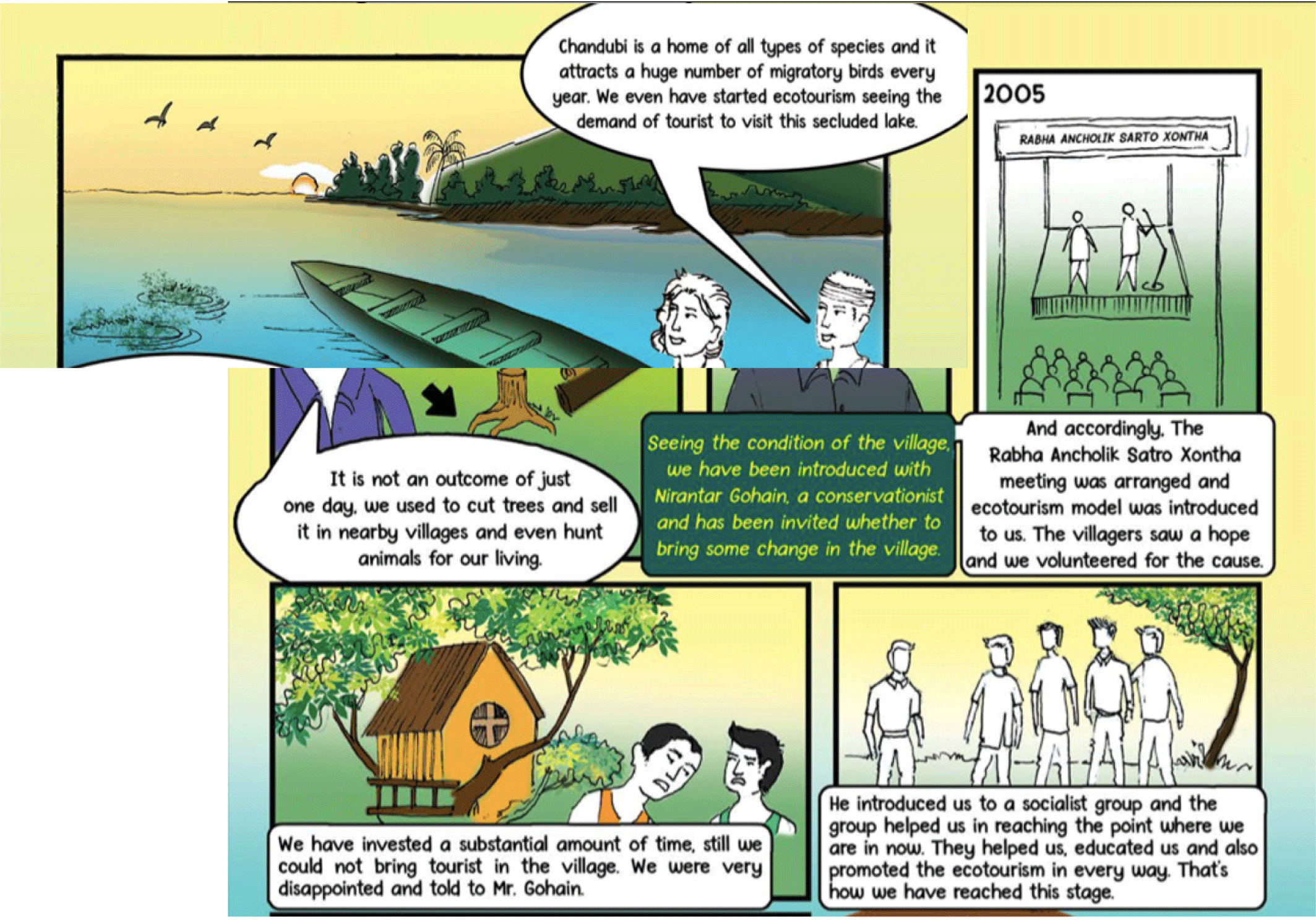
The community in Jhoramukhuriya previously relied heavily on climate-sensitive livelihoods, leaving them exposed to single-point failure in the face of erratic weather [58]. The specific problem is economic vulnerability stemming from over-reliance on a single, climate-exposed livelihood (e.g., subsistence agriculture), making the community economically fragile to climate variability. The IKS strategy is a community-led initiative to diversify income through sustainable eco-tourism. This involves showcasing traditional knowledge, local biodiversity, and cultural heritage, thereby creating a non-climate-dependent income stream. This is linked to the sustainable livelihoods framework [59], as intentionally developing the financial and social capital components through tourism reduces the community’s overall sensitivity to agricultural shocks, thereby strengthening its economic resilience [60] (Fig. 13).
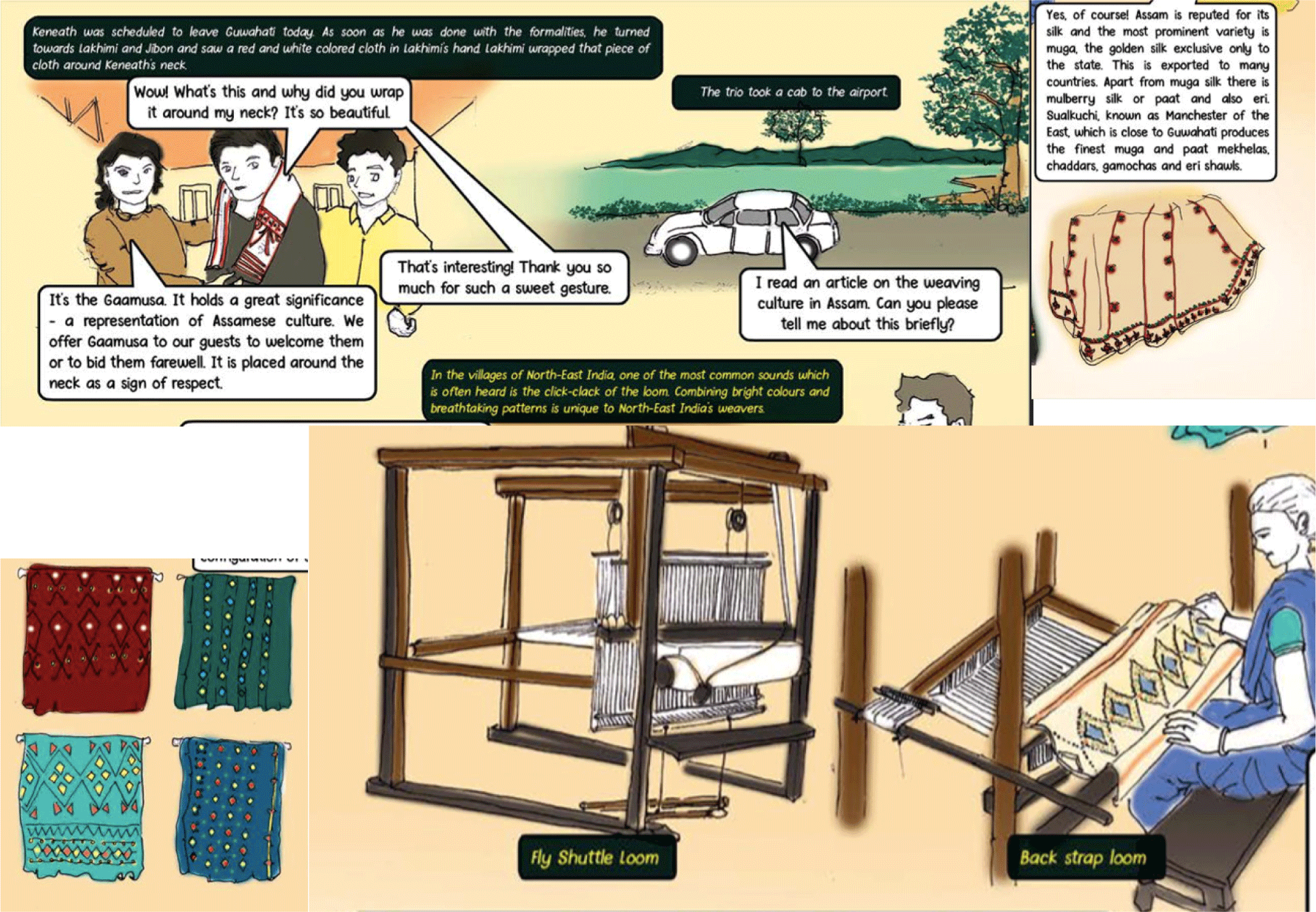
The rearing of silk (Muga and Eri) is highly sensitive to climate conditions [61,62], threatening the cultural and economic stability of Assamese handloom weaving [63,64]. The problem is that climate change impacts (e.g., temperature spikes, erratic rainfall) directly threaten the raw material supply (silk) and the economic viability of the traditional weaving industry. The IKS strategy is the persistent cultural value and emotional attachment to traditional hand-loom weaving techniques. This craft, though facing economic headwinds, serves as a stable, decentralized, and low-energy livelihood that preserves cultural identity and provides a social coping mechanism. This Cultural Resilience of practising this Intangible Cultural Heritage (ICH) despite external pressures, enhances the community’s social capital and cultural capital. This cultural loyalty serves as an anchoring force and an economic buffer, demonstrating the link between ICH and livelihood stability (Fig. 14).
The analysis of the ten cases documented in the Mili Juli handbook reveals a sophisticated, interconnected architecture of resilience that transcends individual community boundaries. Rather than existing as isolated folk traditions, these practices demonstrate an integrated response to environmental stressors through three core resilience elements: temporal adaptation, structural redundancy and communal governance.
Temporal adaptation is best exemplified by the synchronization of socio-economic life with the ecological pulse of the Brahmaputra basin. In the case of the Muga silk cycle and traditional agrarian calendars, the community does not attempt to override the environmental rhythm but instead aligns its livelihood activities to coincide with periods of lower risk. This reflects a deep understanding of seasonal volatility, where resilience is achieved by allowing human systems to be fluid rather than static.
Structural redundancy and passive mitigation are evident in the vernacular architecture of the Chang Ghar. By utilizing indigenous materials like bamboo and thatch, these structures are designed to be sacrificeable and easily replaceable. This approach represents a paradigm shift from modern hard engineering, as it accepts the inevitability of loss during extreme flood events and prioritizes the ability to recover rapidly over the attempt to remain completely impervious. The design inherently accommodates the floodwaters, demonstrating a philosophy of living with water that is scientifically convergent with modern amphibious architecture.
Finally, the element of communal governance provides the social glue that operationalizes these technical practices. The Dong system of water management serves as a primary example of a CPR model where resilience is maintained through rigorous social contracts and collective maintenance. This synthesis suggests that indigenous resilience in Assam is not merely about physical survival but is rooted in a collective cultural consciousness. By integrating these diverse cases, it becomes clear that the youth-led documentation process has visualized a holistic system where social equity, ecological attunement, and structural flexibility converge to mitigate disaster risk in a cost-effective and culturally grounded manner.
Discussion
The ReBUilT framework proved to be a successful and adaptable methodological tool for the MMili Juli project, demonstrating its robustness in translating abstract resilience goals into concrete, youth-led outputs. The generic seven-step progression was meticulously adapted to the specific context of Assam, ensuring the final deliverable was both scientifically sound and culturally resonant.
The project commenced with goal setting / setting of goal, where the broad objective of bridging the IKS-DRR knowledge gap was immediately grounded by targeting 10 specific, geographically diverse cases of indigenous resilience across Assam, thus defining the quantifiable scope. This was followed by Youth Engagement, which recruited pre-early career youth from Guwahati. This provided the project team with both foundational academic knowledge and essential regional context, thereby positioning them as active researchers and “knowledge brokers” who could effectively interact with local communities.
The following steps focused on reinforcing the project’s intellectual and structural integrity. Professional Mentorship involved engaging domain experts in social sciences, DRR policy, and cultural heritage to provide continuous oversight, ensuring ethical and scientific rigor throughout the documentation process. This structural guidance was complemented by capacity building, which equipped the youth team with the necessary skills for systematic fieldwork, data collection, and narrative construction, reinforcing the project’s scientific credibility and ability to conduct rigorous research.
The iterative refinement phase was critical for quality control. Operational freedom & review granted the youth autonomy in their research and documentation, but paired this freedom with mandatory, structured weekly review loops. This practical application of the ‘Uncoiling’ metaphor ensured the project remained dynamic and accountable, enabling the team to iteratively refine their research and creative output, successfully translating the abstract goal of resilience advocacy into a grounded, culturally accepted, and usable real-world product.
The culmination of the framework was creative communication, where the final output was mandated as the graphic novel (the Mili Juli Handbook). This choice was specifically engineered to disrupt the status quo, utilizing Narrative Transportation Theory through the device of the three characters—Keneath, Lakhimi, and Jibon—to translate complex IKS and DRR concepts into a lucid, emotionally engaging, and universally digestible narrative. Finally, the assimilation and review step involved the final product quality check, external validation, and formalized the successful dissemination of the graphic novel as the core deliverable.
By empowering youth to lead the documentation and communication effort across all seven steps, the ReBUilT framework successfully created the necessary “soft infrastructure” for revitalizing the intergenerational transfer of resilience wisdom, directly addressing the knowledge erosion gap identified in the literature review.
The ten case studies documented in the Mili Juli Handbook reveal a unified conclusion - IKS in Assam functions as a sophisticated, integrated, and scientifically convergent system of adaptive governance.
The documentation confirms that IKS in Assam is characterized by an intrinsically embedded collective cultural consciousness, which acts as an inherent form of risk literacy. Resilience, as observed in communities using ethological early warnings (Dhemaji) or community-enforced resource management (Nagaon beels), is not a result of external policies but a self-regulating mechanism within the SES that demonstrates highly accurate, multi-generational, and hyper-local risk knowledge. Importantly, these traditional practices exhibit a strong scientific convergence with modern DRR principles. Strategies such as the use of Chang Ghars (vernacular architecture/passive structural mitigation), the Dong system (CPR theory), and the cultivation of Black Rice (agrobiodiversity/CSA) confirm that IKS offers evidence-based, low-cost, and context-specific complements to conventional, hard-infrastructure solutions.
The case studies further highlight the communities’ remarkable adaptive capacity and transformability. For instance, the mobile, lightweight housing of the Char settlements in Barpeta demonstrates a high degree of transformability—the ability to continuously reform the system in response to the changing physical environment (shifting river channels)—which ensures minimal asset loss and continuous community viability. Finally, the findings underscore the vital role of cultural and economic resilience buffers. The persistence of traditional hand-loom weaving (Section 4.10) and the strategic shift to eco-tourism (Section 4.9) illustrate how non-climate-dependent income streams and cultural anchors enhance a community’s social and financial capital. This cultural loyalty and livelihood diversification collectively serve as an economic buffer, significantly strengthening the community’s overall resilience against climate-related economic shocks.
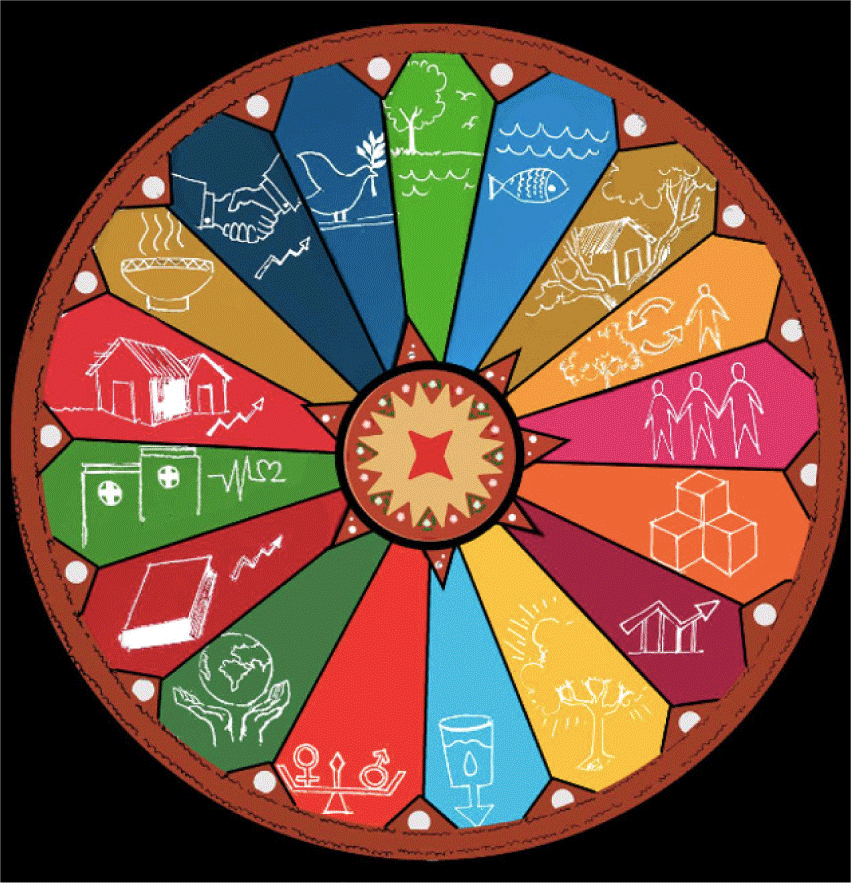
The findings lead to the ‘Japi’ metaphor, visualizing the necessary structure for integrated development. The centre of the Japi represents Resilience, acting as the singular, foundational core. The bamboo framework constitutes the Sectors (analogous to the seventeen the sustainable development goals [SDGs]), and the cultural values (IKS) are the knitting that binds them. This model posits that development wherein the achievement of the SDGs is knit together by the central tenet of resilience ensures systemic protection against exogenous climate shocks and chronic risks (the “sun and rain”), thereby ensuring robust continuity and sustainable development.
Conclusion and policy implications
The Mili Juli project, operationalized through the ReBUilT framework, indicates the significant potential for IKS in Assam to serve as scientifically convergent complements to modern DRR. By engaging youth as knowledge brokers, the project presents a compelling case for narrative-based communication as a means to visualize and bridge intergenerational knowledge gaps. While the study does not provide definitive longitudinal proof of increased risk perception, it demonstrates that youth-led documentation can effectively surface the collective cultural consciousness of a community as a primary asset in resilience building.
For policy frameworks to achieve sustainable development, it is essential to move beyond viewing IKS as anecdotal folklore. Rather, evidence from this study—such as the Dong system’s CPR management or the Chang Ghar’s passive mitigation—suggests that systematic documentation and institutionalization of IKS within formal disaster management plans could provide context-specific, low-cost resilience strategies. The ReBUilT framework offers a replicable methodology for other regions seeking to conduct youth-driven documentation of intangible cultural heritage. Recognizing indigenous resilience not merely as a social variable but as an inherent cultural propensity is a critical step toward inclusive policy design, ensuring that community-specific wisdom is utilized in the pursuit of the SDGs.


