

Introduction
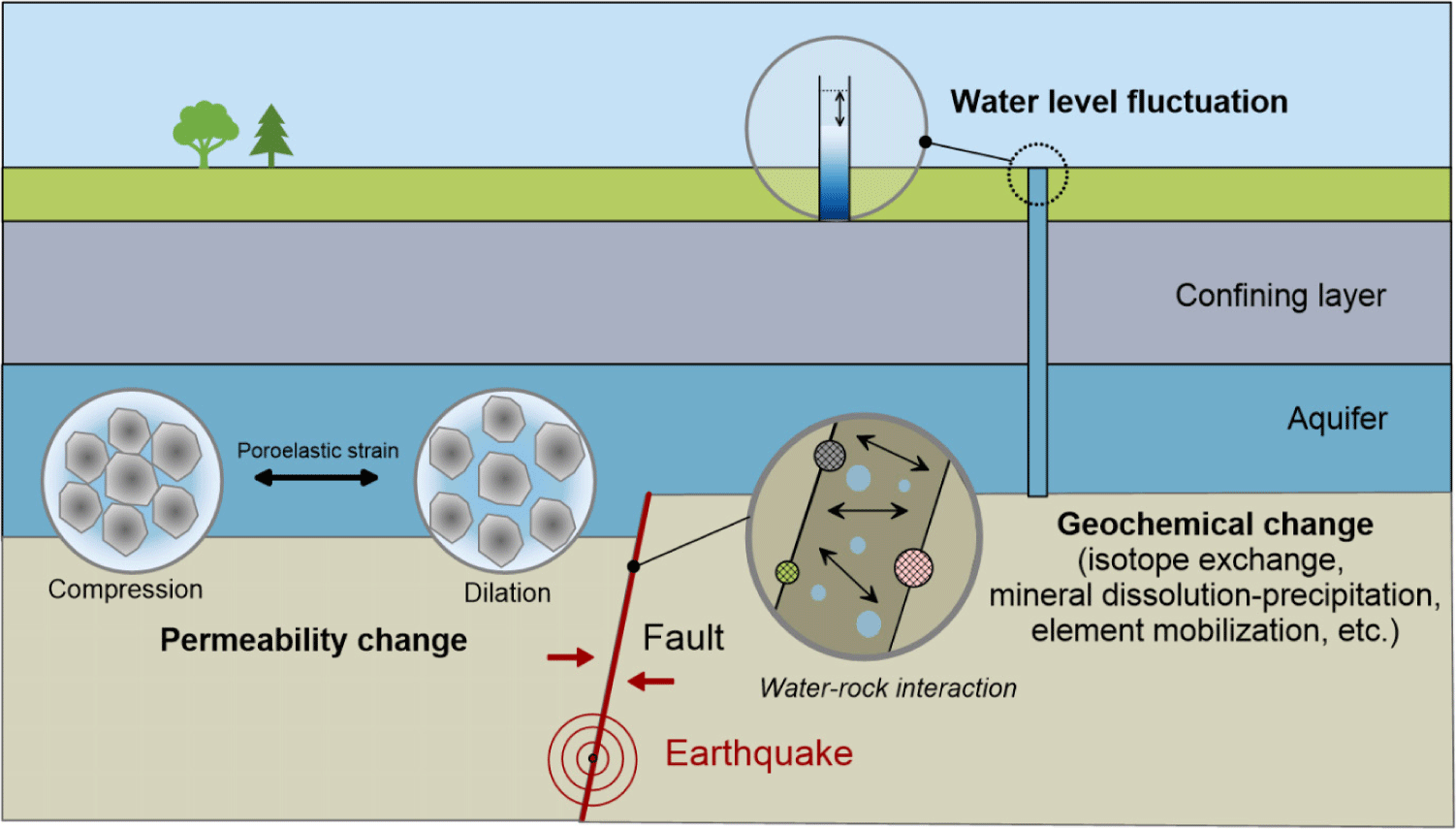
Earthquakes generate widespread physical disruption within the subsurface, altering the structural and hydraulic properties of geological materials and influencing groundwater systems [1]. While numerous studies have examined hydrological responses such as groundwater‐level changes, pore-pressure fluctuations, and liquefaction, recent research has increasingly focused on hydrogeochemical signatures generated by seismic events and their potential to illuminate subsurface processes [2]. Observed geochemical anomalies include changes in major and trace ion chemistry, dissolved gas concentrations (He, Rn, CO2, CH4, and H2), isotopic compositions (δ13C–DIC, δ18O, δ2H, and 3He/4He), and redox-sensitive compounds, often recorded before, during, or after major earthquakes [3–5]. These variations reflect dynamic interactions among mechanical rock deformation, enhanced permeability, fluid–rock interaction, and deep fluid migration stimulated by seismic activity (Fig. 1) [6,7].
Recent progress in high-frequency monitoring and analytical instrumentation has increased the ability to detect subtle hydrogeochemical signals associated with crustal deformation. Continuous multi-parameter groundwater observatories have revealed transient anomalies in radon, helium, hydrogen, major ions, and isotopes that are difficult to attribute to hydrological or climatic drivers alone [8,9]. These technological advances, combined with increasing evidence of chemical precursors prior to seismic rupture, have stimulated growing interest in the potential use of hydrogeochemical indicators for understanding subsurface processes and for contributing to multi-parameter seismic monitoring frameworks [10,11].
Understanding the generation mechanisms and temporal characteristics of earthquake-related geochemical signals is critical because such anomalies can serve as valuable indicators of subsurface change. These signals may also have broader implications for groundwater resource security, environmental risk evaluation, and crustal fluid circulation [12,13]. Although promising evidence supports the hypothesis that hydrogeochemical signals may act as precursors or early indicators of seismic processes, significant uncertainties remain. These uncertainties arise from variability among geological settings, monitoring limitations, and interference from non-seismic forcing factors such as seasonal recharge or anthropogenic disturbances [4,14]. This review synthesizes current knowledge on earthquake-induced geochemical responses within groundwater systems, with a focus on elucidating the mechanistic coupling between seismic deformation, permeability changes, fluid migration, and geochemical reactivity. We identify and evaluate the processes responsible for generating chemical and isotopic anomalies, compare observational case studies from major earthquakes globally, and assess advances in monitoring and analytical technologies that enable detection of transient hydrogeochemical signals. By establishing a unified conceptual framework and highlighting critical knowledge gaps, this review provides direction for future research aimed at improving the interpretation and practical application of hydrogeochemical indicators in understanding subsurface responses to earthquakes.
Physical Processes Enabling Geochemical Changes During Earthquakes
Earthquakes induce a broad range of physical disturbances within the crust that modify subsurface hydraulic and structural conditions, thereby enabling geochemical and isotopic anomalies to develop in groundwater. Seismic stress perturbations cause deformation of rock matrices through micro-fracturing, dilation of pre-existing faults, and reactivation of fracture networks, fundamentally reshaping pore geometry and interconnected flow pathways [15,16]. The creation of new reactive mineral surfaces enhances water–rock interaction kinetics, accelerating mineral dissolution and isotopic exchange that contribute to detectable chemical variation following seismic events [17].
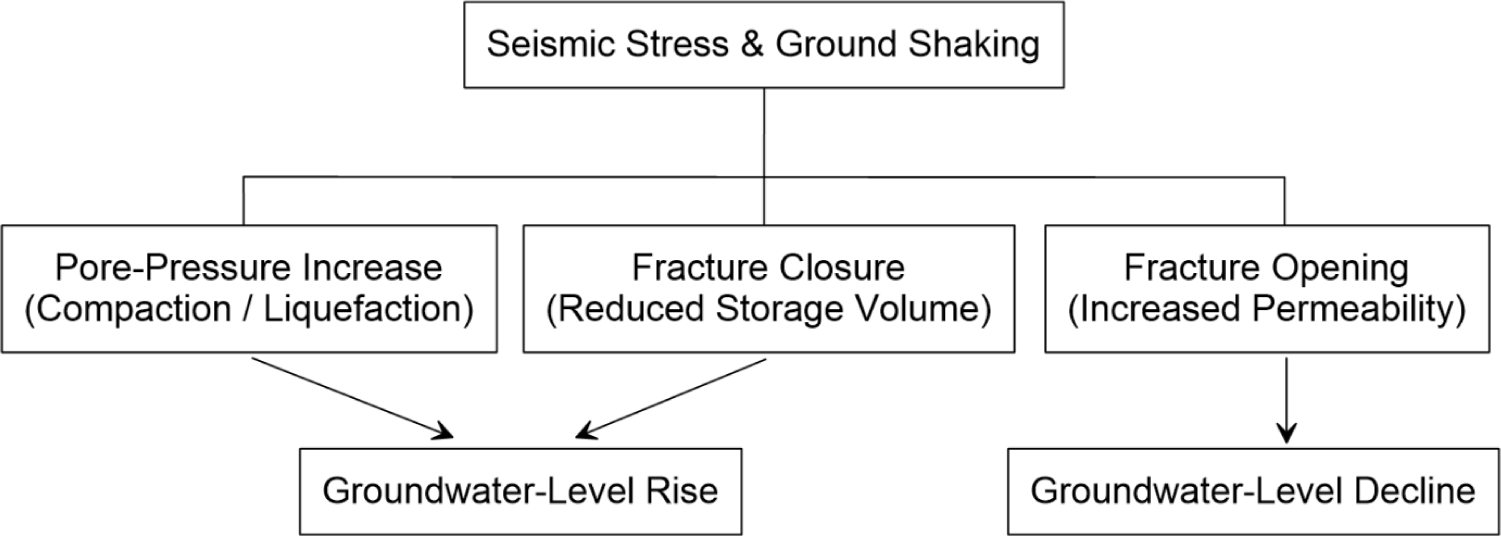
Simultaneously, earthquakes produce transient increases in aquifer permeability through fracture opening, unclogging of mineral precipitates, and mobilization of fine sediments, which promote temporary or persistent changes in hydraulic connectivity between previously isolated reservoirs [1,7,18]. These structural adjustments generate hydrological responses including rapid fluctuations in groundwater level, oscillations in pore pressure, and changes in spring discharge that occur within seconds to days after seismic shaking [19,20]. Groundwater-level rises are commonly associated with pore-pressure increases arising from compaction or liquefaction, or with fracture closure that reduces aquifer storage volume, whereas declines typically result from fracture opening and increased drainage capacity that facilitate downward or lateral flow [1,18]. This conceptual relationship between stress-induced structural adjustments and groundwater-level change is summarized in Fig. 2. Such hydraulic responses form a critical physical context for interpreting subsequent chemical and isotopic changes.
Permeability enhancement and fluid-pathway rearrangement create conduits through which deep crustal or hydrothermal fluids rich in dissolved gases such as He, Rn, CO2, CH4, and H2can ascend and mix with shallow groundwater, producing abrupt shifts in ionic composition, silica concentration, carbonate equilibria, and isotopic ratios [3,4,10]. Noble-gas anomalies, particularly elevated 3He/4He ratios, are widely interpreted as indicators of mantle or deep-crustal input activated by rupture propagation [3]. Rapid fluctuations in pressure and temperature also influence mineral solubility, degassing dynamics, and redox stability, mobilizing geochemical species including Fe-Mn oxyhydroxides, sulfate, and carbonate minerals [21,22]. Pressure release accompanying fracture dilation can further promote degassing and supersaturation, reshaping the chemical speciation of carbon and silica.
In addition to purely physical mixing, the redistribution of electron donors and acceptors along newly established flow paths can stimulate microbial metabolic activity, facilitating redox transitions and promoting the biogenic production or consumption of dissolved constituents such as methane, ammonium, nitrate, and sulfate [23,24]. Co-seismic increases in CH4, Fe2+, and Mn2+ and decreases in sulfate have been interpreted as evidence for microbially-mediated transformations superimposed on physical flow-driven processes [10]. These observations highlight that earthquake-triggered hydrogeochemical anomalies reflect the coupled behavior of mechanical deformation, hydrological perturbation, geochemical reactions, and biological activity [25].
Together, these interconnected physical processes form the mechanistic foundation supporting observable hydrogeochemical responses to earthquakes, including variations in major and trace ions, dissolved gases, isotopic compositions, and redox-sensitive species. Understanding the physical drivers of permeability restructuring, groundwater-level dynamics, and pressure-flow redistribution is therefore essential for interpreting the geochemical anomaly patterns examined in the following section.
Types of Hydrogeochemical Responses to Seismic Events
Earthquakes trigger diverse hydrogeochemical anomalies within groundwater systems, reflecting the coupling between crustal deformation, permeability enhancement, fluid mobilization, redox restructuring, and microbial activation. These chemical and isotopic responses, including variations in major and trace ions, dissolved gas concentrations, stable and radiogenic isotope compositions, and redox-sensitive species and microbial activity, serve as indicators of subsurface stress redistribution and fluid–rock interaction processes (Table 1) [2,7].
| Indicator category | Specific parameters | Typical response to seismic forcing | Interpretation / mechanistic link | Representative references |
|---|---|---|---|---|
| Major ions | Ca2+, Mg2+, Na+, K+, HCO3⁻, SO42⁻, Cl⁻, SiO2 | Sudden increases or decreases; directional shifts pre-/post-event | Enhanced dissolution/precipitation, mixing of deep vs shallow fluids, change in flow path | [44,49,51,53,54] |
| Trace metals / elements | Fe, Mn, As, Li, Sr, REE | Mobilization peaks, enrichment factors increase | Redox shifts, rock-water interaction, deep fluid input | [44,52,53] |
| Dissolved gases | He, Rn (222Rn, 220Rn), CO2, CH4, H2 | Sharp spikes, anomalous timing ahead/after quake | Fracture opening, deep fluid release, gas exsolution | [50,58–60] |
| Stable / radio isotopes | δ13C-DIC, δ18O, δ2H, 3He/4He, 87Sr/86Sr | Isotopic shifts, mixing trends, signature changes | Source mixing, fluid–rock reaction, mantle or crust fluid input | [47,49,52,57,61] |
| Hydraulic / physical proxy indicators | Groundwater level, pore-pressure, temperature, EC, Total dissolved solids (TDS) | Co-seismic jumps, transient anomalies | Changes in hydraulic connectivity, enhanced permeability | [45,48,54,60] |
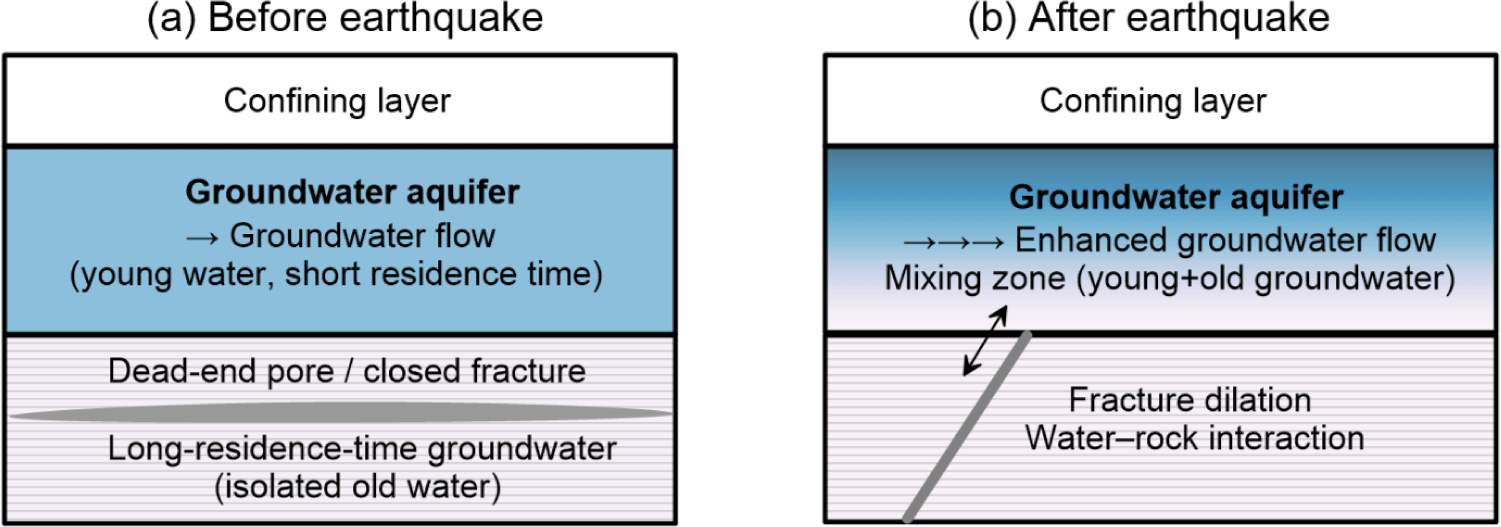
Major ions such as Ca2+, Mg2+, Na+, K+, HCO3⁻, SO42⁻, Cl⁻, NO3⁻ and SiO2 frequently display rapid increases or decreases following seismic perturbations, reflecting accelerated mineral dissolution, mobilization of solute-rich pore fluids, and mixing between deep and shallow groundwater reservoirs [1,26–28]. Mobilization peaks in trace elements including Fe, Mn, As, Li, and Sr have similarly been reported after major earthquakes and interpreted as signatures of redox restructuring and enhanced interaction between circulating groundwater and reactive mineral phases [4,29]. Notably, Barberio et al. [30] observed that concentrations of As, V, and Fe increased several months prior to the 2016 Amatrice-Norcia earthquake, suggesting that progressive crustal dilation and permeability enhancement can mobilize trace metals before fault failure, whereas Cr exhibited a sharp post-seismic increase associated with fracture flushing and sudden pathway opening. Such chemical responses are commonly linked to transient permeability enhancement and restructuring of flow paths that transport stored fluids from previously isolated pore domains through fracture dilation and permeability reorganization (Fig. 3) [19].
Dissolved gas anomalies represent some of the most sensitive hydrogeochemical indicators of seismic strain. Sharp increases in He, Rn, CO2, CH4, and H2concentrations have been widely documented before or after earthquakes, particularly in wells proximal to active fault structures [25,31]. Radon (222Rn), although transported as a dissolved gas, functions as a radiogenic tracer whose short half-life and decay-derived production make it particularly responsive to fracture propagation, stress accumulation, and transient enhancement of permeability [32–35]. Noble-gas ratios such as elevated 3He/4He provide direct evidence for the ascent of deep crustal or mantle-derived fluids through newly opened or unclogged fractures [3,36]. Together, these gas tracers offer powerful diagnostic tools for identifying fluid-source contributions and permeability evolution during seismic cycles.
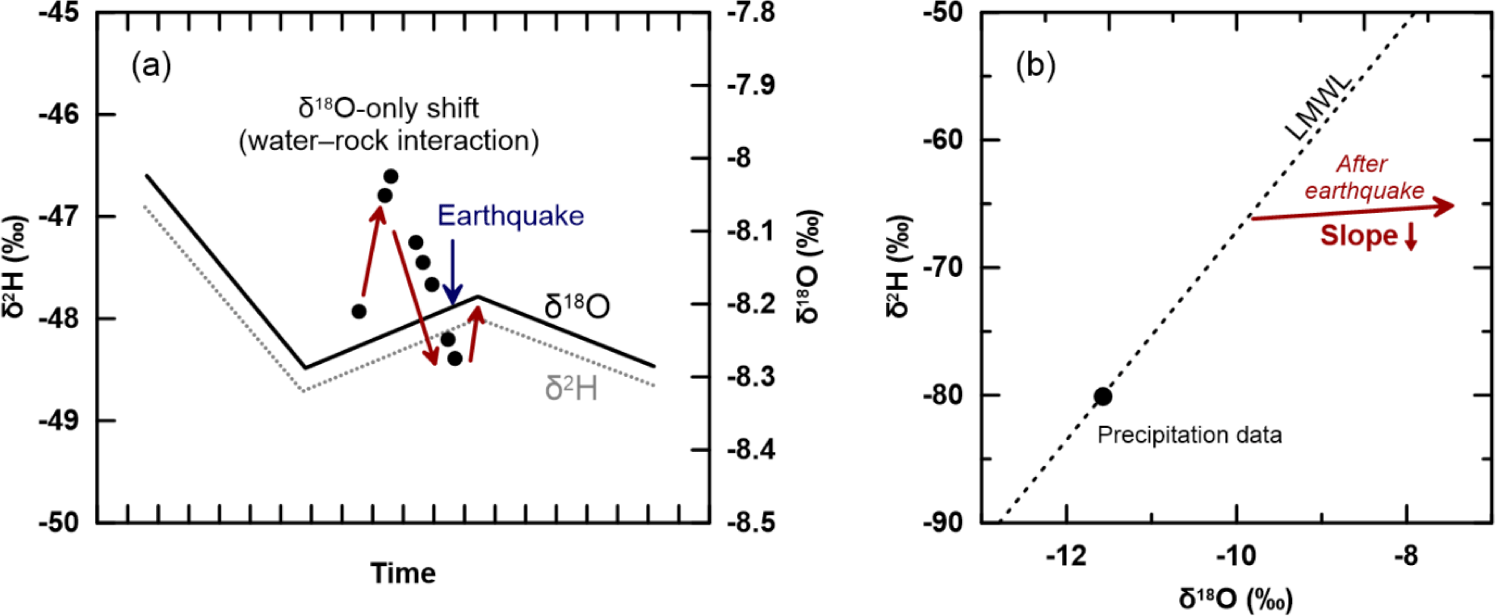
Stable and radiogenic isotopes including δ13C–DIC, δ18O, δ2H, δ34S, and 87Sr/86Sr provide complementary insights into water–rock interactions, degassing, redox transformations, and mixing processes that are activated or reorganized by seismic deformation [10,37]. Transient enrichment of δ18O in groundwater following seismic events has been attributed to fracture-induced increases in reactive surface area that facilitate oxygen isotope exchange between water and mineral lattices, particularly carbonates and silicates, under conditions of enhanced flow and pressure change [3,38]. In many cases, the combination of longer contact time along newly opened fracture surfaces and increased CO2 partial pressure promotes carbonate dissolution and re-precipitation, which further drives δ18O of the aqueous phase away from its original meteoric composition toward rock-buffered values. Where δ2H remains nearly constant while δ18O increases, such patterns are consistent with water–rock isotope exchange rather than evaporation or simple meteoric mixing (Fig. 4). Fig. 4 illustrates a δ18O only shift following earthquake-induced microfracturing and a corresponding post-seismic decrease in the δ2H–δ18O slope relative to the local meteoric water line (LMWL), distinguishing selective isotope exchange from evaporative fractionation.
δ13C–DIC reflect changes in the balance among deep CO2 input, carbonate dissolution and precipitation, and microbially mediated carbon cycling [39,40]. During crustal deformation and fault rupture, increases in permeability and frictional heating can promote the release of deeply sourced CO2 originating from mantle and marine carbonate reservoirs, which inherently possess relatively heavy δ13C signatures (0‰ to −4‰) compared to microbially derived or soil-respired CO2 (−26‰ to −12‰). In addition, dissolution of this deep CO2 into formation waters further enriches δ13C–DIC due to positive isotope fractionation during CO2– HCO3⁻ conversion, driving DIC values upward by an additional +7‰ to +9‰. Liang et al. [39] documented a pronounced pre-seismic increase in δ13C (CO2–DIC) in hot springs associated with thermal decomposition of carbonate minerals caused by fault frictional heating, followed by a sharp post-seismic decline as pressure dropped and CO2 degassing intensified. Similarly, Liu et al. [40] reported broad spatial variability in δ13C-DIC (−11.6‰ to 0.1‰) across the Maduo rupture zone, where positive excursions corresponded to enhanced contributions from deep CO2 within widened fault pathways, while negative shifts reflected increased fluxes of shallow organic-carbon-rich waters under newly reducing post-seismic conditions. These contrasting pathways demonstrate that δ13C–DIC is a sensitive tracer of fault-controlled carbon mobilization during seismic cycles, enabling differentiation between deep CO2 degassing, carbonate buffering, and microbially-mediated carbon transformations.
Sulfur isotope variations (δ34S) provide valuable constraints on the sources and transformation pathways of sulfur within fault-controlled hydrothermal systems. Following the 2016 Kumamoto earthquake, seismic enhancement of permeability allowed deep hydrothermal fluids enriched in sulfate to ascend to the surface through newly formed fracture networks, producing unusually high δ34S–SO42⁻ values in newly appeared saline springs. Hosono et al. [41] interpreted these elevated δ³⁴S signatures as evidence for sulfur derived from magmatic SO2 disproportionation or from microbial sulfate reduction under reducing deep aquifer conditions, both of which preferentially enrich the remaining dissolved sulfate in δ34S. Thus, δ34S shifts serve as indicators of seismically driven fluid mobilization and evolving redox conditions in volcanic hydrothermal environments.
Earthquake perturbations can modify groundwater pathways and consequently alter the extent of water–rock interaction and lithologic mixing, which is recorded in changes in Sr isotopic composition (87Sr/86Sr) [42,43]. Wang et al. [42] demonstrated that 87Sr/86Sr ratios of Fujian thermal springs range from approximately 0.706 to 0.726, with higher values linked to aluminosilicate weathering sources (0.716–0.720) and lower values to carbonate–sulfate sources (~0.708), indicating that Sr isotopic composition is strongly controlled by lithology and the degree of water–rock interaction. Kim et al. [43] found that groundwater 87Sr/86Sr ratios in the Gyeongju earthquake area ranged from 0.705688 to 0.712368 and varied systematically with bedrock type, with more radiogenic values observed in granite-dominated fractured aquifers due to interaction with Rb/Sr-rich minerals such as feldspar and biotite.
Finally, hydraulic indicators such as groundwater-level fluctuations, pore-pressure anomalies, electrical conductivity (EC), temperature, and total dissolved solids (TDS) provide essential contextual proxies for interpreting the origin and timing of hydrogeochemical anomalies [1,2,18].
Observational Evidence from Case Studies
A wide array of field investigations across diverse tectonic settings has documented hydrogeochemical responses of groundwater to seismic events (Table 2). These case studies illustrate the variability in chemical signals generated during earthquakes and highlight the importance of geological context, aquifer structure, and monitoring resolution in interpreting geochemical anomalies.
| Earthquake case | Region / Mw | Dominant hydrogeochemical responses | Interpretation / mechanisms | Monitoring type | Key references |
|---|---|---|---|---|---|
| Chi-Chi 1999 | Taiwan / Mw 7.6 |
- Groundwater level changes - SO42⁻ & NO3⁻ chemical anomalies - δ18O shift (river–aquifer mixing) |
- Pore-pressure redistribution - Fault-zone permeability enhancement - Deep–shallow water mixing - Pre-seismic aquifer disturbance |
- Regional well network - Long-term groundwater chemistry - Time-series & spectral analysis |
[44–48] |
| Wenchuan 2008 | China / Mw 7.9 |
- Large increases in K+, SO42⁻, TDS - δ18O–δ2H anomalies - Strong increase in 3He/4He & CO2 gas |
- Deep-fluid influx & mantle-derived gases - Water-rock interaction enhancement - Flow-path reorganization along active faults |
- Hot spring monitoring campaign - Gas & isotope sampling at multiple spring sites |
[49–51] |
| Tohoku 2011 | Japan / Mw 9.0 |
- Co-seismic groundwater-level changes - Radon anomalies in groundwater - Increased 3He/4He ratios in hot springs - Temperature & discharge anomalies |
- Elastic strain & pore-pressure redistribution - Fracture dilation & permeability enhancement - Deep-fluid upwelling & mantle helium input - Strain-controlled degassing processes |
- Continuous groundwater-level monitoring - Hydrochemistry & radon records - Noble gas isotopes - Multi-year datasets |
[59–61] |
| Kumamoto 2016 | Japan / Mw 7.0 |
- Co-seismic groundwater level decrease followed by post-seismic recovery - δ2H–δ18O values shifted toward mountain-derived meteoric water - Appearance of newly formed saline springs - Increased concentrations of SO42⁻, Li, and B - Enrichment of δ34S–SO42⁻ - Decrease in 3He/4He ratio |
- Permeability enhancement and fracture dilation - Release of mountain aquifer water into lower elevations - Upwelling of deep hydrothermal fluids - Strain-controlled degassing processes - Progressive crustal strain accumulation reflected in aquifer system |
- Continuous groundwater-level observations - Long-term hydrochemical time series - Stable isotopes and noble gas isotope measurements - Multi-year monitoring network |
[3,20,41,52] |
| Tottori 2016 | Japan / Mw 6.6 | - δ18O anomaly in groundwater | - Enhanced water-rock interaction via micro‐fracturing and newly exposed surfaces | - Groundwater monitoring well | [38] |
| Gyeongju 2016 | South Korea / Mw 5.4–5.5 |
- Groundwater-level anomalies in confined aquifers - δ18O–δ2H & δ13C changes - Elevated ²²²Rn |
- Confined-aquifer hydraulic response - Deep fluid mixing & fracture activation - Local fault-controlled flow |
- Continuous groundwater monitoring network - Hydrochemistry time-series analysis |
[26,43,53,55] |
| Pohang 2017 | South Korea / Mw 5.4 |
- Sharp groundwater-level decrease (EGS boreholes) - δ18O-δ2H, 87Sr/86Sr, 222Rn anomalies - Thoron (220Rn) and microbial shifts |
- Deep formation-water discharge - Hydraulic stimulation induced permeability change - Rapid water–rock interaction & saline fluid influx |
- Groundwater monitoring well - Gas & isotope monitoring |
[54,57,62] |
The earthquakes discussed in Sections 4.1–4.5 were selected based on three criteria: (1) the availability of high‐resolution, multi‐parameter groundwater datasets (groundwater level, hydrochemistry, isotopes, and/or gas tracers); (2) well-documented pre-, co-, and post-seismic hydrogeochemical responses; and (3) coverage of diverse tectonic and hydrogeological settings, including plate-boundary earthquakes (Chi-Chi, Wenchuan, Kumamoto, Japan), intraplate seismicity (Gyeongju, Korea), and induced seismicity associated with enhanced geothermal systems (EGS; Pohang, Korea). Together, these case studies provide a representative framework for evaluating how different seismic sources and geological contexts control groundwater responses to earthquakes.
The 1999 Mw 7.6 Chi-Chi earthquake in Taiwan reorganized groundwater flow, induced transient pore-pressure redistribution, and alter hydrochemical and isotopic characteristics within fault-controlled aquifer systems. Hydrogeochemical observations show diverse pre-, co-, and post-seismic responses across multiple aquifer settings, with implications for crustal fluid dynamics and earthquake precursors. Long-term analysis of commercially bottled groundwater documented substantial increases in SO42⁻ and NO3⁻ within months preceding the mainshock. These concentrations then decreased rapidly shortly before rupture, suggesting stress-induced hydrological redistribution and enhanced mixing between deep and shallow groundwater [44].
Regional monitoring revealed four distinct types of groundwater-level responses, ranging from abrupt co-seismic rises to sustained declines or step-like recovery patterns. These patterns indicate that pore-pressure redistribution, rather than permanent permeability change, dominated the regional post-seismic hydrological adjustment [45]. Time-series decomposition and spectral analyses identified anomalous groundwater-level fluctuations in confined aquifers during the weeks preceding the earthquake. These results suggest that frequency-domain analysis can detect subtle pre-seismic hydrological anomalies not visible in raw time-series records [46].
Stable isotope monitoring further illustrated substantial post-seismic changes in δ18O, indicating enhanced river–aquifer interaction and increased cross-aquifer exchange due to the fracturing of confining units and the establishment of new hydraulic links following the rupture [47]. The magnitude, polarity, and persistence of earthquake-induced groundwater-level responses depend primarily on hydrogeological characteristics such as confinement, compressibility, and permeability contrasts rather than earthquake magnitude alone. Confined aquifers exhibit prolonged step-type shifts, whereas unconfined aquifers show transient oscillatory behavior [48].
Together, these studies provide a coherent framework for understanding how large earthquakes perturb groundwater systems through dynamic strain, co-seismic pore-pressure redistribution, and post-seismic flow-path reorganization. The Chi-Chi earthquake record highlights the diagnostic potential of integrated hydrochemical, isotopic, and groundwater-level monitoring for assessing crustal permeability evolution and for identifying hydrological indicators relevant to earthquake forecasting and fault-zone fluid processes.
Hydrogeochemical and gas-geochemical observations following the Wenchuan earthquake (Mw 7.9; MS 8.0) revealed pronounced anomalies in hot spring chemistry and gas compositions, including elevated 3He/4He ratios and CO2 concentrations near major active fault zones. These anomalies indicate enhanced permeability and deep-fluid migration driven by co-seismic crustal deformation [49,50]. The 2008 Wenchuan earthquake in western Sichuan is a representative example that illustrates large-scale fluid mobilization in active tectonic regions. K+ and SO42⁻ concentrations increased and δ18O and δ2H values in hot spring waters shifted before and after the earthquake. These changes were interpreted as evidence of enhanced contributions from deep hydrothermal fluids and intensified water–rock interactions [49]. Gas-geochemical observations showed substantial increases in 3He/4He and δ13C–CO2 in hot spring discharges along the Longmenshan and Xianshuihe fault belts, indicating the upward migration of mantle-derived fluids facilitated by increased crustal permeability after the earthquake [50]. Over time, mantle signals decreased while crustal CH4 and radiogenic helium increased, reflecting progressive re-equilibration of the aquifer and hydrothermal system.
The role of seismically induced permeability enhancement and CO2-driven carbonate dissolution was further supported by observations from the 2013 Lushan MS 7.0 earthquake in the same tectonic setting [51]. Shortly after the mainshock, hot springs in the Kangding district exhibited substantial increases in Ca2+, HCO3⁻, and TDS concentrations within three to five days, interpreted as the result of accelerated dissolution of carbonate rocks and the inflow of deep groundwater. In contrast, decreases in Na+, Cl⁻, and SO42⁻ recorded at other sites indicate dilution by shallow meteoric waters [51]. Shifts in hydrochemical facies confirmed active mixing of fluids from different depths as pore pressures and flow pathways adjusted during the aftershock period.
Together, these studies demonstrate that large and moderate earthquakes can fundamentally alter fluid circulation within fault zones through permeability perturbation, deep fluid ascent, water–rock reaction intensification, and mixing processes. Hydrochemical and gas-geochemical indicators such as Ca2+, HCO3⁻, K+, SO42⁻, TDS, 3He/4He, and CO2 provide sensitive records of post-seismic hydrological restructuring and serve as important tools for understanding earthquake-related crustal fluid dynamics.
The 2016 Mw 7.0 Kumamoto earthquake provides a comprehensive observational datasets to date for understanding hydrogeochemical responses to seismic deformation. Multiple independent studies have documented rapid and persistent changes in groundwater levels, solute chemistry, and isotopic tracers following major earthquakes. These observations demonstrate that earthquake-induced permeability enhancement reorganizes groundwater flow systems across regional scales. Immediately after the mainshock, groundwater levels in confined aquifers along the Futagawa–Hinagu fault zone exhibited a sharp co-seismic decline of up to approximately 4.7 m within the first 30–45 days, driven by rapid drainage through newly dilated fracture networks [52]. This drawdown was followed by a delayed but substantial post-seismic rise in groundwater levels, reaching increases of nearly 11 m over the following months. Permeability enhancement enabled the release of stored groundwater from mountain aquifers and its downslope transport, a process supported by the post-seismic convergence of δ2H–δ18O values toward those of mountain spring waters [52].
Geochemical evidence further supports the mobilization of deep fluids during and after the earthquake. Newly formed saline springs emerging after the mainshock displayed elevated concentrations of SO42⁻, Li, and B, as well as unusually high δ34S–SO42⁻ values (10.5‰–17.5‰), indicating upwelling of hydrothermal fluids through seismically activated fracture conduits [41]. Noble-gas observations similarly reveal strong coupling between mechanical strain and subsurface fluid behavior: 3He/4He ratios in deep groundwater declined significantly following the earthquake, with spatial and temporal variations correlating closely with modeled volumetric strain, implying microfracturing-induced release of radiogenic 4He from the crust [3]. Long-term groundwater level analysis also identified multi-year precursory deviations beginning around 2014, during which levels remained consistently below modeled predictions before recovering toward the time of rupture; these patterns parallel global navigation satellite system-derived strain accumulation and highlight the capacity of volcanic aquifers to record pre-seismic deformation [20].
These datasets define a coherent sequence of hydrological and geochemical responses to the Kumamoto earthquake: (1) co-seismic drawdown due to fracture dilation, (2) delayed post-seismic recharge driven by permeability enhancement, (3) mobilization of deep solute-rich fluids, (4) strain-controlled noble-gas anomalies, and (5) multi-year hydrologic precursors reflecting progressive crustal strain buildup. The Kumamoto case thus represents a uniquely well-documented natural laboratory demonstrating how seismic deformation reorganizes groundwater flow and alters hydrogeochemical signatures, providing crucial guidance for developing multi-parameter monitoring frameworks to evaluate evolving crustal conditions.
The 2016 Mw 5.4–5.5 Gyeongju earthquake affected groundwater hydrology and geochemistry within the Yangsan Fault System. A series of investigations demonstrated diverse co- and post-seismic responses dependent on aquifer type, lithology, and fault-zone hydraulic properties. Groundwater-level changes were predominantly observed in confined fractured bedrock aquifers, while shallow alluvial aquifers exhibited minimal response. These patterns indicate that permeability enhancement and pressure redistribution primarily affected deeper, fault-connected flow systems [53]. 3He/4He, 222Rn, δ18O, δ2H, and δ13C signatures indicate upwelling of older, deeper groundwater following the earthquake based on depleted stable isotopes and low tritium concentrations. These results support post-seismic deep-fluid intrusion associated with seismic fracture opening. Elevated 222Rn and δ13C anomalies were most pronounced near the epicenter, demonstrating the influence of bedrock lithology and fault orientation on fluid migration pathways [54].
Hydrochemical studies integrating groundwater-level, temperature, EC, radon, and strontium isotope measurements identified distinct post-seismic behaviors among groups of wells, interpreted using self-organizing map (SOM) clustering. The hydrogeological responses were classified into mechanisms including (1) water–rock interaction and dissolution mobilization, (2) mixing between shallow and deep aquifers, (3) fracture network activation related to strike-slip movement, and (4) no response in hydraulically isolated systems [43]. Additional time-series analysis showed that groundwater-level shifts could be characterized into transient, step-like, and persistent response types, with confined wells along fault boundaries displaying the strongest anomalies, suggesting dynamic stress effects controlling fracture permeability and pore-pressure propagation [55]. Seismic-induced changes strongly depend on confinement conditions and screened interval design, reinforcing the importance of hydrogeological characterization for effective interpretation of seismic-hydrological monitoring [56].
These studies confirm that the Gyeongju earthquake reorganized groundwater flow pathways through permeability enhancement, deep fluid ascent, and pressure redistribution. Integrated hydrochemical and isotopic monitoring provides essential tools for interpreting fracture network dynamics and evaluating the hydromechanical feedback between faulting and groundwater circulation in intraplate seismic regions.
The 2017 Mw 5.5 Pohang earthquake in Korea represents a key example illustrating how induced seismicity associated with EGS stimulation can substantially perturb groundwater flow dynamics and hydrogeochemical conditions within fractured basement rock environments. Co- and post-seismic anomalies in groundwater level, hydrochemistry, isotopes, and noble gases around the Pohang EGS site reflect reorganization of subsurface flow paths and mobilization of deep fluids. Continuous hydrogeochemical monitoring across regional observation wells documented abrupt changes in groundwater level and marked fluctuations in EC, temperature, δ18O, δ2H, 87Sr/86Sr, and 222Rn following the earthquake. These changes provide evidence for co-seismic permeability enhancement, deep fluid upwelling, and rapid water–rock interactions not explainable by poroelastic mechanisms alone [54]. Well flow responses recorded from the EGS boreholes demonstrated that both moderate induced events (Mw 3.2) and the mainshock triggered rapid discharge of deep formation water, accompanied by significant isotopic deviations from the LMWL and sharp declines in hydraulic head. These responses indicate pressure-driven expulsion of deeply circulated fluids along critically stressed fault zones [57]. Chemical and isotopic signatures revealed saline and thermally altered fluid components derived from several kilometers depth. These results support feedback coupling between fault rupture and high-pressure fluid migration during stimulation operations. More recent research further showed that thoron (220Rn) anomalies and changes in microbial community structure serve as highly sensitive tracers of active fracture zones and short-lived permeability enhancements. These indicators demonstrate strong diagnostic potential for monitoring real-time seismic responses in groundwater systems [58].
These studies indicate that the Pohang event fundamentally reorganized subsurface hydraulic pathways through fault reactivation and deep-fluid mobilization. Groundwater-based indicators including stable isotopes, Sr isotopes, radon, and microbial fingerprints offer powerful tools for characterizing induced seismic processes and for improving assessments of hydromechanical coupling in fractured rock geothermal environments.
Monitoring and Analytical Approaches
Integrated hydrogeological, hydrochemical, isotopic, and gas-geochemical monitoring approaches have proven essential for understanding earthquake-induced perturbations in groundwater systems and for differentiating elastic pore-pressure responses from deep-fluid mobilization processes. Continuous groundwater-level and physicochemical monitoring (including temperature and EC) using high-frequency digital loggers has enabled detailed characterization of abrupt co-seismic steps, delayed recovery patterns, and transient oscillatory fluctuations associated with dynamic strain. Such datasets have been used to classify groundwater responses into distinct hydrological types and to evaluate the roles of aquifer confinement, lithology, and fault connectivity in controlling hydraulic behavior following seismic events [26,45,48].
Environmental tracers such as δ18O, δ2H, and 87Sr/86Sr provide powerful diagnostic indicators of groundwater mixing, flow-path reorganization, and deep-fluid contributions driven by seismically induced permeability enhancement. Stable isotope signatures measured after large earthquakes in Taiwan and Korea have revealed enhanced river–aquifer exchange [47], the upward intrusion of deeply circulated formation water [57], and water–rock interaction effects associated with fault rupture [54]. Dissolved gas measurements, particularly radon (222Rn), thoron (220Rn), methane, and helium isotopes (3He/4He), have proven highly sensitive to fracture activation and short-lived permeability increases. Large anomalies in helium isotopes following the Wenchuan earthquake, for example, indicated mantle-derived gas ascent along newly opened flow paths [50], while thoron-based monitoring in Korea demonstrated potential for detecting near-real-time fracture reactivation [58].
Multivariate and machine-learning analytical methods, including principal component analysis and SOM, have been widely used to discriminate mechanisms controlling groundwater anomalies, such as water–rock interaction, saline intrusion, and deep–shallow mixing transitions [53,43]. Time-series decomposition and spectral analysis techniques have enabled the extraction of seismic signals from seasonality, pumping, and tidal effects, allowing detection of subtle pre-seismic anomalies and quantitative evaluation of persistence in post-seismic hydrochemical responses [46]. Recent work combining gas-geochemical and microbial community observations demonstrated that microbiological signatures can serve as additional tracers of seismic-induced fracture permeability changes [58].
These monitoring and analytical strategies provide a comprehensive framework for evaluating fault-controlled hydrogeological processes and advancing predictive capability in crustal fluid-earthquake interaction research. The integration of continuous monitoring networks, multi-tracer geochemistry, and advanced analytical tools represents a critical methodological direction for future studies in seismic hydrogeology.
Research Gaps and Future Directions
Despite major advances in understanding of earthquake-induced hydrogeochemical and hydrological responses, important knowledge gaps remain regarding the mechanisms, spatial heterogeneity, and predictability of subsurface fluid behavior during seismic cycles. Most existing studies rely on post-seismic hydrochemical anomalies to infer permeability enhancement and flow-path reorganization [47,49,54], yet the causal relationships among rupture dynamics, fracture network development, and deep-fluid mobilization remain insufficiently constrained. The majority of observations are based on sparse well networks, limiting the ability to resolve the three-dimensional structure of fluid redistribution and the geometry of active flow pathways at the basin-to-fault scale. While co-seismic step responses in groundwater level have been widely observed, distinguishing between elastic pore-pressure changes and hydraulic responses driven by permeability enhancement continues to challenge interpretation, particularly in heterogeneous fractured aquifers [48].
Another limitation involves the lack of long-term, high-frequency, multi-parameter baseline datasets that capture the full progression of pre-seismic, co-seismic, and post-seismic stages. Many hydrochemical studies are opportunistic and initiated only after major events, hindering the identification of reliable precursory signals. Furthermore, although stable isotopes, noble gases, radon, and strontium isotopes have demonstrated diagnostic value for tracing deep-fluid interaction [50,57], the integration of chemical, isotopic, gaseous, and microbial tracers remains limited, and few studies link geochemical anomalies to in-situ measurements of fracture aperture changes or stress-strain evolution.
Future progress requires densely distributed, multi-sensor real-time monitoring networks combined with advanced analytical methodologies. These should include: (1) coupled hydro-mechanical-chemical modeling to evaluate feedbacks between stress, permeability, and water–rock interaction; (2) machine-learning frameworks for automated anomaly detection and signal classification; (3) joint interpretation of tracers spanning multiple residence times (e.g., δ18O–δ2H, 3He/4He, 220Rn, 87Sr/86Sr, and microbial markers); and (4) field-scale hydraulic stimulation experiments to directly assess permeability evolution under controlled conditions. Expanding monitoring networks across active fault systems and other intraplate environments will be particularly important for improving the generalizability and predictability of earthquake-fluid coupling mechanisms. Ultimately, advancing the integration of hydrological, geochemical, geomechanical, and microbiological perspectives will be crucial for developing early-warning indicators and constraining the role of subsurface fluids in both natural and induced seismicity.


