

Introduction
“I’m doing my part and helping. And I feel like it’s everyone’s duty to help out where they can. Everybody in the world, they’re scared, they’re worried. So, we have to work together to uplift each other.”
- 12-year-old boy, Chicago, Illinois [1]
Disaster literacy is a rapidly growing area of conceptual interest and empirical study within the hazards and disaster field. The burgeoning emphasis on disaster literacy can be traced to longer standing concerns with scientific and health literacy among the public [2]. Drawing on this broader context and based on a systematic review of the disaster literacy literature, Çalișkan and Üner propose the following definition that encompasses various core competencies and all phases of the disaster cycle: “Disaster literacy is individuals’ capacity to access, understand, appraise, and apply disaster information to make informed decisions and to follow instructions in everyday life concerning mitigating/prevention, preparing, responding, and recovering/rehabilitation from a disaster in order to maintain or improve quality of life during the life course” [3].
Levels of disaster literacy have been assessed across different geographic locations, cultural contexts, and hazard types [4,5]. Researchers have also sought to understand drivers and outcomes of disaster literacy among diverse population groups such as elementary and secondary school students [4,6], college students [7], teachers [8], and people with disabilities [2]. Genc and colleagues draw on available literature to argue that “A disaster-literate person is expected to be equipped with the knowledge, attitudes, and behaviors required to face disasters, set an example for their environment, and survive such cases [9]. Park extends the concept of hazard and disaster literacy to “include the capacity to interrogate the structural factors that render certain populations more vulnerable, and to act on this understanding through democratic, ethical, and collective action” [10].
Most available literature emphasizes the central role of education—whether formal or informal—in enhancing disaster literacy among adults as well as children. Less is known about how experiencing a disaster may influence actions and resultant disaster literacy among affected populations. One web-based study of 2,134 individuals in Turkey revealed that those who had lived through an earthquake or other disaster were more eager to participate in disaster training and more apt to follow disaster-related news, although these individuals did not report being any more prepared than their non-disaster exposed counterparts [9]. Similarly, in their study of 247 school administrators and teachers in Taiwan, Chung & Yen [8] found that participants with personal experiences of disaster had higher levels of disaster prevention literacy relative to those without such experiences. However, statistical differences in terms of knowledge, skills, and attitudes were not sizable. Taking a different approach, Karacaoǧlu & Biamba [11] conducted an in-depth qualitative study with 20 people who experienced the devastating 2023 Turkey earthquake. The researchers sought to identify which disaster literacy skills the earthquake survivors perceived as most important. Their analyses spotlighted more than 30 different actions that survivors recommended taking before, during, and after disaster.
Our goal in this article is to help close the research gap concerning how children’s experiences may influence their understanding and actions in response to the impacts of disaster. We ultimately sought to answer the following research questions: What did children do to help others during the COVID-19 pandemic? Who did they assist? Why were they motivated to act? To answer these questions, we compiled a novel dataset of news coverage of U.S. children’s helping behaviors [12]. Our analyses identified eight types of altruistic actions that children engaged in as they sought to protect and support others and their communities. Our findings reveal that experiencing the COVID-19 pandemic and taking action on behalf of others may have enhanced children’s disaster literacy through raising awareness of disaster injustice.
Theoretical framework
This study is informed by longstanding theories of altruism in disasters, as well as more recent work on children’s agency in disaster and responses to the COVID-19 pandemic. This section weaves these strands of theoretical and empirical research together.
The earliest research on human behavior in disasters revealed a fundamental social fact: people want to help [13]. Indeed, despite concerns that affected populations would panic, loot, or riot, pioneering field research teams repeatedly found that people were prosocial and highly adaptive in the face of crisis [14]. Founding scholars introduced concepts such as the “altruistic community” and “therapeutic social system” to characterize these heightened levels of human concern and mutual aid [15,16].
Dynes [17] developed a typology of three different forms of altruism: (1) individual altruism involves actions by persons who give their time, money, or energy to “good causes”; (2) collective altruism is routinized and institutionalized, which means that recurrent public helping needs—such as those related to poverty or hunger—have been collectively identified and, as a result of public policy, organizations and social structures have been developed to deal with them; and (3) situational altruism emerges when “new victims” have been created—such as during times of disaster—and there is doubt that existing institutional resources can adequately address their medical or basic survival needs (p. 2). Situational altruism in the context of emergent norm theory helps explain why people are motivated to rapidly mobilize and converge at the scene of a disaster to provide aid and donate supplies. It also considers how such activities, when properly anticipated and integrated on an organizational level, can contribute to “the resources in personnel and material, to make an effective emergency response” [17].
Over the past several decades, acts of situational altruism have been documented in numerous disaster case studies [18–21]. Available work has explored factors that may deter or encourage convergent actions such as rescuing fellow survivors, volunteering, or donating blood [22–24]. Research suggests that more empathetic people and those who identify more closely with disaster victims may be more likely to help in a disaster [22,25]. In addition, people may be more prone to provide comfort and aid to ethnic ingroup members [23] and to those who have suffered higher levels of disaster exposure—especially when victims are White or well-educated [18]. Case studies following Typhoon Haiyan in 2013 in the Philippines [26], the 2009 Victorian Bushfires in Australia [27], and the September 11, 2001, attacks in the United States [25] found that women are more likely than men to engage in altruistic acts. However, women’s work on behalf of their families, workplaces, and communities is often hidden from public view [28–30].
Children’s altruism in disaster, like women’s, has long been obscured or overlooked altogether. This began to change following Anderson’s appeal for more social science disaster research on children, where he wrote that it is “crucial to understand… what children do for themselves and others to reduce disaster impacts” [31]. As Peek and colleagues demonstrate, Anderson’s seminal call ushered in a new wave of child-centered research that focuses on children’s knowledge, strengths, capacities, and helping behaviors in disaster [32]. Research now clearly documents the social roles that children and youth play in communicating disaster risk and impacts [33], learning about and preparing for disaster [34–36], responding to disaster in generous and life-saving ways [22,37], and supporting the long-term recovery of their families, schools, and communities [38–40]. Systematic reviews and reports have emphasized how adults can better integrate children into disaster risk reduction and resilience building efforts [41] and support child-led responses to disasters [42,43]. This growing body of literature demonstrates that children, like adults, want to learn about and help with disasters. When given formal or informal opportunities to contribute, children can be a significant asset across the disaster lifecycle [44–48].
Still, children and youth often face barriers to helping in disasters. For example, emergency management organizations may have liability concerns or may not have formal onboarding processes that allow for the integration of young people who converge after an event to offer disaster relief [49]. Depending on the disaster type, there also may be concerns about children being exposed to harmful substances such as sewage, air pollutants, mold, asbestos, or spilled chemicals [50,51]. Elected officials may dismiss children because they do not vote and their perspectives are not valued [46,52,53]. Ageism as well as systemic racism, sexism, ableism, and other forms of marginalization may lead to the exclusion of young people, including girls, children with disabilities, and children who are members of religious or ethnic minority groups [54–56]. Further, emergency managers and other professionals may be unaware of children’s fundamental rights to education and full participation [57]. For example, a study focused on the European Union found that only about 20% of disaster management projects, programs, or research involved children [57]. Because their voices are rarely heard, children continue to be cast as vulnerable victims or as highly resilient—both are stereotypes that can prevent young people from being seen as diverse, complex, and in need of outlets to channel their concerns, time, and energy toward causes that matter to them [39].
When children’s helping behaviors have been systematically documented, most available research has focused on their contributions in the aftermath of wildfires, hurricanes, floods, and other natural hazard events [22,38,58]. T date, only a small number of published studies, globally, have focused on children’s agency in the COVID-19 pandemic. This represents a critical oversight considering the scope of the catastrophe, its deadly effects, and the ongoing disruptive impacts on children’s lives, family situations, and educational attainment [59–62]. In the United States, by 2023, COVID-19 had become the eighth most common cause of death among young people aged 0 through 19 [63]. According to data from the Centers for Disease Control and Prevention, Black and Latinx children in the U.S. experienced higher rates of mortality and morbidity as they were more likely to live in households with adults who were deemed essential workers—and who were therefore more likely to be exposed to the virus at work and bring it home [64]. Children of color were also more prone to suffer pre-existing health conditions, reside in crowded living conditions, experience food insecurity, and have limited or no access to computers or the internet. When compared to adults, children may have been especially susceptible to depression and anxiety related to disease containment measures, such as social distancing and home quarantine [65]. Further, estimates suggest that 265,000 children in the United States lost a parent or caregiver to COVID-19, leaving a generation of children bereaved [66].
The pandemic clearly took a serious toll on children that could have long-term consequences across the life course. Yet, even in the face of danger and widespread societal disruption, children continued to express a desire to learn and make a difference. For example, during the early months of the pandemic, Cuevas-Parra and Stephano [67] consulted with 101 children and youth between the ages of 8 and 18 from 13 countries. Even in the face of rising poverty levels and increased emotional strain, these children expressed a strong desire to support the most vulnerable and to work collectively to reduce risk associated with the virus. Gibb and colleagues [68] surveyed 12- to 18-year-olds (n=1,036) and parents of 5- to 11-year-olds (n=1,029) in Canada and the United States. Their research revealed that these young people helped in many ways such as by creating artwork or cooking food, publicly displaying symbols of encouragement such as hearts or rainbows, helping siblings with schoolwork, and providing financial or emotional support to friends or family members. In their sample, most young people engaged in one or more helping behaviors, with 77.6% of the parents of 5- to 11-year-olds indicating their child helped others, and 76.5% of the 12- to 18-year-olds responding that they helped others. Koller and colleagues [69] conducted open-ended interviews with 20 children in Canada between the ages of 7 and 12. They discovered that although children faced many challenges, they remained concerned about others and developed a strong sense of responsibility to keep people safe. Waboso and colleagues [62] conducted repeated interviews with 30 children in Canada, documenting the many creative activities that children engaged in that helped them to cope, connect with, and support others during the pandemic.
The present study adds to this limited body of research by reviewing media coverage to describe children’s knowledge and helping behaviors in the United States during the pandemic. As explained below, children engaged in a range of altruistic actions driven often by a desire to help socially or economically marginalized populations. This research showcases how the global COVID-19 pandemic may have planted some seeds for growing a more disaster-literate population in the future.
Methods
For this study, our team conducted a systematic, qualitative content analysis of news articles. This section describes the dataset, analytic approach, and limitations.
We compiled and analyzed a dataset of English-language news stories about the helping behaviors of children in the United States during the COVID-19 pandemic. The final published dataset includes 115 news articles that appeared in print or online local, regional, and national news sources—including newspapers and magazines—between January 2020 and November 2023 [12].
To create the dataset, we limited our searches by language (English), geography (the United States), and time (an article had to be published between January 2020, when the virus was first detected in the United States, and November 2023, when we ended our searches and began formal analyses). We operationalized altruism as any helping behavior that children engaged in—whether child-initiated or adult-led—to assist their community, school, adults, or other children during the COVID-19 pandemic. To identify such behaviors, our research team developed a series of search terms such as “children,” “kids,” “help,” “volunteer,” “actions,” “pandemic,” and “COVID-19.” Over time we refined and added additional search terms based on emergent themes such as “raising money,” “making personal protective equipment (PPE),” and “youth-led.”
As we worked to finalize the dataset, we engaged in a de-duplication process to ensure that no news coverage was repeated. For example, if an article was initially published by the Associated Press, but then it was re-published across multiple local and regional outlets, we included only the original article to ensure we were not duplicating our counts of unique actions.
When we identified news coverage that fit our definition of altruism, we saved a PDF file of the article. As we prepared to begin analyzing the data, we created an excel spreadsheet to code the articles. We entered the reference information and weblink for each article. We then read each article and wrote a synopsis that summarized what the children did, who they were trying to assist, why they decided to help, and the impact of their efforts. We coded for several categories of helping behaviors that we identified inductively (i.e., in the process of reading the articles) and deductively (i.e., based on prior research on children’s agency and altruism in other disasters). We added columns in the spreadsheet to track the location where the helping behaviors occurred, the dates when the helping behavior took place, and, when specified, the age, gender, or race/ethnicity of the child or children highlighted in the news article. We also included verbatim quotations from children when they were captured in the news stories. Finally, we indicated if any visual media, such as photos or videos, were embedded in the articles.
At least two members of our team read, coded, and analyzed each article. The team regularly compared coding categories and worked together to develop the final analytic columns in the dataset. If the coding team disagreed about whether an article should be included in the dataset or be coded in a particular way, a third member would review the article to decide on inclusion or exclusion or the appropriate code. This process enhanced intercoder reliability and helped us to finalize our coding categories.
The 115 news articles in the final dataset featured children from 5- to 18-years-old. When gender was identified, girls (n=73) were more likely to be highlighted in coverage than boys (n=54).1 More than half of the articles did not specify the children’s racial or ethnic background. Of those that did specify race or ethnicity, about 23% of the articles featured White children, 22% featured Asian American children, 17% featured Black children, and 5% featured Latinx children.
Developing the dataset was time and labor-intensive. Even with our search criteria in place, each unique search entry would typically yield hundreds or even thousands of news articles. Upon review of these initial results, we discovered that most available coverage was either not relevant, or it focused on things that adults were doing on behalf of children, such as passing legislation, setting up virtual schooling, or providing additional health services. These articles centered adult voices and the concerns of parents or professionals regarding children’s education, physical health, or emotional well-being. Although this coverage provided important context regarding children’s lives, we were able to identify only 115 news articles that included children’s voices and were written specifically about children’s knowledge of the impacts of the pandemic and their contributions to try to lessen its effects. Further, by confining our dataset to newspapers and magazines, we excluded stories that appeared on podcasts, radio, television, and other media outlets. Because of the limited available online or print newspaper coverage, the data undoubtedly underrepresent the full range of what young people did on behalf of others during the pandemic.
Unlike ethnography, which generates thick description of the ordinary acts of people, news data can be prone to both selection bias and reporting bias tending toward the extraordinary [70]. While the journalistic frame focuses on individual stories and topics deemed newsworthy, we worked to address these specific data limitations through developing analytical categories to assess the purpose of children’s actions, their motivations, and the impacts of their efforts [71].
News reporting can obviously be selective and editorial in nature, but this dataset was well suited to help answer our exploratory research questions. It was also valuable during a historic time when conducting in-person research was much more difficult due to public health concerns. The news stories that we methodically compiled and analyzed represent an essential piece of the scant public record on children’s lived experiences in a global pandemic. The coverage captures the voices, stories, actions, and motivations of children—an underrepresented, and often misrepresented, group. These data—albeit partial and imperfect—add to the public record regarding how children and youth understood unmet needs during the pandemic and why they were moved to act on behalf of others. Our ethical commitments to open data and centering children’s voices led us to publish the data that undergird this article [12]. We hope that other researchers might replicate or build upon this study in different geographic, cultural, and disaster contexts.
Findings
The research questions motivating this study focus on what children did in the pandemic, who they sought to help, and why they were motivated to act. In response to the first research question, the sections that follow are organized around what children did on behalf of others during the pandemic. Specifically, our analyses identified two categories and eight specific types of helping behaviors that the news media reported children engaged in during the pandemic (see Table 1). The first category of behaviors encompassed children providing material resources to help others, including: making, collecting, or distributing supplies; raising and donating money; and cooking or distributing food. The second category of behaviors involved children mobilizing to advance well-being including: creating art; offering social and emotional support; providing tutoring or developing other educational services; participating in public health campaigns or vaccination efforts; and conducting or taking part in research.
In each of the subsequent sections, we detail what children did, describe who they helped, and summarize a range of motivations for why children took action. It is important to recall that these young people were operating at a time when all people—at least initially—were cast as vulnerable to the disease. As the findings indicate, however, children clearly recognized that the pandemic was not affecting all people equally. They sought to use their knowledge to close immediate resource gaps while, in some cases, also attempting to address systemic societal injustices.
Category I: providing material resources
In March of 2020, as the first wave of the pandemic widely affected the United States, there was a dramatic surge in people seeking out face masks, protective eyewear, and other items meant to shield people from harm. Children and youth responded by making, collecting, and distributing supplies. News coverage spotlighted children who learned how to sew during the early days of the pandemic and produced hundreds of masks. These children often started by sewing face coverings for themselves and their families and then gave away additional masks to people experiencing homelessness, military personnel, frontline workers, healthcare providers, and older adults. A 13-year-old girl in Texas said: “I learned to sew masks. I made them for my family and myself and donated many to the seniors’ program in my city. That got me outside my own skin, helping someone else” [72].
Students who had access to 3-D printers began to run the devices around the clock to produce lifesaving supplies. A 16-year-old girl from Louisville, Kentucky focused on such a task: “I started printing [face shields]. What was meant to be like 15 or 20 face shields, just to see if we could do it, exploded into over 600” [73]. This example illustrates how young people were able to identify a specific need and then take action using their technological skills learned at school.
The pandemic created new challenges and worsened existing struggles for people trying to access basic supplies such as clothing, toiletries, and educational materials. As children became aware of these issues, they worked independently and with other young people to gather and share donations. A 13-year-old boy from Georgia collected 1,000 blankets and other goods such as books, gloves, toys, and personal hygiene products to distribute to children in low-income families. Children also donated goods to people in homeless shelters, foster homes, schools, senior living facilities, and other places where children perceived they could help those most in need. In New York City, an 11-year-old girl gathered dozens of laptops that she gave to children with disabilities and children living in impoverished households to ensure that they could continue their education during the pandemic. These actions to help people who were most vulnerable reflect children’s recognition of and motivations to address inequities in the disaster.
During the pandemic, children and youth gave away money they had saved and worked to raise funds for several causes. A 7-year-old girl who had previously been treated at a Chicago hospital raised $23,000 by making and selling friendship bracelets. Upon donating the funds to the children’s hospital where she had received care, the girl said of her actions: “It made me feel like I was doing something really important” [74]. A 9-year-old child in Minneapolis raised $42,000 that she donated to families in need. She also generated these funds by selling friendship bracelets and setting up a neighborhood store.
Other children raised more modest amounts of money through raffling off goods, setting out money collection bins in public spaces, and establishing online crowdfunding campaigns. The children donated the money to causes such as supporting children in Ukraine affected by both the pandemic and the war with Russia. One child who was concerned about eating lunch inside after her school returned to in-person classes raised more than $1,000 to purchase outdoor tables. She said, “While I am excited to be back to school in person, lunch is a scary time. Every day there are over 100 unmasked students, often more than 20 per table, all trying to eat and be kids at the same time. There is no social distancing and no way to spread out” [75]. Her behavior illustrates her understanding of the importance of reducing risk through taking recommended protective actions.
During the pandemic, children responded to the many issues associated with hunger and food access in creative and generous ways. For example, two teens started a “no contact” grocery delivery service for older adults. One of the teens explained their desire to help: “We thought maybe there are people in vulnerable populations out there, especially seniors, who don’t have family to rely on during these times. I said, ‘Maybe I can make their life a little bit easier and also reduce the risk’” [76]. Their deep concern about a marginalized group in their community needing food—a necessity for survival—motivated the children to act.
Young people gathered food and prepared food care packages for frontline workers, older adults, and others experiencing hunger in their community. Children also organized food drives or raised money that they then contributed to local food banks. News stories featured individual acts of generosity, such as highlighting the story of a 7-year-old boy who used $600 in savings to purchase food for older adults in the assisted living home where his grandparent was a resident [1]. Other coverage focused on young people who were launching organizations to fight hunger and other social problems. A 15-year-old girl started a foundation that organized a food drive and purchased and delivered meals from local restaurants to frontline workers [77]. Children appeared to grasp that people’s most basic need for food was not being met, and they recognized that they could play a role in rectifying this situation.
Category II: mobilizing to advance well-being
Much of the coverage of children during the pandemic focused on art that they created to spread beauty and joy, show gratitude, and support others. For example, a 7-year-old boy painted rocks with images of rainbows, flowers, bees, and funny faces, added messages of hope, and placed them in local parks and near walking trails. He recognized when the pandemic started that “people were afraid” and he hoped “it might make them happy” to see brightly painted rocks [78]. Other children covered their streets in hearts using chalk and encouraged their neighbors to do the same, created greeting cards that they shared with older adults and frontline workers, and made art installations to inspire hope. A teenage girl in Chicago who started knitting creations for hospital patients during the initial COVID-19 outbreak went on to found her own charity. By the end of 2020, over 30 elementary, middle, and high school students had joined her cause and had begun making fiber arts for people in hospice as well as shelter animals. When describing her strong desire to support others, the founder said, “I wanted to let them know that someone was thinking about them. With knitting, there’s care put behind every single stitch” [79]. Children also wrote books to help other children process the disruptions and uncertainty caused by the pandemic (Fig. 1).
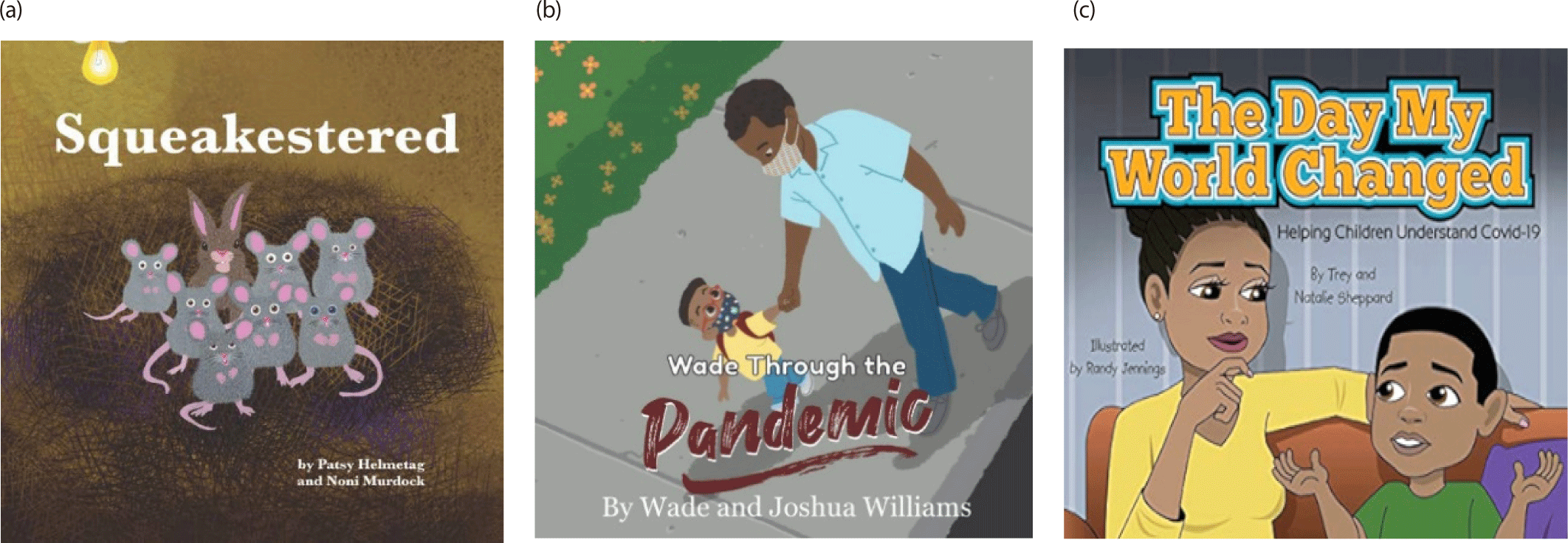
News coverage concentrated on the positive and therapeutic effects of art, showcasing how engaging in creative activities allowed some children to process their own emotions and grow as people. For example, a 12-year-old boy who was one of multiple children who helped write for a neighborhood newsletter that launched during the pandemic, said that he enjoyed producing the text “because it also kind of helps us. It’s kind of like a bit of extra learning. So we get to work and learn at the same time” [80]. Young people also made it clear how powerful art can be as a medium for expressing feelings. For example, in a painting produced by a 17-year-old boy, he attempted to capture the effects of isolation and the need for connection during the pandemic (Fig. 2).

Although children endured serious personal challenges during the pandemic [66], they still worked to provide support to adults and their peers. In Los Angeles, for example, teenage volunteers for a non-profit that encourages teens in crisis to confide in other teens via talk and text, trained new volunteers to provide social and emotional support. In Atlanta, Georgia, a teen boy and teen girl founded an organization to bring attention to student mental health issues, provide training for peer liaisons tasked with creating student-directed programming around mental health, and serve as conduits to connect students in need with school counselors. The pair reflected on their motivation: “In 2020, mental health-related doctor’s visits for adolescents ages 13-18 increased sharply. Teenagers… were most frequently diagnosed with depression, anxiety, and adjustment disorder. There has never been a time more important to address these issues. We need to take action now, in order to be proactive instead of reactive when tragedy strikes” [82]. This illustrates the young people’s realization, through their own lived experience, that it is important to mitigate the worst effects of disaster.
In addition to offering mental health support, young people also sought to provide other forms of connection, assistance, and advocacy to children and causes they cared about. One teen girl created an organization that paired neurotypical student volunteers with children with disabilities for games and conversation over virtual platforms. She was inspired to act after watching her brother, who has autism, struggle socially in school. Newspaper coverage also focused on how young people used social media and other public platforms to discuss issues that matter to them, such as protecting voting rights, advancing racial justice, and reducing health disparities. One of the leaders of a program that helps youth identify what they are passionate about and to channel their energies toward social justice, said: “We’re often told when we’re young that our experiences, the years we’ve lived, don’t matter. But they do matter and can influence how we show up in making a change in society. Amid uncertain times, young people can show up in ways that others can’t” [83]. In the pandemic, some young people began to recognize their own capacities and articulate how they could make important contributions to society.
Youth also provided comfort and encouragement to adults in their communities. A teen girl in South Carolina developed a partnership between high school students and local senior centers where the teens exchanged calls and letters with the older adults. She reflected on her first encounters with older adults through the program: “At first I felt nervous we wouldn’t have anything to talk about. What started out as five-minute phone calls turned into 35-to-40-minute conversations… The person I talk with says my calls make his day. It’s meant a lot to me over the past year” [84]. Other news articles reported that children made cards and wrote letters to connect with others and offer encouragement. For example, a group of siblings and their cousins sent handmade cards with pictures and wrote well wishes to older adults who were quarantined in assisted living facilities. One letter, in part, read: “Now I heard you aren’t allowed to have visitors anymore. That makes me a little frustrated. That is because I think your friends and family should be allowed to come see you so you can have company. So to cheer you up, I decided to write this to make you happy. Another thing that could make you happy is reading! I hope this makes your day” [85]. The letter was accompanied by a rainbow, flower, sun, and the words “be happy” drawn by the child. Another instance of children helping adults is a Nevada Girl Scout troop that engaged in a handwritten thank you card campaign; the girls delivered cards and 1,200 boxes of Girl Scout cookies to health care workers at local hospitals. Actions such as these may increase children’s recognition that adults can be assisted by children, which could encourage them to forge connections to others and visualize an expanded social role for themselves in future disasters.
Children provided other vital services to support their communities. In one notable case in a small town in New York, young people became first responders after older volunteers stepped down from the local ambulance service because of COVID-related health concerns. To meet local needs during the crisis, the community lowered the age at which young adults and teens could become members of the Emergency Medical Services crew. As one of the teens observed: “We came in one day and we realized we were the only ones coming in” [86]. These young people filled a staffing void at a critical time, and the teens were even excused from their high school classes so they could participate in emergency response activities. In some instances, such as this one, children’s age was an advantage that allowed them to meet the emerging needs of their community with the support of local government and their educational institution. This role expansion, however, also points to the increasing demands that may be placed on young people in the future, as disasters grow more widespread and intense.
Indeed, several articles spotlighted the extra work that children were taking on in their own and others’ homes, ranging from helping siblings with homework to assuming additional cleaning, cooking, and caregiving responsibilities. One story described the efforts of a 14-year-old girl who began providing childcare for three families in her neighborhood after witnessing the strain that working parents were experiencing. Another child put on a “mini prom” for his babysitter to help celebrate the milestones that were missed due to the pandemic. Bilingual children—who often serve as cultural brokers and language translators for their families—provided critical interpretation services for their parents and grandparents, helping keep them informed on COVID-related news and safety guidance. These acts of altruism show how the children engaged in hyper-local forms of social support as they worked to help those in closest proximity.
Children responded to school closures and the challenges that emerged from remote learning environments with ingenuity. In one case, high school students in the early days of the pandemic created their own tutoring services. The teen tutors were concerned with addressing educational disparities worsened by the pandemic, so they offered free, online, one-hour tutoring sessions to hundreds of K-8 students. Other news articles featured students who had started volunteer efforts prior to the pandemic and then found ways to modify and continue during COVID-19. Before the pandemic, a boy began a nonprofit to provide in-person tutoring sessions to students ages 5 to 13 from a mix of refugee and immigrant families who were learning English. When the pandemic began, he moved the services to an online format. In the same vein, prior to the pandemic, two teens in California had been providing bilingual education services to older adults living in low-income housing. With the onset of COVID-19, they co-founded an organization designed to connect nonprofits with eager, bilingual high school volunteers. During the pandemic, they rapidly expanded their volunteer base to include nearly 200 bilingual teens who offered reading and English language education classes to non-English-proficient children and youth [87].
Young people also created various services and resources that were meant to reduce social isolation, stave off boredom, and keep negative habits from forming. One 14-year-old boy who decided to produce academic materials for young children explained his desire to help: “I wanted to create books and journals that will keep kids learning and engaged by creating educational content accompanied by activities” [88]. A 7-year-old boy used his YouTube channel to teach math but also to try to keep young people from playing video games rather than paying attention in school. As schools began to close due to the virus, he contemplated the potential behavior of his fellow students, “I knew half the time, they are just going to sit on their video games all the time like my brother does. So I thought, to prevent that from happening, let’s also teach them some math” [89]. Because they were children themselves, they had first-hand knowledge of what children would do and would need when their schools rapidly transitioned to an online format.
Some of the news coverage focused on initiatives to educate people about broader health and social issues. In one case, children who sought to forge stronger multigenerational connections offered educational services to older adults to help teach them how to use new forms of technology. In another case, a group of high school and college students in Florida joined together to create a website where they used interactive storytelling to explain the virus and safety precautions to elementary school children. They were motivated to help because they knew how hard things had been for themselves in the pandemic and felt that it would be even harder for younger children [90]. To keep children occupied during the pandemic, a Baltimore family—including three children and their parents—created a virtual storytelling series to celebrate Black history and culture. In speaking to the value and importance of their racial justice-focused educational initiative, one of the children expressed, “If you are telling a child Black stories or stories about their history that are portraying their history in a beautiful light, they take the beautiful history that they have and they carry it with them for the rest of their life” [91].
As the novel coronavirus spread across the United States, the response to the disease quickly became politicized and the public became increasingly polarized. Taking recommended actions to protect the public—such as washing hands, wearing a mask, and, eventually, getting vaccinated—became contentious topics. A handful of news stories addressed how children got involved in advancing public health campaigns during this fraught time. In one of the new stories, a 10-year-old was identified as the youngest person to speak out on behalf of mask mandates at her local school board meeting. After watching other pro-mask speakers get heckled and booed, the girl stood and stated, “It is super weird to be here because adults don’t think that their children should wear masks… You guys should be able to know that masks save lives” [92]. This child’s action shows that children can and do participate in civic affairs, but it can be difficult for them to have a voice in community decision making. This child went to great lengths to try to be heard to promote protective actions and to help others.
The children who participated in vaccine trials as well as those who were “early adopters” of the vaccine within their age group described many different motivations for their behaviors. Some said they were looking forward to being able to “hang out with friends and family safely without a mask” [93]. Others noted that they wanted to show gratitude and say “thank you to the frontline workers who are keeping us healthy,” and that they wanted to help “science to beat the pandemic” [94]. Two young brothers who participated in a vaccine trial noted that they were “excited that we’re doing something for history, something that’s going to be important,” and hoped that they could “set an example for everybody” to get the vaccine [95]. Once again, this is a particular helping behavior that is related to age. The COVID-19 vaccines for children were developed and made available later than those for adults [96], and thus many children were at risk to the virus for longer periods than adults who were vaccinated. One girl, for example, had been “counting down” until she could get her vaccine and felt like it was Christmas when it was finally her turn [97]. These children understood that being an early adopter or in a vaccine trial had benefits to other children and adults in the pandemic.
A limited number of news articles described research projects that young people designed and led or took part in during the pandemic. The findings from the research were often used, in turn, to help inform social interventions geared toward ameliorating inequalities or improving health outcomes. The news articles described novel research studies that teens launched through their high schools or in their communities. These projects focused on the impacts of the pandemic on different population groups. For example, two teens in Massachusetts designed a project which engaged other young people in the process of collecting oral histories from older adults in the community. Another research project led by teens helped identify communities of color experiencing technological disparities; the findings were used by the Boston Housing Authority to help increase internet connectivity in underserved areas [84].
Nearly 100 students participated in an American-Iraqi virtual international exchange program and public health initiative intended to address COVID-19, wherein they conducted research into how the virus has affected global health through an intercultural lens. One student highlighted the value of the program, stating, “The Iraqi students are thinking about the same exact things as we are [in the United States] but putting a different perspective, spin, on it, which is why I think this capstone project has been especially helpful for me, to be able to start looking at those interesting new perspectives which I see across borders, across states” [98]. The children and youth in these articles seized opportunities to conduct and participate in research projects during the pandemic. In the process, they were collaborating, learning important social and cultural lessons, and helping others in substantive ways.
Discussion
“I thought, ‘how can I help?’ Other people are doing their part and it’s time to do mine.”
- 13-year-old boy, Baton Rouge, Louisiana [88]
The first research question we sought to answer in this study concerned what children did to help others during the COVID-19 pandemic. Our analyses revealed that children went to great lengths to provide material resources to others through: making, collecting, or distributing supplies; raising and donating money; and cooking or distributing food. We also discovered that children mobilized to advance people’s well-being by: creating art; offering social and emotional support; providing tutoring or developing other educational services; participating in public health campaigns or vaccination efforts; and conducting or taking part in research.
Our findings build on prior research that has shown that children often seek to give money, provide emotional support, and collect material goods for distribution after natural hazard events [38,38,40]. Our study also identified distinct helping behaviors that emerged in response to the global COVID-19 pandemic, such as providing tutoring and educational services following the transition to remote learning, creating PPE and sewing masks, and participating in public health campaigns and vaccine trials.
Our second research question asked who the children helped in the pandemic. Our analyses showed that children and youth helped many different people and groups during the pandemic. Their efforts were directed at helping their family members, friends, classmates and teachers, neighbors, and others in their immediate social orbit. They also endeavored to help those people they perceived as most at risk to being exposed to the disease, including frontline workers and healthcare providers. Further, children recognized that social inequalities rendered many populations more at risk to illness and death, job loss, educational disruption, and other forms of disadvantage. In response, they acted on behalf of non-English-speaking populations, children and families without access to the internet or educational services, people experiencing food insecurity, and people who were unhoused. They were also especially attentive to the physical and emotional needs of older adults, people who were living in poverty, or those who were members of historically marginalized racial or ethnic groups.
Our third research question focused on why the children were motivated to act. Here, our analyses demonstrated that while children often engaged in the same pattern of altruistic behavior, they did so for many different reasons. For example, some children were spurred into action because they had a personal connection that led them to directly witness the pandemic’s effects, such as being separated from a grandparent due to lockdowns or knowing a neighbor who had lost access to childcare. In other cases, they were drawn into a project that helped others because of their peers or teachers. Still in other instances, it was abstract empathy for a particularly at-risk group or deepened knowledge of inequality that inspired children’s efforts. Indeed, some news coverage underscored children’s recognition that the COVID-19 disaster required a targeted and socially just response because of the unequal impacts on different population groups. These findings highlight that children can help in a disaster. They also demonstrate that it is also important to acknowledge the varying motivations that explain why they want to help. This understanding is a key that could unlock greater participation of children and youth across the disaster cycle.
We found that children who were featured in the news stories were well aware of the unique strengths associated with their young age, such as their savviness with social media and ability to use technology like 3-D printers [99]. They also understood how to put these strengths to work on behalf of others. Children’s creativity in the face of catastrophe and their altruistic actions were especially noteworthy given that that many traditional avenues to help were cut off because of the virus and the curfews and closures that followed [99].
Children’s peer-to-peer connections and their ability to mobilize others became especially salient in the pandemic. Children are “interdependent, embedded, and contextually located” and their agency emerges from their “interactions with other humans, their environments, and other non-human forces such as technology, arts, nature, and animals” [62]. This suggests that it is important to see children’s agency on a continuum. Further, it is vital to understand how their agency is negotiated in different contexts and varies by who they are with and what resources they have [100]. Possibly due to the length limitations for news articles, only a select number of articles placed children in broader sociological context and carefully considered how their relationships to others influenced their knowledge and behaviors. While the altruistic acts of individual children were typically highlighted in news stories, it was also true that many of these young people were involved in highly coordinated, collective efforts through organizations they founded, initiatives they led to recruit tutors and volunteers, and collective acts intended to encourage or provide support to peers and adults. Such individual-focused coverage, while common in journalism, obscures the breath of children’s capacity to contribute to disaster relief, forge connections, and initiate systemic change to address the structural conditions that produce disaster risk and lead to uneven disaster impacts.
Similarly, while we noted that children of different genders, ages, racial and ethnic backgrounds, and geographic locations were featured in the news stories, how their social locations influenced what they did and why they did it was rarely discussed, save for a few notable exceptions. This, again, represents an area ripe for future intersectional, sociological research and sociologically-informed reporting on the strengths that diverse children bring as they help in a disaster.
We found that as they worked to help others, children aided in their own recovery. Young people were profoundly impacted by the pandemic as they lost valuable school time and experienced loneliness, boredom, and isolation [68,99,101]. As in other disasters, those whose lives have been disrupted often express a tremendous need to act to regain some control and sense of normalcy for themselves [19].
As they helped themselves process the disaster, children also helped many others. Indeed, the short-term impact of children’s actions was considerable. News coverage documented that individual children and groups of young people raised tens of thousands of dollars for hospitals or charitable causes, sewed and printed many hundreds of masks, and mobilized dozens of bilingual volunteers. Because much of the news coverage was published during the first year of the pandemic, however, the longer-term impacts of children’s prosocial actions—both in terms of their influence on the children themselves and the people, institutions, and communities they sought to help—were not always clear. Other research has revealed that post-disaster volunteerism has lasting and profound impacts on adults [20], so this may also be true for children and youth. It would be worthwhile to study these effects in the future and to see whether the cohort of children who helped others during the pandemic are more prone to enhancing their disaster literacy over time.
Recent research on disaster literacy levels has, perhaps rightly, lamented people’s low rates of knowledge and action across the disaster cycle. For example, a study from Turkey found that more than 50% of the population has “insufficient or mediocre levels of disaster literacy” [9]. The same study observed that research conducted in China, Indonesia, Nigeria, and the Netherlands has revealed similarly low disaster literacy scores. As Park convincingly argues, however, these and other attempts to assess population-level disaster literacy or learning outcomes rarely pay attention to “how hazard and disaster literacy might also include critical engagement with the political and historical conditions that shape risk exposure and disaster response” [10]. Park asserts that long-term engagement, iterative reflection, and an ongoing emphasis on power dynamics and inequality are necessary to advance a more holistic and liberatory vision of disaster literacy [10]. We strongly agree with this assessment and, drawing on the findings from our study, view disaster experience as a potentially transformative catalyst for such enhanced disaster literacy.
Disaster literacy, as traditionally defined, requires knowledge and evidence-informed action that spans the disaster lifecycle [3]. Liberatory disaster literacy requires knowledge, recognition that systemic injustices amplify risk for the most marginalized populations, and collective action to change oppressive social and economic systems that unevenly distribute disaster losses [10].
In the case of the global COVID-19 pandemic, children were affected as the disease rapidly spread across the United States in early 2020. Children’s knowledge of this disaster emerged, at least initially, through their lived experience of closures, social distancing, masking mandates, and other impacts in their homes, schools, and communities. Our research revealed that children understood the myriad threats associated with the pandemic and exhibited a strong inclination to act altruistically on behalf of others. Their actions were motivated in part by their recognition of the deeply unequal effects of the pandemic, thus suggesting the potential for an enhanced form of liberatory disaster literacy that is attentive to structural social and economic inequalities.
Conclusion
Although the body of research literature on children and the COVID-19 pandemic continues to grow, children’s actions and the impacts of those actions remain underreported and understudied and, therefore, children’s strengths continue to be overlooked. As our analysis of news coverage suggests, however, it can be useful to shift the prevailing view of children as objects to subjects, and to acknowledge the importance of disaster experiences and how those are associated with expanded knowledge, altruistic behaviors, and overall levels of disaster literacy. Yet, as Abebe [102] argues, while children’s contributions to their families and communities are “palpable,” their agency should not be romanticized. It is important to recognize “the spatial, political, and material factors that shape the lives of children, the ‘choices’ they may confront, and the types of futures they might expect, experience, negotiate, and navigate” [100]. To best understand their diverse and complicated experiences, children need to be centered in research, with methodological approaches constructed carefully and ethically [103–105]. Further, more empirical research is needed to understand how children who desire to help may be better integrated into both formal emergency management systems and informal community-led activities across the disaster lifecycle. This work is necessary because many children have time, creative ideas, and the altruistic impulse to help families, government agencies, schools, and communities [47]. As Anderson [31] observed, children and youth are not just passive in a disaster, but rather are active in creating culture, using technology to communicate risk to others, and participating in disaster response and recovery. Providing opportunities for children to get involved after they have experienced a disaster can influence their disaster literacy by increasing their knowledge and interconnection to others.
While this research highlights children’s altruism in the pandemic, it also shows how young people, like adults, are pulled in to assist with response and recovery through acts of charity as the broader social safety net meant to protect the public during times of crisis continues to fray [13]. Media reports tend to valorize individual stories of action, self-sufficiency, and the notion of “taking matters into one’s own hands.” Often missing from these stories, however, is a recognition of the failings of the increasingly privatized state to provide marginalized people and communities with adequate care, resources, and support. As we found, children’s situational altruism [17] in response to the pandemic was in part a response to gaping holes in the U.S. educational system and social safety net, such as when teens provided tutoring to redress school-based inequalities or volunteered for their local emergency services due to staffing shortfalls. Children, more often than not, directed their time and resources toward these under-resourced institutions as well as socially and economically marginalized groups with a history of social exclusion. These realities, along with the measurable impact of the actions they took, clearly indicate the agency and distinct capacity of children to recognize social disparities and to work to make a difference in people’s lives. This is a form of heretofore unrecognized liberatory disaster literacy worth celebrating and cultivating.


